Crops, Youth

Youth Crop Scouting Competition

My extension focus has been engaging youth in plant sciences, especially agronomy. Last year I had the opportunity to attend the Iowa Youth Crop Scouting Competition where ISU Extension faculty worked with 4-H and FFA youth to not only compete in an agronomic principles contest, but most importantly learn about various pests which affect corn and soybeans in addition to other abiotic and biotic factors. It is my pleasure to bring this program to Nebraska with 2014 as the pilot year. Details for this new program are provided below.BRC13 094
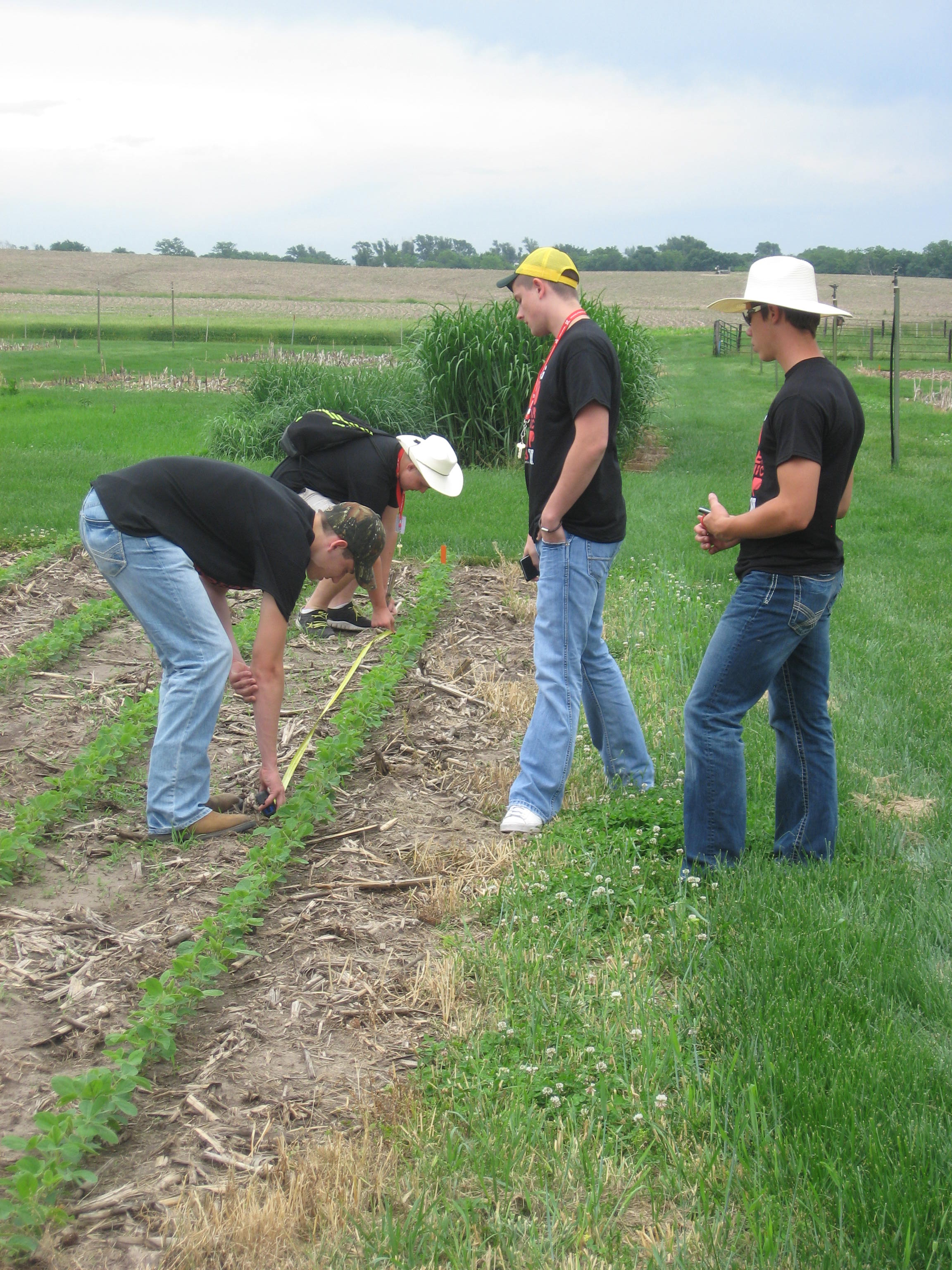
The University Of Nebraska – Lincoln Extension is pleased to present the first annual Crop Scouting Competition for Nebraska youth. It will be held in at the ARDC near Mead, Nebraska on August 6, 2014. The event will include both indoor and outdoor events. Teams of junior high and high school students (those completing 7-12th grades) from across Nebraska are invited to participate.

The purpose of the competition is to provide students an opportunity to learn crop scouting and principles of integrated pest management (IPM) for corn and soybeans in Nebraska, to obtain knowledge and skills that will be helpful in future careers and to demonstrate newer crop scouting technologies.

Schools, clubs or other organizations may enter a team composed of three or four participants. An adult team leader must accompany each team of students. Team leaders could be FFA advisors, crop consultants, extension staff, coop employees, etc.

Top-scoring teams win prizes: $500 for first, $300 for second, $250 for third and $100 for fourth place.

Teams will be expected to know the basics of scouting corn and soybean fields. This includes crop staging; looking for patterns of crop injury; disease, insect and weed seedling identification; etc. Other topics many include but are not limited to, pesticide safety, nutrient disorders, and herbicide injury.

More information about the crop scouting competition and instructions on how to register a team are available online at cropwatch.unl.edu/youth. Click on the link that says, “Crop Scouting Competition”.

Teams must be registered by July 15. Registration is $50/team; the fee will be refunded when the team attends the competition. Payment by check is due along with the registration form by July 15. This program is sponsored by DuPont Pioneer and UNL Extension.
Horticulture

Tree Recovery from Storms

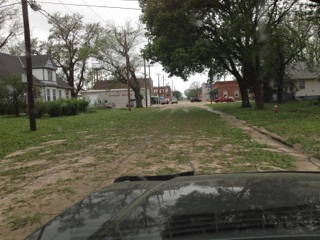
Between the May 11 and June 3 storms, we’ve sure seen our fair share of severe weather already this year. The streets of Exeter were completely covered with leaves and branches with the aftermath of the June 3 storms. Trees that were pushed over at an angle should be cut down, as a portion of the roots on the windward side of the tree are know broken and a mature tree rarely survives and can be a hazard. Young trees planted less than four years ago may survive if they are gently pulled back into a vertical position and staked. Special care should be given to very gently press out any air spaces that may have form in the loosened soil and water the root system twice each week if dry through November.

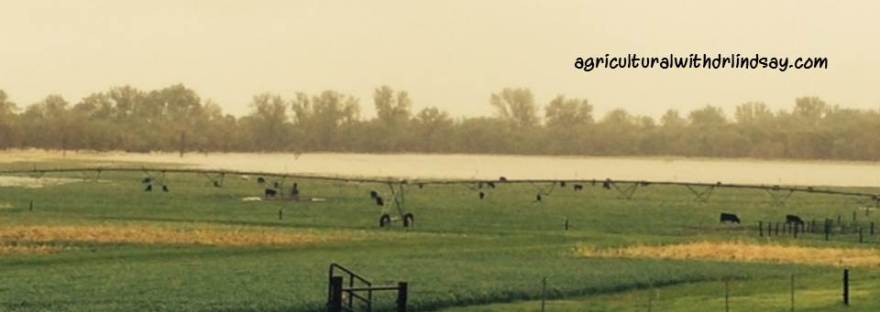
This photo doesn't even do justice to the amount of damage to some areas from a recent storm. Some streets were covered with leaves and completely green. Time will tell how the trees will fare.
This photo doesn’t even do justice to the amount of damage to some areas from a recent storm. Some streets were covered with leaves and completely green. Time will tell how the trees will fare.

Most of the damage observed was broken or twisted branches. UNL extension horticulturalists remind homeowners that safety should be considered first and a certified arborist should be contacted to remove large branches or to work in tall trees. All loose or hanging branches should be removed as soon as possible. Branches that are cracked, split or twisted should be removed next. Branch stubs left by storm damage should be give a clean cut, using good technique so that stubs are eliminated but only branch wood is removed. This results in a smaller wound, allows the tree to seal the wound more effectively and minimizes the chance of entry by wood decay fungi into the trunk.

Trees split down the middle are very difficult to brace adequately, and should be removed by a professional arborist. Major damage includes the stripping of 50% or more of plant foliage, pocks or tears in tree bark with damage to the underlying xylem and phloem tissues, shearing of evergreen buds from branch terminals, death of evergreen buds due to impact damage, and broken tree or shrub branches.

In most cases, homeowners should take a “wait and see” attitude. Trees and shrubs should be kept well watered throughout summer and fall to avoid drought stress. Winter watering during warm periods when soil is not frozen is also recommended if winter conditions are dry. Keep plants well mulched to prevent secondary injury from mowers and string trimmers.

Secondary pests, such as borers and aphids, should be controlled to avoid additional stresses. Sphaeropsis tip blight can be a serious problem in Austian and Pondersosa pine trees the year following serious hail injury. Fungicide applications should be planned for next spring to keep infection to a minimum. Do not fertilize trees and shrubs to “help them recover.” Fertilizer is detrimental at this point. Never apply a wound dressing, pruning paint or “wrap” to any wounds, including hail wounds as this can interfere with the trees own response to closing the wound. Wait to begin pruning until after new growth begins, then prune away any dead or broken branches.

If you are interested in learning more about potential tree pests that might harm your tree, plan to attend UNL Extension’s “Tree Pest & Emerald Ash Borer Update” on June 24th at Heritage Crossings in Geneva. This FREE program will start at 6:00 p.m. Please RSVP to the Extension Office at 402-759-3712 by June 23rd for planning purposes. Elizabeth Killinger, Extension Educator will be the presenter and discuss tree pests and provide an emerald ash borer update.

(Source: UNL’s Backyard Farmer website at on Hail Damaged Plants)

Programming, Youth

Keeping Youth Safe in Rural Communities

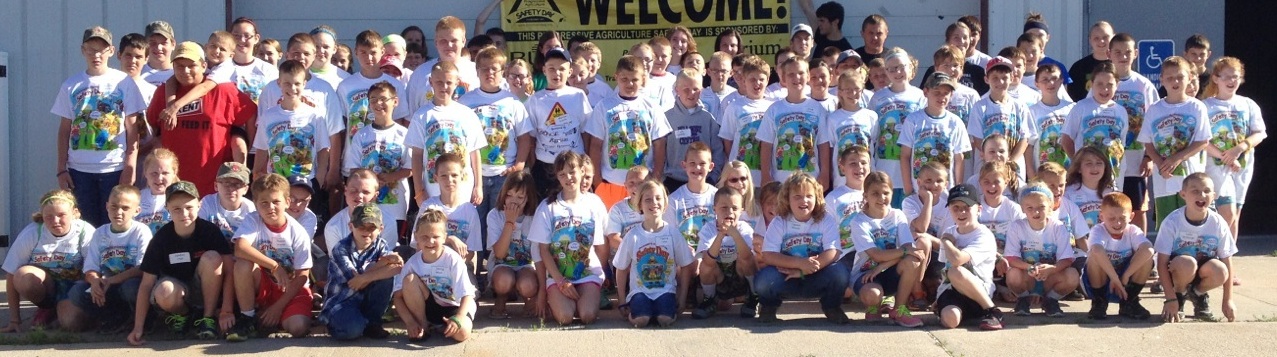
Each year Nebraska’s farmers and ranchers come close to an accident – in the field, in livestock pens, in grain piles. Youth in rural areas are not excluded from this. To help teach youth safe on farms and rural communities, a Progressive Agriculture Safety Day was held in Geneva on May 29th, 2014 for area 2-6th grade youth. The program was coordinated by the local WIFE (Women Involved in Farm Economics ), Fillmore Central and Shickley FFA Chapters, the University of Nebraska-Lincoln Extension in Fillmore County, with several other local businesses and organizations provided funding.

Eight-two youth participated in this year's program.
Eight-two youth participated in this year’s program.

Nearly three hundred volunteer hours were spent preparing for this event! Topics taught included animal safety, weather safety, citizen safety, food safety, electrical safety, ATV safety, mower safety, roll over demonstration, water safety and tractor safety. Nearly 50 older youth and adults volunteered their time to make the event happen. Presenters were from the NE State Patrol, UNL Extension, Fillmore Central FFA, Shickley FFA, Plains Power, Nick’s Farm Store, National Weather Service, Fillmore Co. Emergency Management, Geneva Activity & Education Dept., Farm Safety For Just Kids and Extension’s Master Naturalist program. A special thanks goes to the Fillmore County Ag Society for use of excellent facilities.

One session taught youth that their reaction time isn’t quick enough to save them if they had to make a split decision in addition to other tractor safety tips.

In addition to these hands-on sessions, youth received a headgear flashlight to take home and a “goodie bag” with educational safety materials reminding them and their parents what was learned. Progressive Agriculture Safety Day was conducted through the Progressive Agriculture Foundation, so each participant and volunteer received a t-shirt from Progressive Agriculture sponsors. Special thanks to sponsors for making this event happen at low cost to the youth!

At the conclusion of the day, youth expressed that they had a great time and learned safety tips that may someday save their or someone else’s life.

Crops

Hail Damaged Crops

Last Tuesday proved to be a challenging night for many people across the state, with no exception to many in Fillmore County. Damaging winds and hail went across the county with most of the damage occurring in the northeast portion of Fillmore County. Windows and siding knocked out of houses in Exeter and structural damage on farmsteads will no doubt keep insurance companies busy. In addition to that, crops in that portion were severely damaged to completely gone. My heart goes out to those affected by the storm and best wishes for a speedy recovery.IMG_1999

The University of Nebraska-Lincoln Extension has two publications that detail how to evaluate from soybean or corn damaged by hail, therefore I decided to paraphrase some of it in this week’s column. First we’ll discuss corn. Hail affects corn yields in three ways: plant stand reduction, direct damage, and leaf defoliation. Any of this damage will reduce the plant’s ability to compete with weeds, but the greatest losses are caused by defoliation. First, one must know the corn growth stage to accurately estimate the amount of defoliation. Until the V6 growth stage, losses from leaf defoliation are usually minor with most loss occurring from stand reduction. At the V6 growth stage, the growing point breaks the soil surface.

If hail damage occurred, determine the yield loss due to stand reduction. Since it is difficult to distinguish living from dead tissue immediately after a storm, assessment should be delayed 7-10 days. Then take a stand count based on row spacing, etc. to see what stands you have. One must also determine the amount of leaf area removed. To do this, establish the stage of plant growth at time of the storm, estimate percent leaf defoliation, then use appropriate tables as found in Evaluating Hail Damage to Corn to predict yield reduction from defoliation.  (Information is available in the NebGuide how to do all of this) Some management that should be addressed includes additional weed management with lack of crop canopy and close observation for future disease potential.

Hail-damaged soybeans must be assessed by stand reduction, leaf defoliation, similar to corn, but also stem damage and pod damage. Again early damage and stand losses will cause the biggest losses from weeds. Again, take a stand count 7 to 10 days after the storm to determine yield loss due to stand reduction; then use a chart to determine percent yield loss. Research has shown that leaf loss during vegetative states has little effect on yield. Defoliation loss is measured only in the reproductive stages. Stem damage is further divided into stem cutoff and stems bent or broken over. To determine the amount of stem damage, count the number of nodes above the cotyledonary node present at the date of loss. Estimate number of nodes that have been cut off from the number of those on a broken portion of a stem. Plants that are bruised but still standing do not count. To determine this loss, a table is given.

A worksheet found in Evaluating Hail Damage to Soybeans can be used to walk through these procedures. As always, work with your crop insurance agent and weigh the pros and cons of replanting later in the season. More information can be found at UNL’s CropWatch website.

Uncategorized

Preparing animals for bad weather

lindsaychichester's avatarAgricultural with Dr. Lindsay

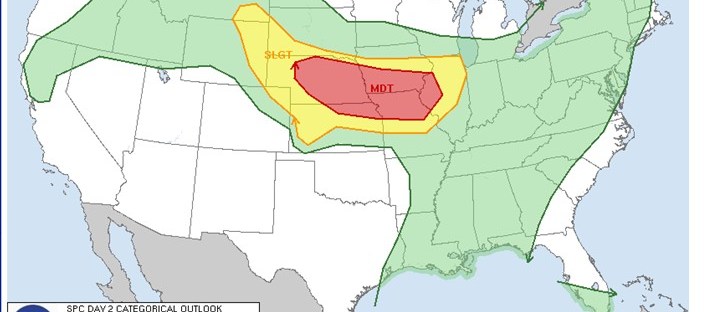
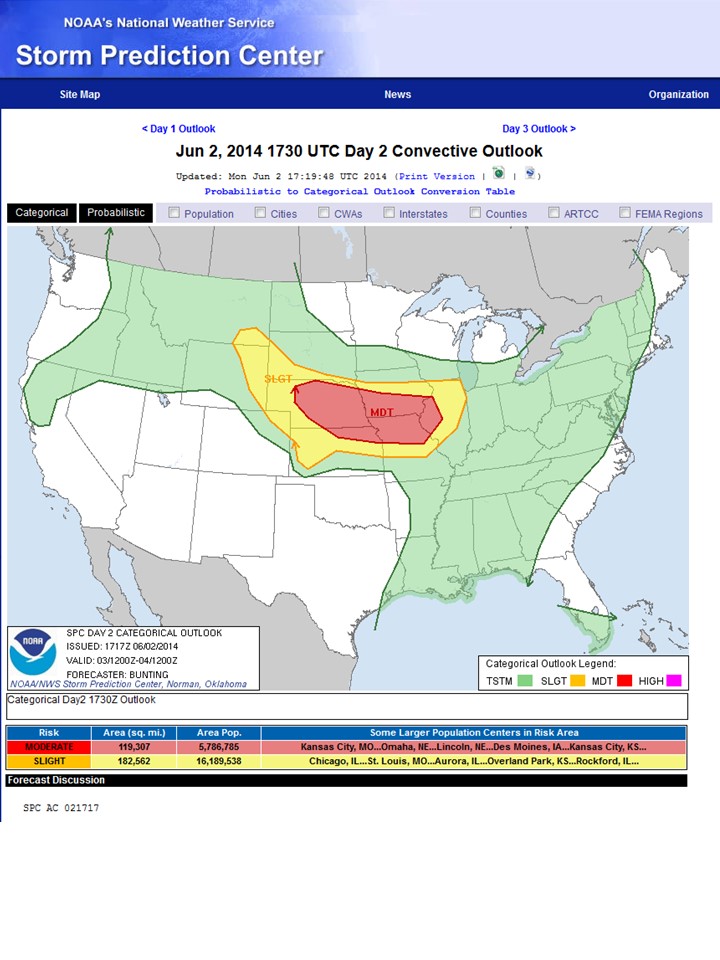
Several states in the Midwest are getting ready to experience some crazy weather today.

I am a transplant to tornado country, and I don’t think I will ever get used to the danger associated with it. I can count on just a few fingers the number of times meteorologists have provided weather warnings days before the storm, and this is one of those cases.

weather map The potential storm area.

While we can’t always prepare for natural disasters, there are times, like today, where we have a glimpse of what to expect. I want to visit with you on how to care for animals in severe weather.

Companion animals – 

– Often loud noises can scare our companion animals, and they may be more difficult to find in a time crunch if they are hiding under a bed, in a closet, or some other small space. Our companion animals can pick up…

View original post 708 more words

Horticulture

Lawn Care Weed Control

As lawns continue to grow, Kelly Feehan, UNL Extension Educator in Platte County reminds us that dandelions and other broadleaf weeds may be growing in lawns now, but homeowner applications of herbicides for these weeds should be avoided. The risk to non-target plants like trees, shrubs, flowers and vegetables is simply too great. At temperatures higher than 80°F, many herbicides volatize and change into a gas. The herbicide then rises or moves on air currents and damages non-target plants. At this time of year, it is best to hand-dig weeds before they go to seed and avoid herbicide applications during summer. When temperatures moderate in early September into October, this is the ideal time to apply herbicides for broadleaf weeds like dandelion, clover, ground ivy and violets. This is the most effective time for treatment because more of the herbicide is translocated into roots at this time of the season for a higher percentage of weed kill.

Kelly’s recent news article also provided answers to questions I sometimes receive so I decided to share some of the home remedies people often ask about. Sometimes people think the household products are safer and more effective than using products that have been tested, labeled and sold for such uses. Some examples are applying bleach to control diseases in lawns, watering Epsom salts into the soil around tomatoes and peppers and using Borax to kill ground ivy in lawns.

Do not apply bleach to lawns to control disease. The bleach can damage the turfgrass. If the product is a brand that has an EPA pesticide registration number, such as Chlorox; then it is against pesticide laws to use the product since it is not labeled for use on lawns.

As for Epsom salts, this product contains magnesium, which is an important nutrient for fruits and vegetables. However, most soils have plenty of magnesium and the addition of more is not needed. Increasing and maintaining soil organic matter is more beneficial.

Research has shown that Borax can control ground ivy. Borax contains boron that can be toxic to plants. Ground ivy is more sensitive to boron than grass and small amounts can kill ground ivy. However, it can cause the grass to turn brown and if over applied, create soil issues that can prevent anything, even grass, from growing in the area for years. If this option is used to control ground ivy, the lawn should only be treated with borax once each spring for two years. Use this formula. Dissolve eight ounces of a product like Twenty Mule Team Borax into four ounces of warm water, and then dilute it in 2 1/2 gallons of water. Spray this amount evenly over 1,000 square feet of lawn, no more, no less.

For more answers to your lawn care questions, I would encourage you to check out UNL’s turf website.

Crops

Wheat Field Day

Growers can learn about the latest wheat varieties and view many of them in the field at a June 12 wheat tour near Wilber. The event, sponsored by UNL Extension, will begin at 6:30 p.m. in a wheat variety plot hosted by Dennis Broz. Stephen Baenziger, UNL professor and wheat breeder, will discuss wheat variety options for southeast Nebraska and characteristics of wheat cultivars in the plot. There are 28 wheat varieties and experimentals in the plot, according to Teshome Regassa, UNL research assistant professor.

Guest speaker Ray Ward, soil scientist and owner of Ward Laboratories, Kearney, will provide the latest nutrient management information for wheat and a fresh soil pit will be dug on-site to better demonstrate soil health and soil carbon impacts of wheat in rotation with no-till farming. Stephen Wegulo, UNL extension plant pathologist, will discuss the spread of wheat diseases in southern Nebraska and the yield effects of foliar diseases of wheat and fungicide application strategies.

UNL Extension Educator Randy Pryor said many participants discover new knowledge and ideas and meet other farmers striving for high yielding wheat as part of a crop rotation scheme. Several area agribusinesses are sponsoring refreshments, including kolaches at the field site. For the directions and more information, call the Saline County Extension Office at (402) 821-2151.

Irrigation

Irrigation Reminders

Hopefully producers won’t have to irrigate too much this year, but I’d like you to consider joining a program that can not only improve your irrigation efficiency, but reduce nutrient loss and save you money!  I’ve been in Extension for nearly nine years and a program I’ve been involved with that has been a very rewarding program and made a positive impact for many is the Nebraska Agricultural Water Management Network, or NAWMN.

Those wishing to participate in the program receive assistance installing equipment and education on how to read the equipment.

A couple of the tools we use are ETgages® or Atmometers which mimic crop evapotranspiration or ET and Watermark soil matrix sensors which measure soil matric potential or the energy required to remove water from the soil. These two tools have really worked well and have made irrigation management much easier than those gut feelings.  The more information you have the better decisions you can make!

If you would like to participate in this dynamic program, let me know and I’d be happy to help and get you started! If you are in the NAWMN, install your ETgage soon and start the soaking/drying cycle on your Watermark sensors to be sure they work! As crops have emerged or about to emerge, its important to install your Watermark Sensors soon.

It’s also important to replace the #54 alfalfa canvas covers and wafers on a regular basis at the start of each season. For more information, go to the NAWMN website.   

Crops

Assessing Need for Replanting Corn

I have received a couple of questions on how to take stand counts and with the storm damage and recent weather conditions decided to highlight some information from UNL’s CropWatch website on Time to Dig In and Assess Need for Replanting Corn written by Roger Elmore, Extension Cropping Systems Agronomist and others. First, let’s review how to take stand counts. In short, after you know your row width (inches), there are given numbers that correspond to row width you will need to measure and count the plants in a row and multiply that by 1000 to calculate plants/acre. For example, most corn in our area is planted into 30-inch rows. The row length in feet to equal 1/1000 of an acre is 17’5” so you would measure out 17’5” in a row, count the number of corn plants in that length and multiply is by 1000. This would tell you how many plants/acre you have in that row.  Do this several times in the field.

After you have your average plant populations, calculate the losses from planting to final stands. University research trials suggest 4-7% is typical, but final stands are within 1-4% of seeding rates for top managers. If your attrition losses are 10% or more, examine what happened. Elmore and others suggest considering the following: seed viability, insect such as cutworms, wireworms and white grubs, diseases, compaction and soil crusting and cold soils.  One should also scout for weed management issues. Scout weeds within two weeks of corn emergence to evaluate efficacy of burn down and pre-emergence herbicides. Early emerging weeds such as marestail should be controlled early on to avoid early-season competition.

After examining these factors, one must decide if replanting is necessary. For example, if plants have emerged but have variable heights or development, even though a yield reduction is possible, it’s not necessarily a reason to replant. Plant height differences may reflect lack of uniformity in emergence timing or other issue the plant faced. Replanting may however be necessary with reduced planting populations. The most important factor in deciding whether to replant is to calculate expected yield with the current stand versus what you could potentially have if you replanted. Finally, one must estimate the replanting costs of seed, fuel, additional pesticides and labor. Also, be sure to contact your crop insurance agent, Farm Service Agency and others with an interest in your crop.

The full CropWatch article provides more information and some useful tables to help you with your consideration of replanting.

(Source: cropwatch.unl.edu, article Time to Dig In and Assess Need for Replanting Corn by Elmore, Jackson-Ziems, Grassini, Jhala, & Wright) 

Uncategorized

Give some thought to preparing for a disaster

lindsaychichester's avatarAgricultural with Dr. Lindsay

The last 48 hours have certainly brought some interesting weather to Nebraska, and surrounding states. Parts of Colorado, Wyoming, and Western Nebraska had at least a foot of snow and blowing winds, there were reports of 15 tornadoes that touched down across Nebraska alone, and Eastern Nebraska had large amounts of rain in a relatively short amount of time (anywhere from two to five inches reported so far) with loss of power for many around the Omaha metro. While Mother Nature’s fury can leave behind a mess, take us by surprise, and can be devastating – you can be a little more prepared with advance planning. Read on to see what my sister, Kellie Chichester, University of Wyoming Extension Educator and I suggest.

Whether you have 1,000 head or 5 head of livestock, you should spend time thinking and preparing a disaster plan. A disaster plan is good for people…

View original post 734 more words