Horticulture

Christmas Trees

While I usually wait until after Thanksgiving to put up Christmas decorations or trees, we have a later Thanksgiving this year than normal. This doesn’t allow as much time for Christmas decorations to be displayed and I’ve noticed lots of decorations out. For these reasons, I am including an article written in 2023 by Nicole Stoner, Nebraska Extension Educator on Christmas trees.

According to the University of Illinois Extension, Christmas Trees came to the United States in 1747, when people in Pennsylvania decorated wooded pyramids with evergreen branches and candles. By 1850, decorating Christmas trees was a widely used tradition in America. The first Christmas tree farm was planted in 1901 by W.V. McGalliard, in response to the growing concern of overharvesting natural evergreen tree stands. Today, for every live Christmas tree that is harvested 1-3 seedlings are planted the following spring to replace those that were harvested and to account for early demise due to insect and disease issues. It is best to get a tree from a local grower to help with the local economy. Still, the top Christmas tree-producing states are Oregon, North Carolina, Michigan, Pennsylvania, Wisconsin, and Washington. This information comes from Sarah Browning, Lancaster County Extension Educator.

Tree Selection
The most common tree species used for Christmas trees include Balsam Fir, Douglas Fir, Fraser Fir, Noble Fir, Scotch Pine, Virginia Pine, and White Pine. If you have a lot of heavy ornaments, look for a Fraser Fir, Scotch pine, blue spruce, or Black Hills spruce because they have stiff branches that will hold ornaments better. Balsam Fir is the choice for those looking for a Christmas tree scent. White pines can be used for areas where you prefer softer needles.

When choosing your tree, assess the tree’s condition. Walk around the tree to look for holes in the branching. Slightly tug on the needles that are on the tree to ensure they are tightly attached to the tree and have some flexibility. If the needles fall off with limited tugging, they are not going to last long in your home. Also, give the tree a good shake, if green needles fall off or if it has a lighter green color that is not a fresh tree. Brown needles will naturally fall from the interior of the tree, but that doesn’t mean there is a problem with it.

Home Care
When you take your tree home, make a new cut on the stump of the tree to ensure a flat surface to sit on and to open pores at the base of the cut stump allowing water to flow through the tree. After cutting, be sure to place the tree into a bucket of water or stand with water immediately. If you do not plan to put your Christmas tree up in the home right away, place it in a cool, dark location, out of sunlight until you can put it in your home. Place the tree in a stand that holds at least 1 gallon of water and be sure to add water daily.

There are a lot of myths about adding things like sprite or aspirin to the water for your Christmas tree, however, research shows that just plain water works the best to ensure longevity for your tree. Just ensure that you maintain water in the tree stand at all times, once the tree runs out of water, those pores can start to clog again, and this will reduce the life of your tree in your home for the holidays.

Upcoming Events:
December 3, 2024, registration at 12:30, program at 1pm – Farmers & Ranchers College will feature Dr. David Kohl with “Economic Realities in the Agricultural Industry: The Pulse.”   At the Opera House in Bruning, NE.,
January 21, 2025, Cow/Calf College at U.S. Meat Animal Research Center near Clay Center
For questions or to register, call Fillmore Co. Extension at (402) 759-3712 or online at go.unl.edu/frcollege.

Horticulture, Uncategorized

Uninvited Guests (mice)

Temperatures are dipping and that can only mean two things. Halloween will be here soon, and mice will start migrating inside. Take a few steps now to make sure the ‘guests’ that come to your house are the cute ones dressed up in costumes, not the furry, unwelcome kind.

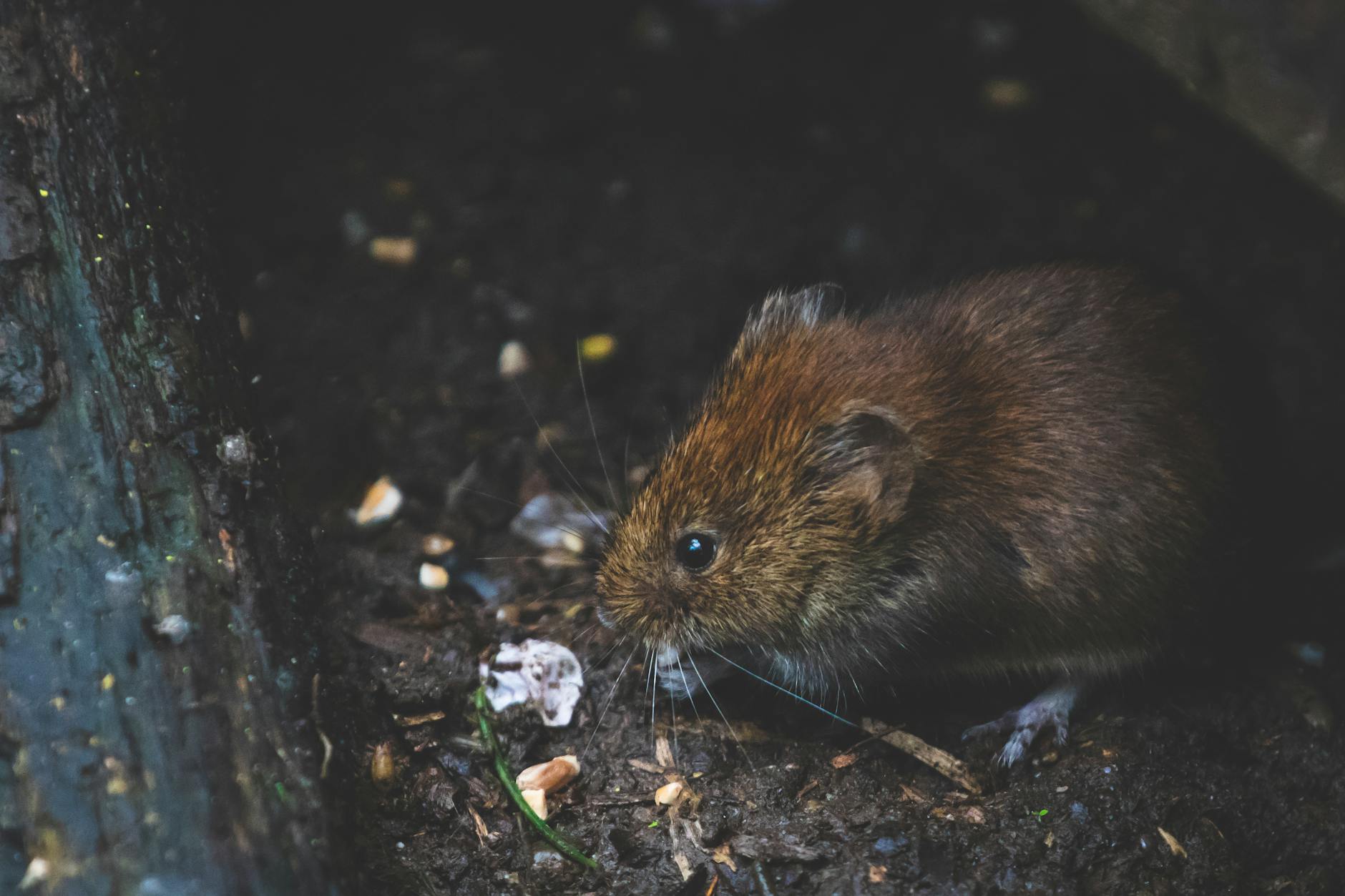
House mice are common guests once the outdoor temperatures drop. These small, light gray, furry rodents have large ears and long tails. Their preferred food is grains, but they will munch on just about anything. One reason mice can be a problem once inside is due to their rapid ability to reproduce. Each year, a female mouse can produce 5-10 litters, with about 5-6 young per litter. Mice make nests out of materials like paper, feathers, or other fluffy materials.

Photo by DSD on Pexels.com

Understanding how mice function helps in the control process. They have relatively poor eyesight and are near-sighted. To make up for this deficit, they utilize their whiskers to feel the walls as they move around. Mice also have extreme physical abilities. They can climb up vertical surfaces, balance along wire cables, jump 10” high or across a 3’ gap, and survive a 9’ drop. Their most impressive feat is being able to squeeze their bodies into holes 1/4” in diameter, the size of a pencil.

If you don’t want these guests to become permanent residents, there are several methods that can be used for controlling mice in the home. Exclusion is the most common in the fight against house mice. Prevent mice from entering buildings by eliminating openings that are 1/4” or larger. Use sealants or mortar to help fill the gaps. Spray-in-place foams and steel wool pads will fill the gaps, but they won’t do much to stop mice from entering. Make sure doors, windows, and screens fit tightly. Cover the edges of doors and windows with metal to prevent gnawing.

Population reduction is another method for controlling mice. Traps and baits are two common population reduction methods. To ensure success with traps, you need to use enough traps in areas where mice are living. Snap traps or multiple-capture traps can be used to capture mice. Double setting snap traps, placing two traps close to each other, will yield the best results in situations with high activity. Multi-catch traps can catch several mice at a time without resetting. Glue boards are another alternative to traps. These sticky boards catch and hold mice as they try to move throughout the home. Be sure to use sticky boards in locations where non-target animals or items won’t get stuck in them. If this does happen, use an oily material, like vegetable or mineral oil, to dissolve the sticky substance. To make the traps more appealing you can apply a food source such as peanut butter, or a chocolate chip melted to the trigger, or you can secure a cloth scented with a food source to the traps’ trigger.

Baits are another population reduction method. Be sure to read and follow all directions on baits. When choosing baits, consider the location and method of applications and any non-target pets and children. Choose the type of bait for your specific location and application. Mice have been known to move pelleted baits without eating them. Just because you have an empty box, doesn’t mean they have eaten the bait. Bait stations or bait blocks ensure that the critter eats the bait. Baits might not be the best option for inside the home, so select their location wisely.

Use caution when cleaning up droppings, nests, or mouse remains. This can help to decrease the potential spread of diseases carried by mice like Hantavirus. Use protective waterproof gloves and spray the carcass and trap or nest with a household disinfectant or a 10% bleach solution. Use a sealable bag turned inside out to pick up the mouse. To remove feces or urine, spray the area with a disinfectant until wet and wipe up with a towel, rag, or mop. Don’t use the vacuum or broom to collect dry feces as that can cause the material to go into the air and be inhaled.

We all want guests to stop by, but with a little work upfront, you can make sure the guests that enter your home will be welcome ones who will yell out ‘Trick or Treat’.

This article was written by Elizabeth Exstrom, Extension Educator with Nebraska Extension in Hall County. For more information contact Elizabeth at elizabeth.exstrom@unl.edu.

Horticulture

Pumpkins

I love this time of year for several reasons. First, it is harvest time; watching the combines in the fields brings back great memories of riding in the combine with my dad as a child. Secondly, I love the changing colors of the trees and the slight chill in the air. Finally, I love pumpkins and going to the pumpkin patch with my girls, so I’m sharing some fun information about pumpkins this week.

October is National Pumpkin Month. Pumpkins are a member of the Cucurbitaceae family, which also includes squash, cantaloupe, cucumbers, watermelon, and gourds. Every part of the pumpkin was used by American Indians. Pumpkins and squashes were baked or roasted whole in a fire, cut up and boiled, added to soups and stews, or made into porridge and pudding.  Strips of pumpkin were dried and woven into mats and the dried outer shells of pumpkins and squashes found new life as water vessels, bowls, and storage containers.

Photo by Ivan Samkov on Pexels.com

Did you know that pumpkin is an excellent source of vitamin A and a good source of fiber? Also, a one-ounce portion of hulled pumpkin seeds is considered 20-ounce equivalent in the Protein foods group. All parts of the pumpkin are used worldwide as ingredients in dishes – even the pumpkin leaves!  Cooked pumpkin leaves and peeled shoots are a staple in many Asian and African countries and are served with rice or porridge. The flavor is said to be a mixture of green beans, asparagus, broccoli, and spinach. Use tender, young pumpkin leaves for best results.  Fresh pumpkins are best if you select small, heavy ones for cooking because they contain more edible flesh. Pumpkins for carving are not so great for cooking, but the edible seeds are great for roasting!  My grandma always made the best pumpkin seeds!

            If you have never made roasted pumpkin seeds, here are some tips from the National Center for Home Food Preservation:

  • Drying seeds and roasting seeds are two different steps:
  • To dry: Carefully wash pumpkin seeds to remove the clinging fibrous pumpkin tissue. Pumpkin seeds can be dried in a dehydrator at 115 to 120°F for 1 to 2 hours, or in an oven on warm for 3 to 4 hours. Stir frequently to avoid scorching.
  • To roast: toss dried pumpkin seeds with oil and your favorite seasonings such as salt, pepper, garlic, or cumin. Roast in a preheated oven at 250°F for 10 to 15 minutes. Once cooled, place the roasted pumpkin seeds in a sealed container and store at room temperature.

When selecting pumpkins for carving and fall decoration, choose varieties that suit your style! Traditional carving pumpkins are medium to large- in size, deep orange, and lightly ribbed with a strong handle. For painting, look for a small pumpkin with a strong handle and a smooth surface. Add additional interest to fall décor using miniature pumpkins with unique colors and patterns. Miniature pumpkins are typically less than 2 pounds and can be found in a variety of shapes and colors. The diversity among pumpkin varieties is incredible! With sizes ranging from 4 ounces to over 1,000 pounds, various unique shapes, and brilliant colors like orange, yellow, white, green, blue, gray, pink, and tan, there are endless opportunities to select the perfect pumpkin.

This information was taken from Nebraska Extension’s food.unl.edu website which has more great pumpkin and fall recipes and nutrition information.

Horticulture

Tree Planting Tips

There is always room to plant another tree, in our own yard or even at a public location such as parks, churches, and schools. Good plant growth starts with proper planting. If a tree is not planted correctly it will struggle for many years and maybe even die after only a few years in the ground. Nicole Stoner, local Horticulture Extension Educator and Certified Arborist has great information to consider when planting trees.

Photo by Lerkrat Tangsri on Pexels.com

Diversity

Deciding what tree to plant is very important and can be a difficult decision because there are so many trees to choose from. Diversity is key when choosing your tree. The general rule is to plant no more than 10% of a tree species, no more than 20% of a tree genus, and no more than 30% of a tree family in a respective urban area.

Diversity of our tree species helps reduce future problems from widespread disease and insect outbreaks. Look around at what types of trees you have and what types of trees your neighbors have before deciding on a new tree, try to avoid over-planting the same few trees throughout the neighborhood. Plus, diversity of trees is more aesthetically pleasing because of the different leaf and bark textures, different bloom times, and overall differences in trees.

Planting a Tree

The most important factor to keep in mind when planting trees is planting it correctly to ensure healthy growth. First, remove all the burlap and any other materials from the root ball before planting. Also remove any tags, twine, or wire from the tree. Remember to remove all the grass and weeds that are within the area you will be planting the tree. Dig a hole that is 2-3 times wider and no deeper than the root ball and loosen up the sides of the hole. Plant the tree so that first lateral roots are just below the soil surface. Do not amend the soil that is in the hole, backfill with the existing soil. Make sure that the entire root ball is covered with soil to avoid drying out.

Care of Trees

Keep newly planted trees well-watered. Always water newly planted trees, shrubs, or any other plant immediately after planting. Trees should be watered every 10-14 days throughout the growing season and even some during the winter on warmer days. Each watering should give the tree 1-2 inches of water. The best way to determine if a tree needs to be watered is to insert a soil probe or 12-inch-long screwdriver into the ground around the tree. If it goes in easily there is no need to water, if it is difficult at any point then water is necessary for the tree.

A mulch ring should be established and maintained around every tree. Organic mulch, or wood chips, are a better choice than inorganic mulches. It will help keep the roots cool in the summer and regulated to a uniform temperature through the winter. Mulch will also help keep weeds down and reduce competition from those weeds for water and nutrients. Reducing weed competition around the tree reduces damage to the trunk from lawn mowers and trimmers. Finally, mulch is a way to hold moisture for use later by the tree. Mulch rings should be only 2-3 inches deep and in a circle around the tree at least 2-3 feet out.

Horticulture, Uncategorized

Pumpkins

I love this time of year for several reasons. First, it is harvest time; watching the combines in the fields brings back great memories of riding in the combine with my dad as a child. Secondly, I love the changing colors of the trees and a slight chill in the air. Finally, I love pumpkins and going to the pumpkin patch with my girls which is why this week I’m sharing some fun information about pumpkins.

Photo by James Wheeler on Pexels.com

October is National Pumpkin Month. Pumpkins are a member of the Cucurbitaceae family, which also includes squash, cantaloupe, cucumbers, watermelon, and gourds. Every part of the pumpkin was used by American Indians. Pumpkins and squashes were baked or roasted whole in a fire, cut up and boiled, added to soups and stews, or made into porridge and pudding.  Strips of pumpkin were dried and woven into mats and the dried outer shells of pumpkins and squashes found new life as water vessels, bowls and storage containers.

Did you know that pumpkin is an excellent source of vitamin A and a good source of fiber? Also, a one-ounce portion of hulled pumpkin seeds is considered 20ounce equivalents in the Protein foods group. All parts of the pumpkin are used all over the world as ingredients in dishes – even the pumpkin leaves!  Cooked pumpkin leaves and peeled shoots are a staple in many Asian and African countries and served with rice or porridge. The flavor is said to be a mixture of green beans, asparagus, broccoli, and spinach. Use tender, young pumpkin leaves for best results.  Fresh pumpkins are best if you select small, heavy ones for cooking because they contain more edible flesh. Pumpkins for carving are not so great for cooking, but the edible seeds are great for roasting!  My grandma always made the best pumpkin seeds!

If you have never made roasted pumpkin seeds, here are some tips from the National Center for Home Food Preservation:

  • Drying seeds and roasting seeds are two different steps:
  • To dry: carefully wash pumpkin seeds to remove the clinging fibrous pumpkin tissue. Pumpkin seeds can be dried in a dehydrator at 115 to 120°F for 1 to 2 hours, or in an oven on warm for 3 to 4 hours. Stir frequently to avoid scorching.
  • To roast: toss dried pumpkin seeds with oil and your favorite seasonings such as salt, pepper, garlic, or cumin. Roast in a preheated oven at 250°F for 10 to 15 minutes. Once cooled, place the roasted pumpkin seeds in a sealed container and store at room temperature.

When selecting pumpkins for carving and fall decoration, choose varieties that suit your style! Traditional carving pumpkins are medium to large- in size, deep orange, and lightly ribbed with a strong handle. For painting, look for a small pumpkin with a strong handle and a smooth surface. Add additional interest to fall décor using miniature pumpkins with unique colors and patterns. Miniature pumpkins are typically less than 2 pounds and can be found in a variety of shapes and colors. Diversity among pumpkin varieties is incredible! With sizes ranging from 4 ounces to over 1,000 pounds, various unique shapes, and brilliant colors like orange, yellow, white, green, blue, gray, pink, and tan, there are endless opportunities to select the perfect pumpkin.

This information was taken from Nebraska Extension’s food.unl.edu website which has more great pumpkin and fall recipes and nutrition information.

Horticulture, Uncategorized

Pumpkins

I love this time of year for several reasons. First, it is harvest time; watching the combines in the fields brings back great memories of riding in the combine with my dad as a child. Secondly, I love the changing colors of the trees and a slight chill in the air. Finally, I love pumpkins and going to the pumpkin patch with my girls which is why this week I’m sharing some fun information about pumpkins.

Photo by Ylanite Koppens on Pexels.com

October is National Pumpkin Month. Pumpkins are a member of the Cucurbitaceae family, which also includes squash, cantaloupe, cucumbers, watermelon, and gourds. Every part of the pumpkin was used by American Indians. Pumpkins and squashes were baked or roasted whole in a fire, cut up and boiled, added to soups and stews, or made into porridge and pudding.  Strips of pumpkin were dried and woven into mats and the dried outer shells of pumpkins and squashes found new life as water vessels, bowls and storage containers.

Did you know that pumpkin is an excellent source of vitamin A and a good source of fiber? Also, a one-ounce portion of hulled pumpkin seeds is considered 20ounce equivalents in the Protein foods group. All parts of the pumpkin are used all over the world as ingredients in dishes – even the pumpkin leaves!  Cooked pumpkin leaves and peeled shoots are a staple in many Asian and African countries and served with rice or porridge. The flavor is said to be a mixture of green beans, asparagus, broccoli, and spinach. Use tender, young pumpkin leaves for best results.  Fresh pumpkins are best if you select small, heavy ones for cooking because they contain more edible flesh. Pumpkins for carving are not so great for cooking, but the edible seeds are great for roasting!  My grandma always made the best pumpkin seeds!

 If you have never made roasted pumpkin seeds, here are some tips from the National Center for Home Food Preservation:

  • Drying seeds and roasting seeds are two different steps:
  • To dry: carefully wash pumpkin seeds to remove the clinging fibrous pumpkin tissue. Pumpkin seeds can be dried in a dehydrator at 115 to 120°F for 1 to 2 hours, or in an oven on warm for 3 to 4 hours. Stir frequently to avoid scorching.
  • To roast: toss dried pumpkin seeds with oil and your favorite seasonings such as salt, pepper, garlic, or cumin. Roast in a preheated oven at 250°F for 10 to 15 minutes. Once cooled, place the roasted pumpkin seeds in a sealed container and store at room temperature.

When selecting pumpkins for carving and fall decoration, choose varieties that suit your style! Traditional carving pumpkins are medium to large- in size, deep orange, and lightly ribbed with a strong handle. For painting, look for a small pumpkin with a strong handle and a smooth surface. Add additional interest to fall décor using miniature pumpkins with unique colors and patterns. Miniature pumpkins are typically less than 2 pounds and can be found in a variety of shapes and colors. Diversity among pumpkin varieties is incredible! With sizes ranging from 4 ounces to over 1,000 pounds, various unique shapes, and brilliant colors like orange, yellow, white, green, blue, gray, pink, and tan, there are endless opportunities to select the perfect pumpkin.

This information was taken from Nebraska Extension’s food.unl.edu website which has more great pumpkin and fall recipes and nutrition information.

Horticulture

Tomatoes

What’s red with green, juicy and delicious fresh and can be canned into many popular items? That’s right, tomatoes!  Every year, we receive many questions about tomatoes and if you are like me, you love to canning with them to enjoy all products all year long!  Our regional horticultural expert, Nicole Stoner recently provided me with some information on tomatoes and fall gardening so I’m including this in my weekly column.

This year the weather has been quite abnormal. We started out with a very cool spring, after that the weather quickly shifted to hot, windy, and stormy. We are seeing quite a bit of problems with tomatoes lately and they all look similar but could be due to a few different problems.

Many people are seeing tomato plants with curling leaves. Most often these curled leaves are at the top of their plants and it is not usually all the plants that a person planted in their garden that are having problems. Sometimes it is just a couple of plants out of 10-12.

Tomatoes can produce so many delicious canned goods throughout the year.

Environmental Damage

The stress from the environment can be very harmful to our plants. When the weather quickly shifted to summer this year, it caused wilting from heat and drought stress. Sometimes that environmental stress can cause the leaves of tomato plants to curl upward. Watering can sometimes help this issue, but not always. The plants may need to get over the impacts on their own. With environmental issues, the plant will eventually grow out of the damage.

Another issue caused by the environment is called physiological leaf curl that can develop on tomato plants. This is a physiological issue, meaning it is a growth response in the plant. This response is caused by changes in the environment, usually when weather shifts from spring to summer. Typically, the plant will recover on its own. Correct irrigation can help speed up this process.

Herbicide Injury

Herbicide injury is something that we often see in our plants. Tomatoes are especially sensitive to drift from 2,4-D and Dicamba products. With herbicide drift, curling, cupping, and vein distortion of leaves. The plant will likely grow new leaves that are not affected and look fine. However, it is not advised to eat fruits or vegetables from plants that were hit by herbicide drift, due to the variables regarding the herbicide, there is no way to know when or if they will be safe for consumption.

This year, since we were having such a chilly spring, we were able to spray herbicides later in the season. Then, when the temperatures shifted so quickly and these products were still being used, we had a lot more volatilization of the products making them move to our plants.

Virus

There is also a virus known as Beet Curly Top that can also be found in tomatoes. The experts are suggesting that this could be part of the problem as well. The symptoms from this virus are very similar to herbicide injury. As with all virus diseases, there is no cure for the plant. It is best to pull the infected plants as soon as the virus is noticed and destroy them to reduce the chance for spread of the virus.

So, whether your plants are facing herbicide injury or a virus, the best option is to remove the plants. This will reduce the chances of all your plants getting the disease and be safest for your household. If it is an environmental issue, the plants will grow out of it. If you are unsure of the cause, it is best to remove the plants. Be sure to keep them watered as necessary through the summer or early fall to help reduce the problems.

If you have any further questions please contact Nicole Stoner at (402) 223-1384, nstoner2@unl.edu, visit the Gage County Extension website at www.gage.unl.edu, or like her facebook page at http://www.facebook.com/NicoleStonerHorticulture and follow her on twitter @Nikki_Stoner.

Horticulture

Tomatoes

What’s red with green, juicy and delicious fresh and can be canned into many popular items? That’s right, tomatoes!  Every year, we receive many questions about tomatoes and if you are like me, you love to canning with them to enjoy all products all year long!  Our regional horticultural expert, Nicole Stoner recently provided me with some information on tomatoes and fall gardening so I’m including this in my weekly column.

food vegetables red tomatoes
Photo by Pixabay on Pexels.com

This year the weather has been quite abnormal. We started out with a very cool spring, after that the weather quickly shifted to hot, windy, and stormy. We are seeing quite a bit of problems with tomatoes lately and they all look similar but could be due to a few different problems.

Many people are seeing tomato plants with curling leaves. Most often these curled leaves are at the top of their plants and it is not usually all the plants that a person planted in their garden that are having problems. Sometimes it is just a couple of plants out of 10-12.

Environmental Damage

The stress from the environment can be very harmful to our plants. When the weather quickly shifted to summer this year, it caused wilting from heat and drought stress. Sometimes that environmental stress can cause the leaves of tomato plants to curl upward. Watering can sometimes help this issue, but not always. The plants may need to get over the impacts on their own. With environmental issues, the plant will eventually grow out of the damage.

Another issue caused by the environment is called physiological leaf curl that can develop on tomato plants. This is a physiological issue, meaning it is a growth response in the plant. This response is caused by changes in the environment, usually when weather shifts from spring to summer. Typically, the plant will recover on its own. Correct irrigation can help speed up this process.

Herbicide Injury

Herbicide injury is something that we often see in our plants. Tomatoes are especially sensitive to drift from 2,4-D and Dicamba products. With herbicide drift, curling, cupping, and vein distortion of leaves. The plant will likely grow new leaves that are not affected and look fine. However, it is not advised to eat fruits or vegetables from plants that were hit by herbicide drift, due to the variables regarding the herbicide, there is no way to know when or if they will be safe for consumption.

This year, since we were having such a chilly spring, we were able to spray herbicides later in the season. Then, when the temperatures shifted so quickly and these products were still being used, we had a lot more volatilization of the products making them move to our plants.

Virus

There is also a virus known as Beet Curly Top that can also be found in tomatoes. The experts are suggesting that this could be part of the problem as well. The symptoms from this virus are very similar to herbicide injury. As with all virus diseases, there is no cure for the plant. It is best to pull the infected plants as soon as the virus is noticed and destroy them to reduce the chance for spread of the virus.

So, whether your plants are facing herbicide injury or a virus, the best option is to remove the plants. This will reduce the chances of all your plants getting the disease and be safest for your household. If it is an environmental issue, the plants will grow out of it. If you are unsure of the cause, it is best to remove the plants. Be sure to keep them watered as necessary through the summer or early fall to help reduce the problems.

If you have any further questions please contact Nicole Stoner at (402) 223-1384, nstoner2@unl.edu, visit the Gage County Extension website at www.gage.unl.edu, or like her facebook page at http://www.facebook.com/NicoleStonerHorticulture and follow her on twitter @Nikki_Stoner.

Horticulture

Planting Fall Gardens

Guest Columnist: Nicole Stoner – Extension Educator focused in horticulture

In August we can begin to think about a fall garden. Fall gardens are often more productive than spring gardens, due to the cooler temperatures through the majority of the life of the plants.

61747289049__7D19AED6-621D-481B-A0B2-D304B1EC71EB.jpeg
My first crop of brussel sprouts this spring

While we have missed the timeline for some of these vegetables, here are the best times to plant a fall garden in our area. For a fall harvest, plant beets August 1-10; carrots August 1-15; Chinese cabbage August 1-20; lettuce August 1-5; mustard August 1-25; radish August 1-20; snap beans August 1-5; spinach August 20- September 15; Swiss chard August 1-20; and turnips August 1-15 (from Backyard Farmer online calendar).

The first frost in Beatrice occurs around October 1-10, on average and is within a week either way for the surrounding counties. The best way to determine when to plant a fall garden is to count backward from the first frost date and compare it to your harvest time listed on the package. You do want to add a fall factor of about 10-14 days to include extra time for development during the cooler temperatures of fall.61818829468__014FC3C2-BB22-4A81-BF8C-7B8E11ADCFA5

If you have any further questions please contact Nicole Stoner at (402) 223-1384, nstoner2@unl.edu, visit the Gage County Extension website at www.gage.unl.edu, or like her facebook page at http://www.facebook.com/NicoleStonerHorticulture and follow her on twitter @Nikki_Stoner.

Horticulture

Bagworms

One common horticultural pest our office receives questions on is bagworms. Bagworms feed on the foliage of a wide variety of trees and shrubs, but are of most concern for evergreens, especially junipers. Bagworms overwinter as eggs in their bags which are attached to tree branches. The eggs hatch in mid-May to early June. As bagworms grow, leaf fragments are added to bags which often grow to 2 inches in length by the end of the summer. The earliest signs of bagworm injury in evergreens are brown or stressed needles at the tips of branches. Heavy infestations  of older bagworms may completely defoliate a tree or shrub and if severe enough can kill the tree or shrub. Less severe injury will slow growth and stunt plants.

To control bagworms on small trees or small infestations, remove the bags by pulling them off the branches and immersing them in soapy water. If you place the bags next to the tree, the larvae might return to the host plants. If you have bagworms in a windbreak or large tree, insecticides are most effective when applied during early bagworm development. For early season damage, insecticides from mid to late June when bags are less than ½ inch in length are effective. By late August, chemical control is no longer effective as the bagworms have ceased feeding and are enclosed within their bags.

Reduced-risk insecticides to use contain Bacillus thuringiensis (Bt) and insecticidal soaps are quite effective on young bagworm larvae but may require repeated applications. Additional insecticide options for bagworms include: acephate, bifenthrin, carbaryl, cyfluthrin, malathion or others. As always, be sure to read and follow all label instructions and use all insecticides with caution to avoid exposure to humans, pets, wildlife and other non-target organisms.

For more information, check out Nebraska Extension’s NebGuide on bagworms which can be accessed online through extension.unl.edu website.