Programming

Extension Recap from 2025

The holiday season is often a time to reflect on the year. I have many blessings in my life. First and foremost, I would like to thank my family for being understanding with me as I often attend evening meetings and conferences that pull me away from home. Secondly, I am fortunate to have great colleagues that help me out and work as a team. I’d also like to thank you- my readers, extension supporters, 4-H volunteers and others who have helped in some capacity with an extension or 4-H program. Without amazing Nebraska Extension supporters, programs wouldn’t be as successful as they are.

While I’m not one to boast, I’d like to mention that Nebraska Extension is one of the leading Extension organizations in the country! Utilizing cutting-edge delivery methods and programming ideas, we focus on critical issues identified by Nebraskans through periodic needs assessments. Nebraska Extension is nationally leading 4-H youth engagement by reaching 1 in 3 youth between the ages of 8-18 and we have extension faculty with national and international reputations.

Finally, Nebraska Extension engages many Nebraskans in Extension programming every year – from the agricultural community to sectors as diverse as nutrition, early childhood education and youth development. From border-to-border Nebraska Extension is making an incredible impact on the success of our state – its youth, its families, its farms and ranches, its communities, and its economy. These are broad program accomplishments to look at from a balcony view, but what are some key impacts locally for Clay and Fillmore Counties?

            Nebraska Extension in Clay County and Fillmore County reaches 1 out of 2 age-eligible youth. Clay County youth programming highlights include reaching youth ages 5-18, through school enrichment, traditional 4-H programs, shooting sports and after school programming. Junior Leaders mentor younger kids and engage in community service. Specifically:

  • 126 Clay and surrounding county homeschool youth were reached by 7 educational programs.
  • 200 youth from 4 counties participated in Connect the Dots, a career preparedness event.
  • Over 100 youth participated in the Clay County shooting sports program.

 A few Fillmore County accomplishments include:

  • 92% of eligible youth participated in 4-H clubs, school enrichment, workshops, or special-interest projects—building confidence, leadership, and lifelong skills.
  • The inaugural STEM Field Day engaged 374 K–6 students from three schools, fostering curiosity and enthusiasm for science, technology, engineering, and math through interactive, hands-on activities.
  • Through targeted risk management education, the 2025 Farmers & Ranchers College served 200 participants, with more than one-third implementing operational changes because of past programming.
  • 84% of Fillmore County fifth graders who participated in Smart Cents lessons can now create a simple budget.

Of course, there are numerous more impacts and programming results to report, but these are some that I decided to include in this week’s column. For more information and ways to participate in Extension programming go to extension.unl.edu.

Wishing you a very Happy Holiday Season!

Programming

Ag Leasing Program & Tax Course

Ag Land Leasing Workshop in Wilber
The University of Nebraska-Lincoln’s Center for Agricultural Profitability and Nebraska Extension will present a landlord/tenant cash rent workshop in Wilber for landowners and operators from 1 to 4 p.m. Jan. 6, at the office of Nebraska Extension in Saline County, 306 W. 3rd St.

The meeting, titled “Financial Strategies for Effective Agricultural Land Leasing and Management” will cover current Nebraska cash rental rates and land values, best practices for agricultural leases, and other contract considerations. The meeting will also include financial considerations for farm succession and transition and offer an opportunity for those in attendance to have their leasing questions answered.

Agricultural economists Anastasia Meyer and Jim Jansen will lead the presentation. Both are with the Center for Agricultural Profitability. Refreshments will be provided, sponsored by Farmers National Company.

The meeting is free to attend, but registration is required by Jan. 5 by calling Nebraska Extension in Saline County at 402-821-2151.

More information about cash rental rates, leasing and farm and ranch transition can be found on the Center for Agricultural Profitability’s website, https://cap.unl.edu.


Online Course Offers Tax Strategies for Farmers & Ranchers
A new educational opportunity is now available for agricultural producers looking to strengthen their financial management skills. The Nebraska Women in Agriculture program has launched a free online course, Tax Strategies for Farms and Ranches, open to participants beginning Dec. 1.

Designed as a self-paced learning experience, the course helps farmers and ranchers take a more proactive, informed approach to tax planning. It is geared toward both beginners and those wanting to sharpen their current tax management practices.

Participants will learn how to improve communication with their tax professionals, develop a dependable record-keeping system, and make better-informed decisions that focus not just on lowering tax bills but on maximizing after-tax income. Course materials draw from trusted agricultural tax resources, including USDA, RuralTax.org, and the University of Nebraska–Lincoln’s Center for Agricultural Profitability.

“Taxes shouldn’t be something producers only think about once a year,” said Jessica Groskopf, Director of the Nebraska Women in Agriculture Program. “By taking a more strategic approach, producers can work more effectively with their tax professionals and make decisions that support the long-term success of their farm or ranch.”

The course is available at no cost but will only be offered from Dec. 1, 2025, through Feb. 28, 2026. Those interested can enroll online at go.unl.edu/ae.

Programming

Ag Update & the Road Ahead

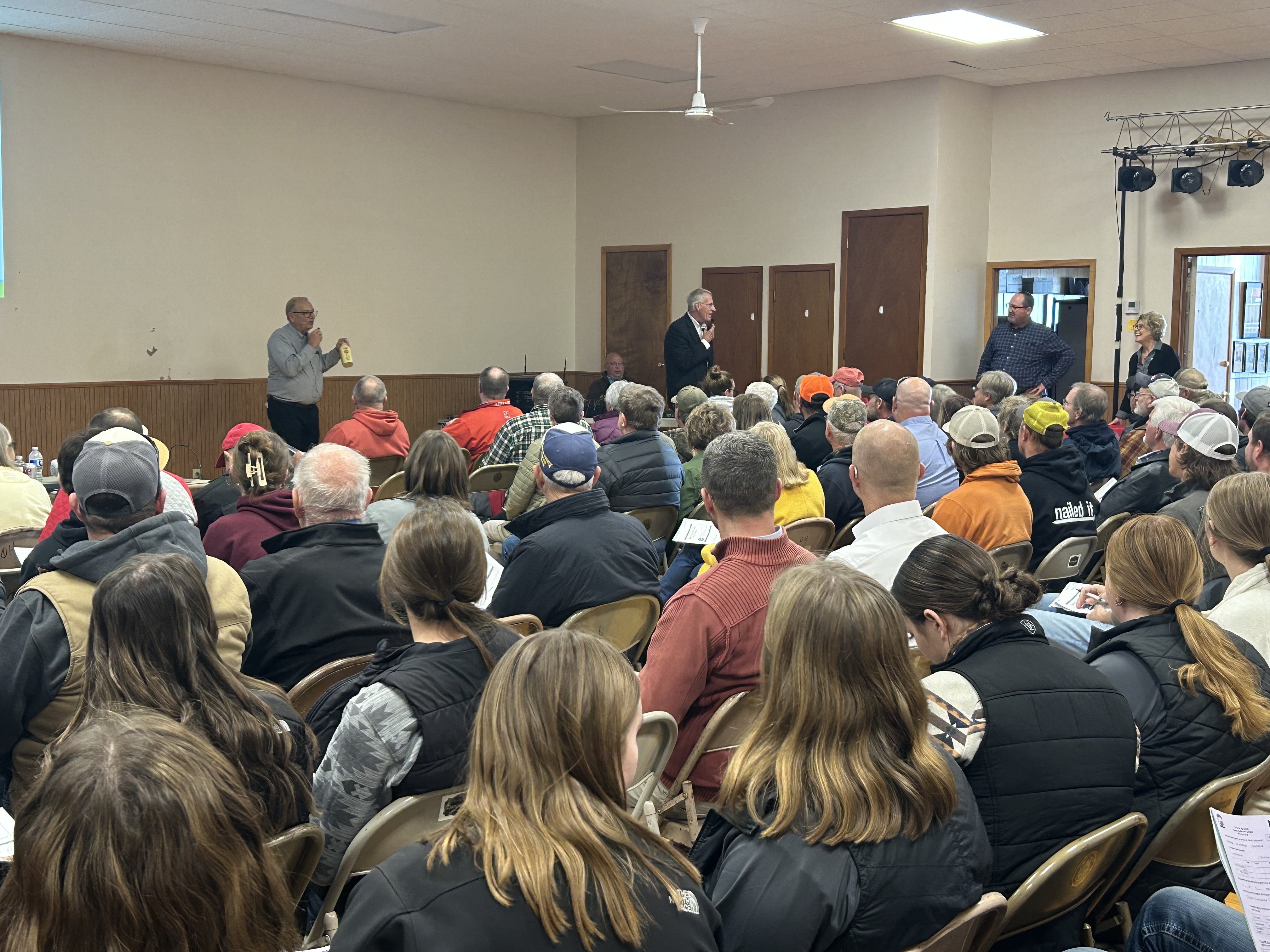
Recently at a Farmers & Ranchers College program, Dr. David Kohl shared his global perspective on current events and how they influence U.S. agriculture—insights that are always incredibly valuable. One of the highlights of his presentation was a “SWOT analysis” of the United States. While many businesses routinely use SWOT analyses to evaluate strengths, weaknesses, opportunities, and threats, it was fascinating to consider how this framework applies to an entire country.

Kohl noted that one of the United States’ greatest strengths is its abundant natural resources. Together, the U.S. and Canada hold 20% of the world’s water supply. The nation’s extensive river system also provides an efficient means of transporting goods. Additional strengths include a solid capital structure, legal system, and property rights; the global role of the U.S. dollar in trade; a strong educational system; an entrepreneurial economy; and the country’s historic position as a global influencer since World War II.

Weaknesses cited include political polarization, inconsistent policies, and declining trust in institutions. The U.S. also faces an aging population combined with a reactive healthcare system, a growing federal deficit, substantial budget obligations, a service-dependent economy, a widening concentration of wealth and income, and aging infrastructure paired with supply chain challenges.
Kohl highlighted that North America has tremendous potential when the U.S., Canada, and Mexico work together—representing 5% of the world’s population but 29% of the global economy. Additional opportunities include improving proactive healthcare to enhance quality of life, cultivating next-generation leadership at all levels, advancing as a global leader in applied technologies, and strengthening natural resource and environmental management.

Among the threats, Kohl warned of the likelihood of a catastrophic technology event that could disrupt major industries or even the country itself. He also identified the risk of a “brain drain,” as scientists and researchers leave the U.S. due to issues such as funding uncertainty, instability, perceived anti-science sentiment, and heavy recruitment from other global powers including the EU and China.

Dr. Kohl emphasized the critical importance of human interaction and communication. While artificial intelligence and other technological tools can help reduce workloads, they can never replace genuine human relationships. He reminded attendees that people need connection and purpose. Quoting a favorite saying, he noted, “It is better to have a good neighbor than their farm,” reinforcing the idea that being kind and building strong relationships matter far more than acquiring more land or expanding a business.

In conclusion, he provided leadership principles that stand the test of time:

  • Change occurs bottom up, not top down.
  • Manage the controllables, manage around the uncontrollable.
  • Quick money builds ego – disciplined principle-based strategy/activity results in resiliency, nimbleness, agility and character.
  • If you are going to lead, you must read!
  • Success is often measured in dollar signs. Significance is giving back and making a difference in people’s lives.
  • A successful culture and society must have success in agriculture.

It was great to see over 30 FFA members and community college students in attendance which Dr. Kohl praised and asked them each to share what they learned. He praised the 4-H and FFA programs for providing youth a purpose and developing life skills.
 

Programming

Farmers & Ranchers College Dates            

The Farmers & Ranchers College continues to provide high-quality programming to area producers and agribusiness professionals with 2025-26 programming.  The Farmers & Ranchers College was formed in January 2000 with the purpose of providing high quality, dynamic, up to date educational workshops for area agricultural producers in south central Nebraska through a collaborative effort between business, industry and higher education leaders. Furthermore, the Farmers & Ranchers College will provide the tools necessary so that agricultural producers will be able to respond positively to these changes using a profitable decision-making process.

The Farmers and Ranchers College Committee consist of Fred Bruning of Bruning, Bryan Dohrman of Grafton, Sarah Miller of Carleton, Jennifer Engle of Fairmont, Jim Donovan of Geneva, Bryce Kassik of Geneva, and Brandy VanDeWalle of Ohiowa.

The 2025-2026 Farmers & Ranchers College will kick off with a Cover Crop Grazing Conference on November 21, 2025, at the Clay County Fairgrounds in Clay Center, NE. This program will serve as our annual Cow/Calf College and provide growers and producers who utilize cover crops strategies for success. This year’s event will feature expert presentations on managing nitrates and prussic acid in cover crops, as well as the latest developments in virtual fencing technology. Attendees will also benefit from a producer panel sharing firsthand experiences, quick-hit poster presentations highlighting current research, and guided field tours focused on practical cover crop grazing strategies. Whether you’re a producer, researcher, or ag professional, this conference offers valuable insights and hands-on learning opportunities.

The Agricultural Update & the Road Ahead with Dr. David Kohl will be held on December 3, 2025, at the Opera House in Bruning, NE at 1:00 p.m. Finally, a special couple or family program on family farm transitioning will be held on March 19, 2026. All this information can be found at: go.unl.edu/farmersrancherscollege

Contributions and support of area businesses allow participants to attend at no cost, however for programs that have meals, it is requested that people RSVP at least a week in advance for an accurate meal count by calling Fillmore County Extension at (402) 759-3712.

Questions on the Farmers & Ranchers College can be directed to the Fillmore County Extension Office at (402) 759-3712. To participate and register, go to the website: go.unl.edu/frcollege.

Programming, Youth

4-H Delivery Modes

With county and state fairs complete, I’m often asked, “What are you doing now that fair is over?” The answer is simple: a lot! This week, I want to highlight the many ways 4-H reaches youth beyond the fair. In fact, in Clay and Fillmore Counties, our small staff connects with 1 in 2 age-eligible youth and families. Statewide, Nebraska 4-H reaches 1 in 3 youth across all 93 counties, with the support of more than 12,000 volunteers.

Nebraska 4-H strives to empower young people to develop strong mindsets and social skills for successful futures. Youth are reached through clubs, camps, afterschool programs, school enrichment, and special interest opportunities. While traditional 4-H clubs and camps are often the most visible, school enrichment and other programs extend our impact year-round.

School enrichment programs are learning experiences provided during school hours by local 4-H staff. These hands-on programs enhance classroom lessons, introduce new topics, and spark curiosity. They also strengthen collaboration between teachers and Extension staff to meet classroom goals. Locally, our programs focus on Career Development, STEM, Healthy Lifestyles/Personal Development and Agricultural Literacy, and we continually adapt to meet the needs of schools and students.

One program in its 28th year is AgVenture Day – a partnership with the South-Central Cattle Women and Extension that reaches 150+ fourth graders annually with hands-on lessons about agriculture and food production. Progressive Agriculture Safety Day – held each spring, reaches nearly 100 youth with presentations on safety and injury prevention.

Research Shows 4-H Impact

National research underscores the positive impact of 4-H. A series of studies led by Dr. Richard Lerner and his team at Tufts University (2002–2012; 2020–2023) show that 4-H youth report higher levels of positive youth development—including well-being, strong relationships, self-regulation, and active school engagement—compared to their non-4-H peers (Tufts Now, 2024).

Most notably, in the recent Replication Study (2020–2023):

  • 4-H youth were 2x more likely to report feeling competent.
  • 4-H youth were 2x more likely to feel positive about their well-being.

In addition, follow-up studies of 4-H alumni show long-term benefits as young adults. Compared to their non-4-H peers, alumni were:

  • 3x more likely to engage in community service.
  • 2x more likely to report living with purpose and intentionality.
  • 2x more likely to aspire to leadership roles.

These findings highlight the lasting influence of 4-H as youth navigate today’s challenges, including mental health and social pressures.

So, next time you’re tempted to ask, “What are you doing now that fair is over?” consider instead, “What programs or projects are you working on?” Chances are, you’ll hear about school enrichment, youth safety programs, agriculture education, or any of the countless Extension efforts supporting youth, farmers & ranchers, families, and communities.

For more information about Nebraska Extension’s educational programs, research, and initiatives, visit extension.unl.edu.

Crops, Programming

Crop Insurance, FarmBill & Weather!

The Farmers & Ranchers College continues to offer high-quality programming to area producers and agribusiness professionals for the 2024-25 season. The college started with its traditional program featuring Dr. David Kohl, which drew nearly 140 attendees! The Cow/Calf College also provided an in-depth, hands-on program with strong learner engagement. The final program of the season is coming up soon.

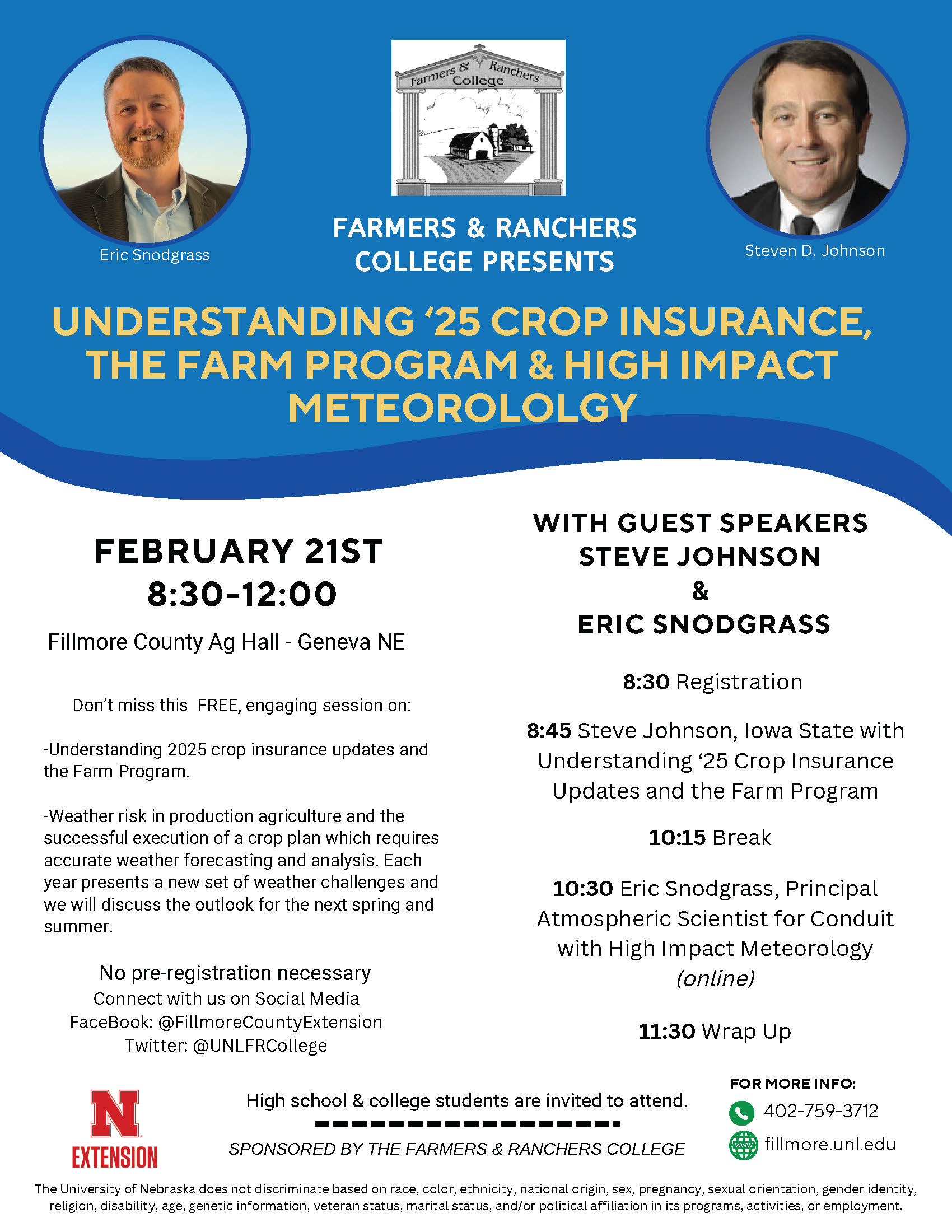
On February 21, 2025, the Farmers & Ranchers College will conclude with a comprehensive session covering crop revenue management and a 2025 weather outlook. Two nationally recognized experts will lead this program, which will be held at the Fillmore County Fairgrounds in Geneva, NE. Registration begins at 8:30 a.m., with the program starting promptly at 8:45 a.m. with Steve Johnson.

Steve Johnson served as the Farm Management Specialist in Central Iowa for Iowa State University Extension and Outreach for 21 years, retiring in early 2021. He now consults with private industry, farm organizations, commodity groups, ag media, and other agriculture-related clients, focusing on crop marketing, government farm programs, crop insurance, and crop risk management strategies. Steve has presented at winter meetings, workshops, seminars, webinars, and conferences across the Corn Belt, delivering his “Managing Crop Revenue & Market Price Risk” program. His session will address both 2024 and 2025 crop supply/demand, crop price outlooks, and strategies to manage crop insurance decisions and create a written marketing plan to capture higher futures prices.

Steve’s topics will include:

  • Latest USDA reports, highlighting 2024 & 2025 crop supply/demand and cash price projections
  • Pre-harvest marketing strategies and seasonal futures price trends
  • Projections for 2024 net farm income, plus crop costs and returns for 2024 & 2025
  • Five strategies for managing tight margins
  • How to develop crop marketing plans with price and time targets for 2024 & 2025 crops
  • Crop risk management resources and websites

Dr. Eric Snodgrass will also provide a weather update and how it relates to your operation. Weather risk is an inherent challenge in agriculture, and successful crop planning relies on accurate forecasting and analysis. We often base our operations on weather averages and recent experiences, but each year brings new challenges. In his session, Eric will discuss how to use the wealth of available weather data to stay ahead of disruptive weather events. He will cover the limits of predictability, resources for monitoring long-range forecasts, lessons learned from the previous growing season, and the risk of severe storms, particularly high winds, hail, and tornadoes. He’ll also discuss the impact of major seasonal drivers like El Niño and La Niña, as well as the outlook for the next growing season in South America, which directly competes with our crops.

Eric Snodgrass is a Principal Atmospheric Scientist for Conduit, where he develops predictive and analytical software solutions to manage weather risk in global agriculture. He provides frequent weather updates on how high-impact weather events affect global agricultural productivity. His research, which uses machine learning to assess field-level weather impacts on yields, helps improve long-range weather predictions. Eric is a sought-after speaker, presenting at over 100 conferences annually to farmers, commodity traders, and other stakeholders.

Pre-registration is not required, but it is appreciated. To register, please call the Fillmore County Extension Office at 402-759-3712 or go online at: go.unl.edu/frcollege.

Programming

Nebraska Extension: Part Two

Last week I shared about Nebraska Extension and some of my yearly impacts from 2024 and this week, I’ll share a few more. I am blessed to work with other talented Extension colleagues who create positive change every day. Some Extension impacts can be found online at https://extension.unl.edu/impact-nebraska/.

In 2024, I conducted the Nebraska Youth Crop Scouting Competition with 31 youth on 7 teams competing from 5 counties at ENREEC by Mead. Seven stations ranged from precision ag scouting to diseases, insects weed identification, etc. with judges from the Cropping Systems programming area. The Nebraska Soybean Board, Independent Crop Consultant Association, and UNL’s Doctor of Plant Health program sponsored this in-depth learning experience. 2024 survey results show that:

  • 80% of youth learned about a new career option
  • 93% of youth are more aware of degree opportunities at UNL & improved knowledge of accurately identifying pests as well as learning effective non-chemical control practices.
  • 97% of youth have an improved knowledge of crop scouting procedures.
  • I learned how to use aerial imagery to better diagnose a field.” – Participant

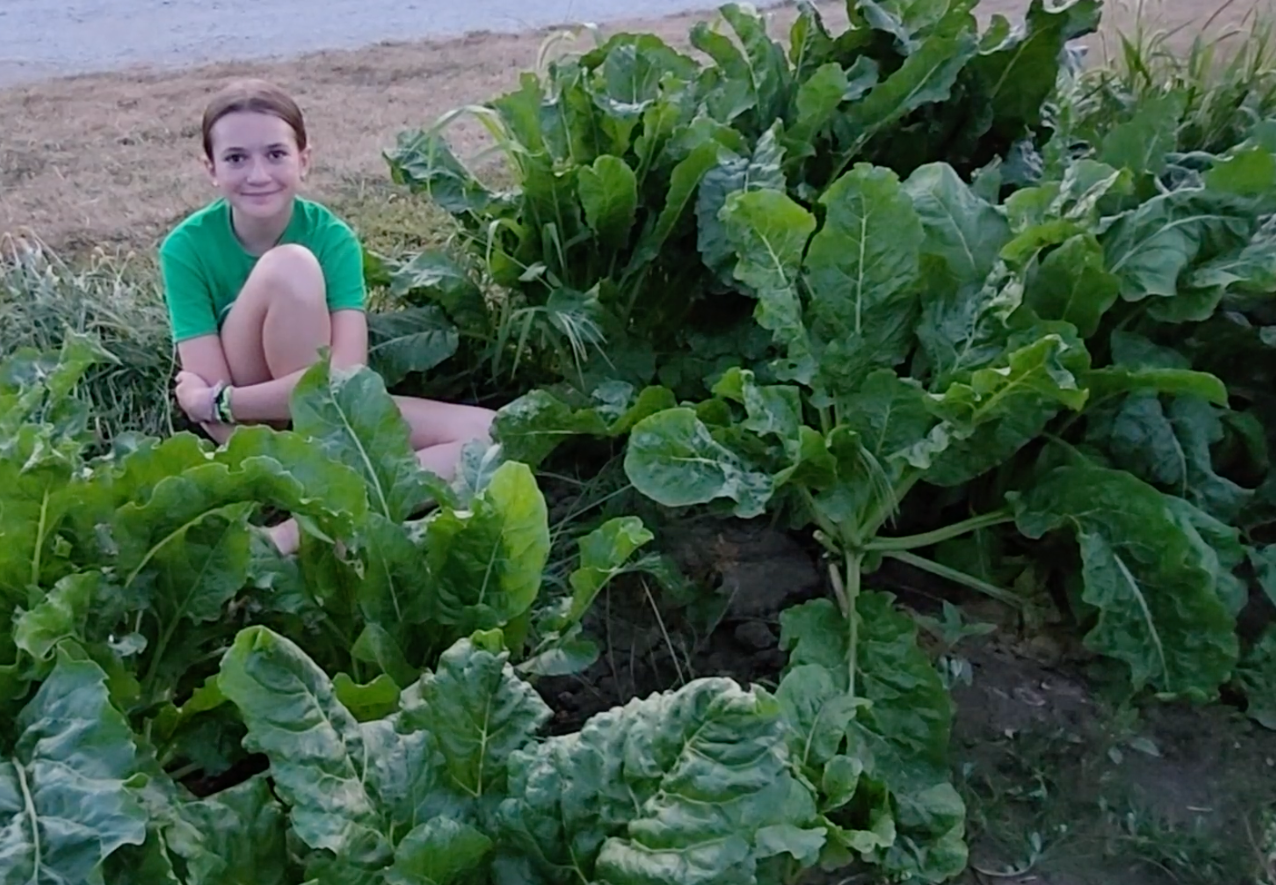
As state co-superintendent of 4-H Agronomy, I led the Special Agronomy Project (SAP) which delivered nearly 700 seed packets to NE youth. Eleven sugar beet projects were exhibited at the state fair.

  • 38% of participants who completed the evaluation said it was the first time they took an agronomy project to fair & 81% learned a skill that can be used in the future; 92% will enroll in the SAP next year.
  • This is a neat program, and I’d love for our whole club to do this next year.” – 4-H mom
  • This project made headlines on IANR news and was featured in a statewide booth by Western Sugar.

STEM Education – The Department of Defense projects that 80% of jobs will require STEM skills in the next decade, underscoring the need to engage students and educators in impactful STEM experiences. In 2024, I taught 1,619 STEM lessons to youth across 11 counties and 42 adults from the U.S. and a U.S. territory, covering topics from electricity and robotics to soil science and pollinator education.

I forged a new partnership with Nebraska EPSCoR through my ROOTED in Ag project. This led to an opportunity to organize a session at the National EPSCoR Conference. Alongside project members from Alaska and Hawaii, we delivered a cutting-edge workshop showcasing our agricultural science virtual reality field trips—demonstrating the power of technology in education. I developed a VR Robotic Dairy field trip and captured 360-degree images of cropping systems throughout the year, as well as drone footage and still images, all of which will be integrated into our group’s website and project. These immersive, high-tech field trips are slated for full implementation in 2025, promising to create lasting impacts on STEM education. Impacts from 18 direct teaching hours, representing a total of 64,110 direct learner hours taught in STEM-based.

Leadership Education– Investing in youth leadership development is a vital skill that contributes to both the personal success of young people and the overall well-being of our society. I taught both the Leadership Summit and Purple Ribbon Kid programs to 105 youth from 9 classrooms in 3 counties.

  • 100% of teachers who participated in the Purple Ribbon Kid program agreed/strongly agreed they have already witnessed positive behavior change in their students because of the lessons.
  • Because of the program, one youth said, “I will be more open to other people and their perspectives.” The teacher reported that the class “looks forward to using this knowledge as they continue throughout their lives” and 100% of youth now feel they can create positive change in their community.

Crops, Livestock, Programming

Ready, Set, Spread: Manure Application Workshops

Turning manure nutrients into better crop yields while protecting the environment will be the focus of ten Nebraska Extension Land Application Training workshops held across the state this February and March, with one held locally in Geneva on February 6th.

Land Application Training workshops focus on what fields should best utilize manure nutrients and other benefits. Each workshop will be highly participant-led with limited seating. Participants will be given a scenario and asked at the end of each activity to determine whether the field will benefit from manure application or whether there are considerations that make the field less desirable for manure application. Based on the activities, participants will then rank each field within the scenario to determine a priority ranking for the entire scenario. Activity topics will include manure nutrient value, transportation cost, soil health, water quality, neighbors, and odors. Regulations and record-keeping about manure storage and application will also be addressed during each workshop.

These manure workshops meet land application training certification needs for livestock producers that are required to do so, but they are open to anyone interested in using manure as a nutrient source on cropland as well. The Land Application Training events run from 9 am to 4 pm local time. I’ve only included some on the eastern side of the state; if you need others, go to water.unl.edu/lat.

Workshop sessions include:

  • Fillmore County Extension Office in Geneva on February 6
  • Madison County Extension Office in Norfolk on February 26
  • Nielsen Community Center in West Point on March 4
  • Rainforth Animal Health in Wisner (en Español) on March 6
  • Platte County Extension Office in Columbus on March 12

New this year, the UNL animal manure management team added two opportunities to take the workshop in Spanish. The content for the workshop will be the same in both languages, but hoping this will give Spanish speakers a chance to focus on the content of the workshop rather than the translation of English materials.

Because of limited seating and a meal provided during each workshop, registration is required and is requested 1 week ahead of each event. To ensure you can attend the location and date most convenient for you, register at water.unl.edu/lat. Workshops cost $75 per operation requiring certification or $25 per person with no expectation of certification. You can learn more about all things manure including these workshops at manure.unl.edu or by reaching out to Leslie Johnson at leslie.johnson@unl.edu.

Livestock, Programming

Cow/Calf College

Cow/Calf College Features Livestock Risk Management Workshop

The University of Nebraska-Lincoln’s Center for Agricultural Profitability and Nebraska Extension will host a risk management workshop in Clay Center to update livestock producers on the latest insurance options and risk management planning strategies. It will be held from 10:30 a.m. to 2 p.m., Jan. 21, at the U.S. Meat Animal Research Center, 844 Road 313.  

The workshop is sponsored by Nebraska Extension’s Cow-Calf College program. Sign-in begins at 10 a.m. In the event of inclement weather, the workshop will be held from 10:30 a.m. to 2 p.m. on Jan. 28 at the same location.  

Attendees will learn strategies designed to reduce risk exposure to achieve a profitable outcome in uncertain times. Current issues facing the cattle industry will be discussed to help producers to make more informed decisions. The goal of this program is to provide producers with the tools and resources needed to navigate the volatile livestock market and better manage risk through the creation of a risk management plan. 

Topics will include managing drought risk with USDA’s Pasture, Rangeland, and Forage (PRF) Insurance and managing price risk with USDA’s Livestock Risk Protection (LRP). PRF is an annual sign-up due on Dec. 1. LRP can be purchased most business days. The Weaned Calf Risk Protection Program, new this year, will also be discussed.  

The workshop is free, and snacks will be provided. Registration is required by Jan. 15 by calling Nebraska Extension in Fillmore County at 402-759-3712.  

This material is based upon work supported by USDA/NIFA under Award Number 2023-70027-40444. 

Programming

Extension Recap from 2024


The holiday season is often a time to reflect on the year. I have many blessings in my life. First and foremost, I would like to thank my family for being understanding with me as I often attend evening meetings and conferences that pull me away from home. Secondly, I am fortunate to have great colleagues who help me and work as a team. I’d also like to thank you, my readers, extension supporters, 4-H volunteers, and others who have helped in some capacity with an extension or 4-H program. Without amazing Nebraska Extension supporters, programs wouldn’t be as successful as they are.

While I’m not one to boast, I’d like to mention that Nebraska Extension is one of the leading Extension organizations in the country! Utilizing cutting-edge delivery methods and programming ideas, we focus on critical issues identified by Nebraskans through periodic needs assessments. Nebraska Extension is nationally leading 4-H youth engagement by reaching 1 in 3 youth between the ages of 8-18 and we have extension faculty with national and international reputations. Finally, Nebraska Extension engages many Nebraskans in Extension programming every year – from the agricultural community to sectors as diverse as nutrition, early childhood education, and youth development. From border-to-border Nebraska Extension is making an incredible impact on the success of our state – its youth, families, farms and ranches, communities, and economy. These are broad program accomplishments to look at from a balcony view, but what are some key impacts locally for Clay and Fillmore Counties?

Nebraska Extension in Clay County and Fillmore County reaches 1 out of 2 age-eligible youth. Clay County youth programming highlights include reaching youth ages 5-18, through school enrichment, traditional 4-H programs, shooting sports, and after-school programming. Junior Leaders mentor younger kids and engage in community service. Specifically:

  • 72 – 7th graders participated in InVenture Day, which is an entrepreneurial event for middle school youth.
  • 442 youth participated in school enrichment programming.
  • 200 youth from 4 counties participated in Connect the Dots, a career preparedness event.
  • 100 youth participated in the Clay County shooting sports program.

 A few Fillmore County accomplishments include:

  • $1,000 public value for the Extension Master Gardener Volunteer program in Fillmore County.
  • 92 middle-schoolers learned what it takes to start a business while working with 15 adult mentors and entrepreneurs.
  • 337 views by producers on an article to aid in cropping decision options after a major county-wide hail event.
  • Pen to Plate was an intergenerational learning experience for participants to learn more about the livestock industry through hands-on learning. 96% of participants strongly agreed or agreed that they learned where meat cuts come from about the animal.

 Of course, there are numerous more impacts and programming results to report, but these are some that I decided to include in this week’s column. For more information and ways to participate in Extension programming go to extension.unl.edu.

Wishing you a very Happy Holiday Season!