Uncategorized

Christmas Trees

With Christmas around the corner, I am including an article by Nicole Stoner, Nebraska Extension Educator on Christmas trees.

According to the University of Illinois Extension, Christmas Trees came to the United States in 1747, when people in Pennsylvania decorated wooded pyramids with evergreen branches and candles. By 1850, decorated Christmas trees were a widely used tradition in America. The first Christmas tree farm was planted in 1901 by W.V. McGalliard, in response to the growing concern of over harvesting natural evergreen tree stands. Today, for every live Christmas tree that is harvested 1-3 seedlings are planted the following spring to replace those that were harvested and to account for early demise due to insect and disease issues. It is best to get a tree from a local grower to help with the local economy, but the top Christmas tree producing states are Oregon, North Carolina, Michigan, Pennsylvania, Wisconsin and Washington. This information comes from Sarah Browning, Lancaster County Extension Educator.

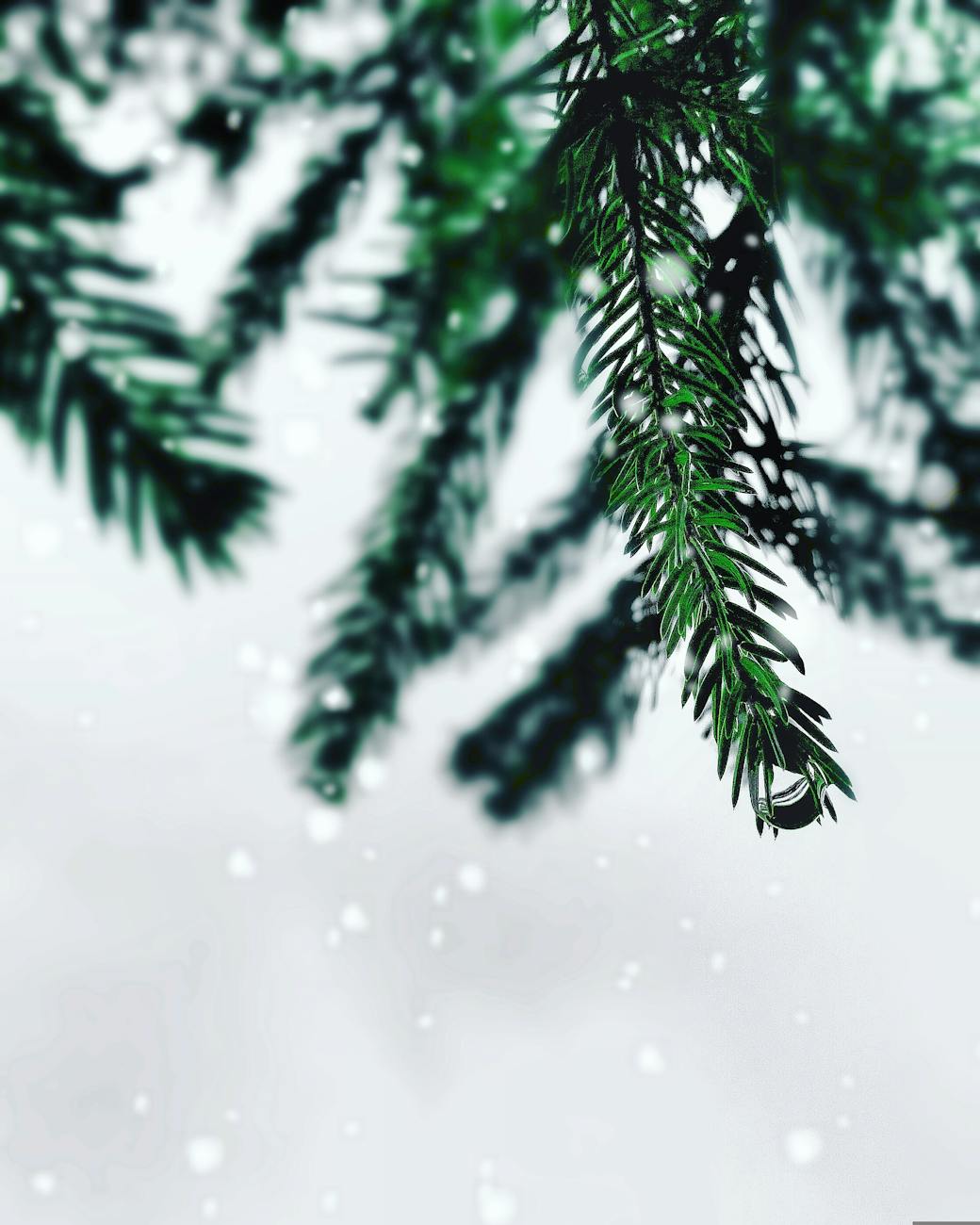
Photo by Vladislav Murashko on Pexels.com

Tree Selection

The most common tree species used for Christmas trees include Balsam Fir, Douglas Fir, Fraser Fir, Noble Fir, Scotch Pine, Virginia Pine and White Pine. If you have a lot of heavy ornaments, look for a Fraser Fir, Scotch pine, blue spruce or Black Hills spruce because they have stiff branches that will hold ornaments better. Balsam Fir is the choice for those looking for a Christmas tree scent. White pines can be used for areas where you prefer softer needles.

When choosing your tree, assess the tree condition. Walk around the tree to look for holes in the branching. Slightly tug on the needles that are on the tree to ensure they are tightly attached to the tree and have some flexibility. If the needles fall off with limited tugging, they are not going to last long in your home. Also, give the tree a good shake, if green needles fall off or if it has a lighter green color that is not a fresh tree. Brown needles will naturally fall from the interior of the tree, that doesn’t mean there is a problem with it.

Home Care

When you take your tree home, make a new cut on the stump of the tree to ensure a flat surface to sit on and to open pores at the base of the cut stump allowing water to flow through the tree. After cutting, be sure to place the tree into a bucket of water or into the stand with water immediately. If you do not plan to put your Christmas tree up in the home right away, place it in a cool, dark location, out of sunlight until you are able to put it in your home. Place the tree in a stand that holds at least 1 gallon of water and be sure to add water daily.

There are a lot of myths about adding things like sprite or aspirin to the water for your Christmas tree, however, research shows that just plain water works the best to ensure longevity for your tree. Just ensure that you maintain water in the tree stand at all times, once the tree runs out of water, those pores can start to clog again, and this will reduce the life of your tree in your home for the holidays.

Uncategorized

Poinsettias

With Christmas nearly here, I decided to share an article from our Extension Horticulturalist, Nicole Stoner on poinsettias.

Photo by Becerra Govea Photo on Pexels.com

A common holiday gift is the Poinsettia. If you receive one for Christmas this year, do you know how to care for it? Poinsettias are a staple for the Christmas season, but they don’t have to be a short-lived gift that is thrown away at the beginning of the year.  Typically, poinsettias are most commonly found in red, but the color range is constantly expanding. They can now be found in white, pink, green, peach, yellow, or marbled or speckled colors. On an old-fashioned poinsettia, the red-colored portion of the poinsettia is not the flower of the plant. The colored, leaf-like structures are called bracts, which are just modified leaves. The true flower of a poinsettia is the yellow center of the colored bracts.

Poinsettias need to be cared for during transport in addition to regular care. When you first purchase a poinsettia, you need to protect it as you transport it. Wrap it in a plastic bag when you take it outside to protect the plant from the cold, windy outdoor conditions. This should be done when you leave the store when you move it from your car to your home, and if you take it to another house as a gift. Remove that plastic bag each time it gets to the house. Once in its permanent location, remove the decorative foil wrapping from the pot of the plant. This foil can hold onto water for the plant but in a bad way. It can make it so that the plant roots are constantly wet and root rot can occur.

The care of a poinsettia can be easy. Water the plant when the soil becomes dry to the touch, but don’t wait until the plant wilts prior to watering again either. Place poinsettias where they will get indirect light for 6 hours a day. Keep the plant away from cold drafts and keep them from touching a window. This plant prefers temperatures of 60-70 degrees F during the day and 55 degrees F overnight. Avoid fertilization during the flowering period but fertilize monthly with a houseplant fertilizer during the rest of the growing season.

You can keep poinsettias year-round rather than discarding at the end of the Holiday season. After Christmas, grow the poinsettia like you would any other houseplant. Keep it evenly moist and in bright, indirect light. In February or March, cut back the plant to 4-6 inches in height. In May, repot into a larger pot. It can be placed outdoors in spring after frost. In the fall, bring the poinsettia indoors before night temperatures drop below 55-60 degrees F.

Poinsettias will flower after being induced by a photoperiod, like Christmas Cactus. It takes at least 12 hours of darkness per night to initiate flowering. Starting at the end of September, place the poinsettia in a closet or cover it with a box to keep it in total darkness from 5pm until 8am daily. Even the lights in our homes can interfere with the flowering cycle, so it needs to be completely dark around the plant. Once flowering begins, in mid-December, you may discontinue the daily dark period. It will help if you continue this until the bracts are fully expanded. Then, you can enjoy your poinsettia through the holiday season for years to come.

Wishing you and yours a Happy Holiday season!