
Programming

Ag Update & the Road Ahead

Recently at a Farmers & Ranchers College program, Dr. David Kohl shared his global perspective on current events and how they influence U.S. agriculture—insights that are always incredibly valuable. One of the highlights of his presentation was a “SWOT analysis” of the United States. While many businesses routinely use SWOT analyses to evaluate strengths, weaknesses, opportunities, and threats, it was fascinating to consider how this framework applies to an entire country.

Kohl noted that one of the United States’ greatest strengths is its abundant natural resources. Together, the U.S. and Canada hold 20% of the world’s water supply. The nation’s extensive river system also provides an efficient means of transporting goods. Additional strengths include a solid capital structure, legal system, and property rights; the global role of the U.S. dollar in trade; a strong educational system; an entrepreneurial economy; and the country’s historic position as a global influencer since World War II.

Weaknesses cited include political polarization, inconsistent policies, and declining trust in institutions. The U.S. also faces an aging population combined with a reactive healthcare system, a growing federal deficit, substantial budget obligations, a service-dependent economy, a widening concentration of wealth and income, and aging infrastructure paired with supply chain challenges.
Kohl highlighted that North America has tremendous potential when the U.S., Canada, and Mexico work together—representing 5% of the world’s population but 29% of the global economy. Additional opportunities include improving proactive healthcare to enhance quality of life, cultivating next-generation leadership at all levels, advancing as a global leader in applied technologies, and strengthening natural resource and environmental management.

Among the threats, Kohl warned of the likelihood of a catastrophic technology event that could disrupt major industries or even the country itself. He also identified the risk of a “brain drain,” as scientists and researchers leave the U.S. due to issues such as funding uncertainty, instability, perceived anti-science sentiment, and heavy recruitment from other global powers including the EU and China.
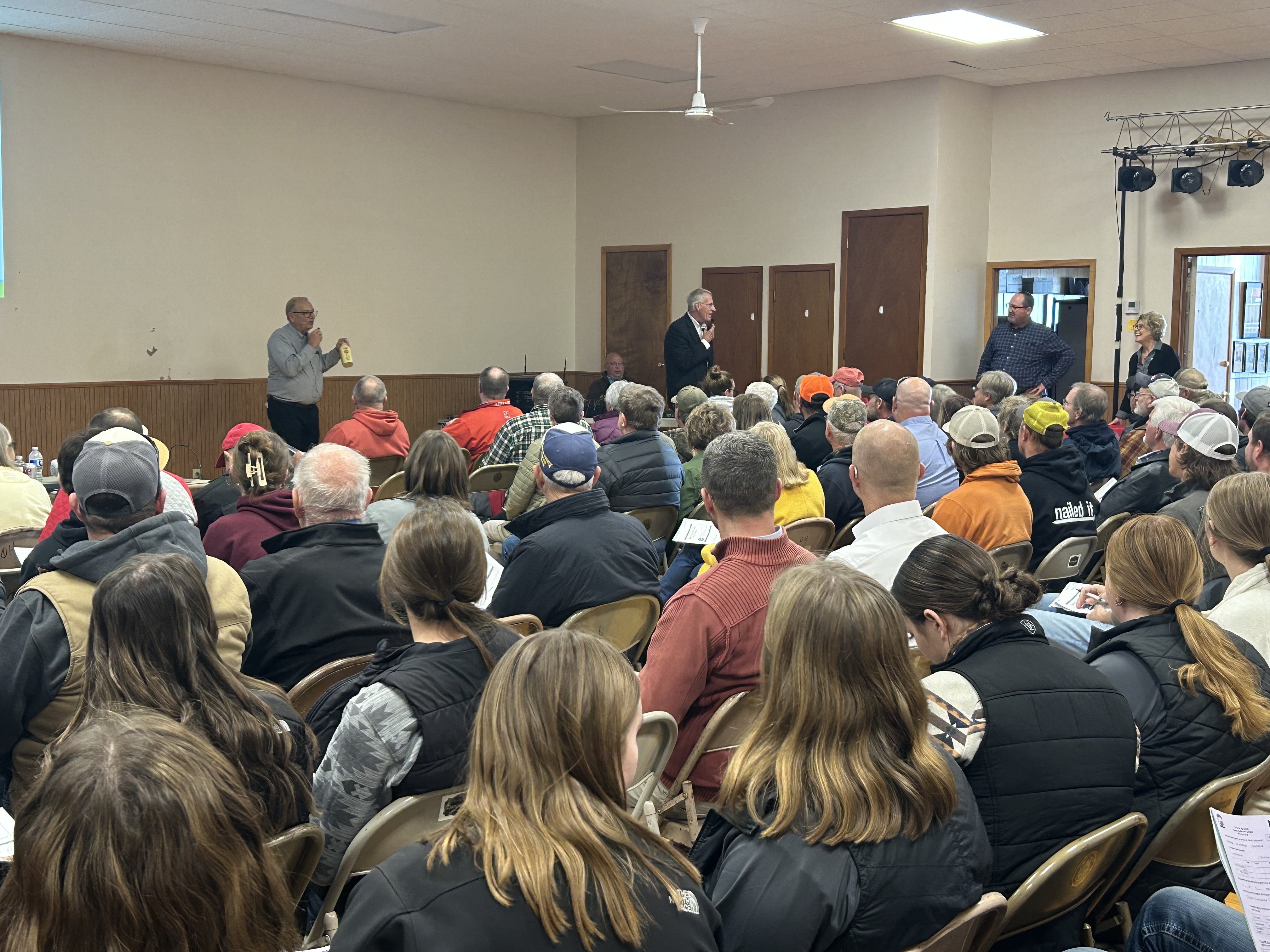
Dr. Kohl emphasized the critical importance of human interaction and communication. While artificial intelligence and other technological tools can help reduce workloads, they can never replace genuine human relationships. He reminded attendees that people need connection and purpose. Quoting a favorite saying, he noted, “It is better to have a good neighbor than their farm,” reinforcing the idea that being kind and building strong relationships matter far more than acquiring more land or expanding a business.

In conclusion, he provided leadership principles that stand the test of time:

  • Change occurs bottom up, not top down.
  • Manage the controllables, manage around the uncontrollable.
  • Quick money builds ego – disciplined principle-based strategy/activity results in resiliency, nimbleness, agility and character.
  • If you are going to lead, you must read!
  • Success is often measured in dollar signs. Significance is giving back and making a difference in people’s lives.
  • A successful culture and society must have success in agriculture.

It was great to see over 30 FFA members and community college students in attendance which Dr. Kohl praised and asked them each to share what they learned. He praised the 4-H and FFA programs for providing youth a purpose and developing life skills.
 

Uncategorized

Economic Megatrends of Agriculture

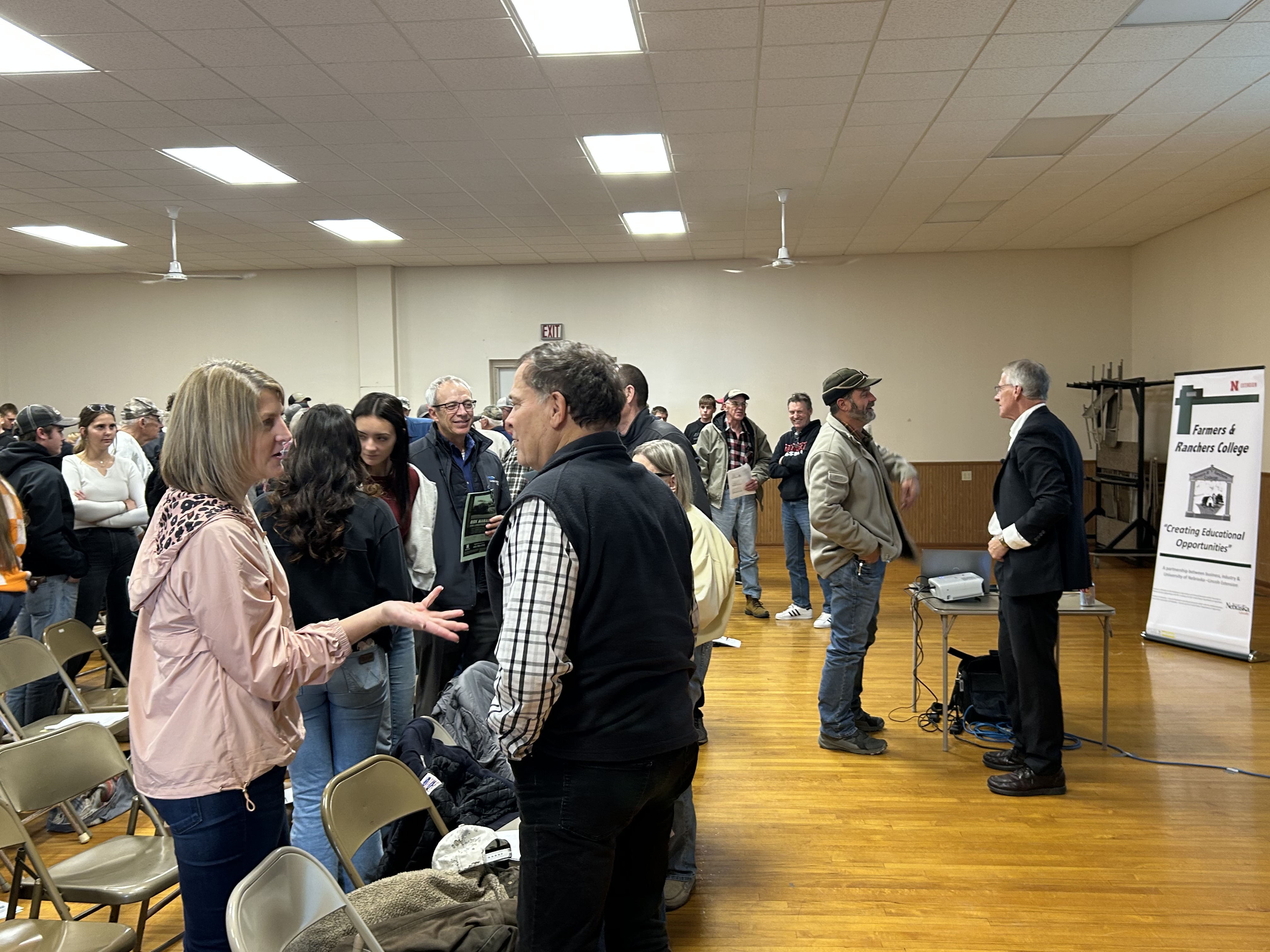
Recently at a Farmers & Ranchers College program, Dr. David Kohl emphasized the importance of following risk management strategies. As always, his global knowledge of events and how they impact U.S. agriculture is fascinating. Dr. Kohl coined three economic characters in the U.S. population to observe the future of the economy – ALICE, HENRY, and HERMAN.

First, the ALICE is Asset Limited, Income Constrained, and Employed. Kohl says this group “has been experiencing financial stress. After the stimulus monies were exhausted, their spending has been curtailed and they are building up credit card and consumer debt. Watch for increases in both credit card and consumer debt delinquencies. Despite this group’s economic and financial stresses, it is not enough to create a full-fledged recession.”

Then there is HENRY: High Earner, Not Rich Yet. Kohl describes this population segment that needing close monitoring. These individuals and households earn $100,000 to $300,000 annually but have difficulty purchasing a home because of large amounts of college debt and consumer spending. If this segment experiences job losses or significant changes in household income and purchasing power, this could push the economy into a recession.

The third character is HERMAN: High Earner, Rick, Mobile, Appreciated Net Worth. These individuals are high earners, rich, mobile, and have appreciated net worth often between $1 and 10 million dollars. If this group has job losses, paper wealth declines in stocks and homes, or loses flexibility and mobility in employment or marketplace dynamics, a recession could be deep and extended. Dr. Kohl said economists and business executives expressed concerns that there is a possibility of a recession in 2025 and that the economy is very fragile to external events.

Dr. Kohl provided many important reminders about caring for one’s physical and mental health. Maintaining a balance between business and life is important in any career, including agricultural producers. Eating a balanced diet, drinking water, exercising, and getting enough sleep are important physically. Mentally, shut off technology and unplug every day, know your life’s purpose, participate in faith or spiritual activities, engage in mental activities, and surround yourself with a supportive network. He praised the 4-H and FFA programs for providing youth a purpose and developing life skills.

To the over 30 students in attendance, he reminded them of the importance of goal setting. Eighty-six percent of the U.S. population have no goals and of the 16% that do, only 4% write them down. Those who write down their goals are much more likely to be successful than those who don’t. Reviewing his Business IQ Management Factor list, he emphasized that some of the hardest questions on his Business IQ list were the ones relating to those having a family succession/transition plan and one’s attitude. Having a positive attitude is important for anyone to succeed.

He also emphasized that youth and/or beginning farmers should work with the older generation to do a narrative or history of the family farm or ranch to preserve the family legacy, ideals, and purpose. Also, to remain positive, practice gratitude. He encouraged everyone to write thank you notes to those who have helped them in some way; they should be hand-written which means a lot more than an email.

In conclusion, there are many factors that determine a successful farm or ranch. Don’t forget to remain engaged with the world, regional, and local economics, and know your cost of production and financial numbers, but it is just as important to take care of yourself and your family. Practice effective physical and mental practices to keep you healthy. As we are in this holiday season, I wish you and yours the best.