
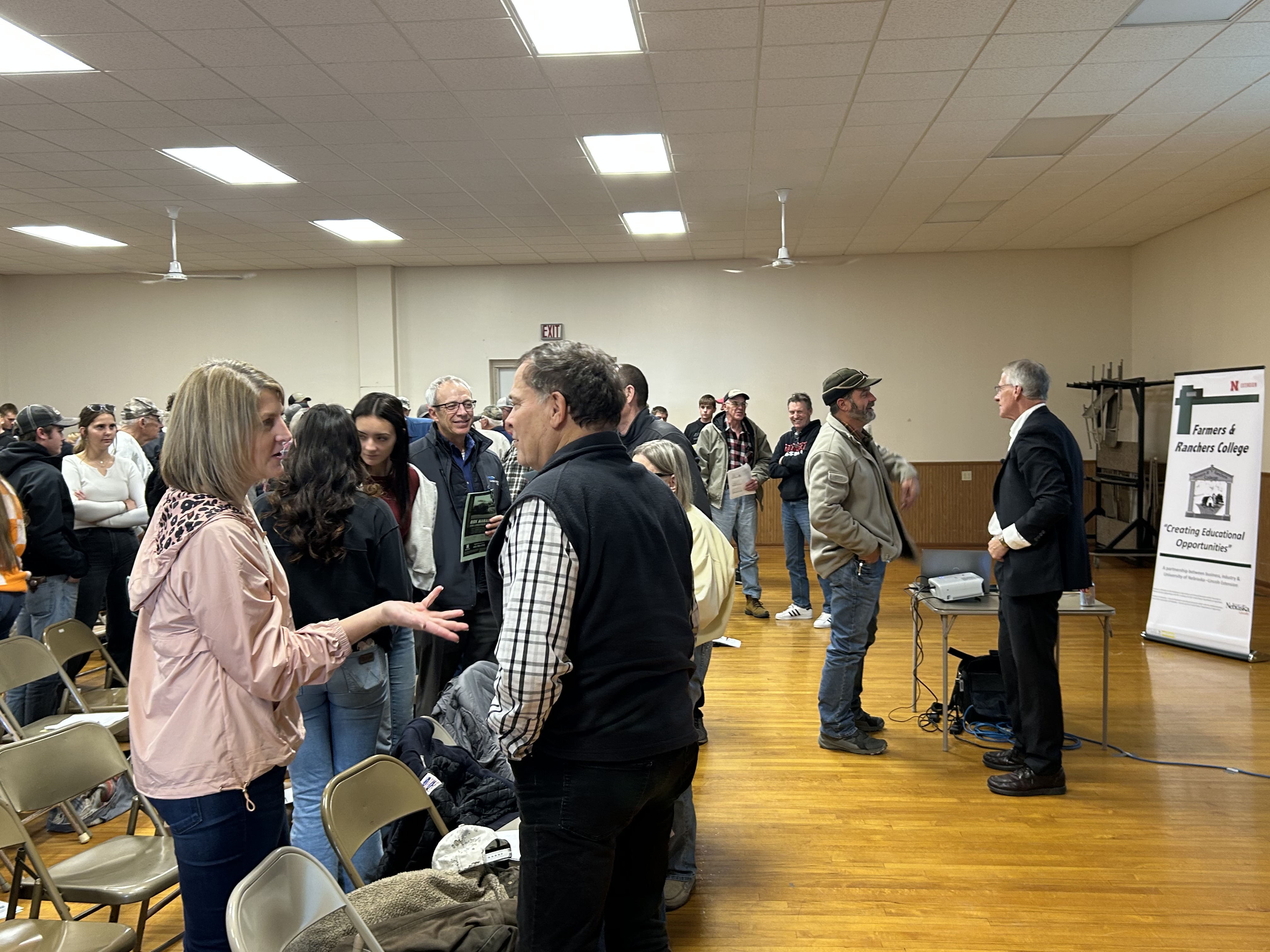
Recently at a Farmers & Ranchers College program, Dr. David Kohl emphasized the importance of following risk management strategies. As always, his global knowledge of events and how they impact U.S. agriculture is fascinating. Dr. Kohl coined three economic characters in the U.S. population to observe the future of the economy – ALICE, HENRY, and HERMAN.
First, the ALICE is Asset Limited, Income Constrained, and Employed. Kohl says this group “has been experiencing financial stress. After the stimulus monies were exhausted, their spending has been curtailed and they are building up credit card and consumer debt. Watch for increases in both credit card and consumer debt delinquencies. Despite this group’s economic and financial stresses, it is not enough to create a full-fledged recession.”
Then there is HENRY: High Earner, Not Rich Yet. Kohl describes this population segment that needing close monitoring. These individuals and households earn $100,000 to $300,000 annually but have difficulty purchasing a home because of large amounts of college debt and consumer spending. If this segment experiences job losses or significant changes in household income and purchasing power, this could push the economy into a recession.
The third character is HERMAN: High Earner, Rick, Mobile, Appreciated Net Worth. These individuals are high earners, rich, mobile, and have appreciated net worth often between $1 and 10 million dollars. If this group has job losses, paper wealth declines in stocks and homes, or loses flexibility and mobility in employment or marketplace dynamics, a recession could be deep and extended. Dr. Kohl said economists and business executives expressed concerns that there is a possibility of a recession in 2025 and that the economy is very fragile to external events.
Dr. Kohl provided many important reminders about caring for one’s physical and mental health. Maintaining a balance between business and life is important in any career, including agricultural producers. Eating a balanced diet, drinking water, exercising, and getting enough sleep are important physically. Mentally, shut off technology and unplug every day, know your life’s purpose, participate in faith or spiritual activities, engage in mental activities, and surround yourself with a supportive network. He praised the 4-H and FFA programs for providing youth a purpose and developing life skills.
To the over 30 students in attendance, he reminded them of the importance of goal setting. Eighty-six percent of the U.S. population have no goals and of the 16% that do, only 4% write them down. Those who write down their goals are much more likely to be successful than those who don’t. Reviewing his Business IQ Management Factor list, he emphasized that some of the hardest questions on his Business IQ list were the ones relating to those having a family succession/transition plan and one’s attitude. Having a positive attitude is important for anyone to succeed.
He also emphasized that youth and/or beginning farmers should work with the older generation to do a narrative or history of the family farm or ranch to preserve the family legacy, ideals, and purpose. Also, to remain positive, practice gratitude. He encouraged everyone to write thank you notes to those who have helped them in some way; they should be hand-written which means a lot more than an email.
In conclusion, there are many factors that determine a successful farm or ranch. Don’t forget to remain engaged with the world, regional, and local economics, and know your cost of production and financial numbers, but it is just as important to take care of yourself and your family. Practice effective physical and mental practices to keep you healthy. As we are in this holiday season, I wish you and yours the best.
 Views from VanDeWalle