
With Thanksgiving around the corner, I took information from Purdue University’s Center for Food Demand Analysis and Sustainability to examine potential prices of a Thanksgiving meal. The poultry industry has faced many challenges with highly pathogenic avian influenza (HPAI) that first appeared in February 2022. Unlike temporary market disruptions, HPAI has been a persistent challenge for producers. Purdue’s model predicts an average retail price of approximately $2.05 per pound which is 25% higher than a year ago, making a typical 15-pound turkey costing around $31. There is a wide variation in retail prices driven by quality and some grocery retailers that sell other items may offer significant discounts on turkey to attract customers. Consumers with time to compare prices can find substantial savings this season Not everything increased in price. Potato prices have dropped 0.5% since last year and bread prices are down approximately 5.6% since last year.
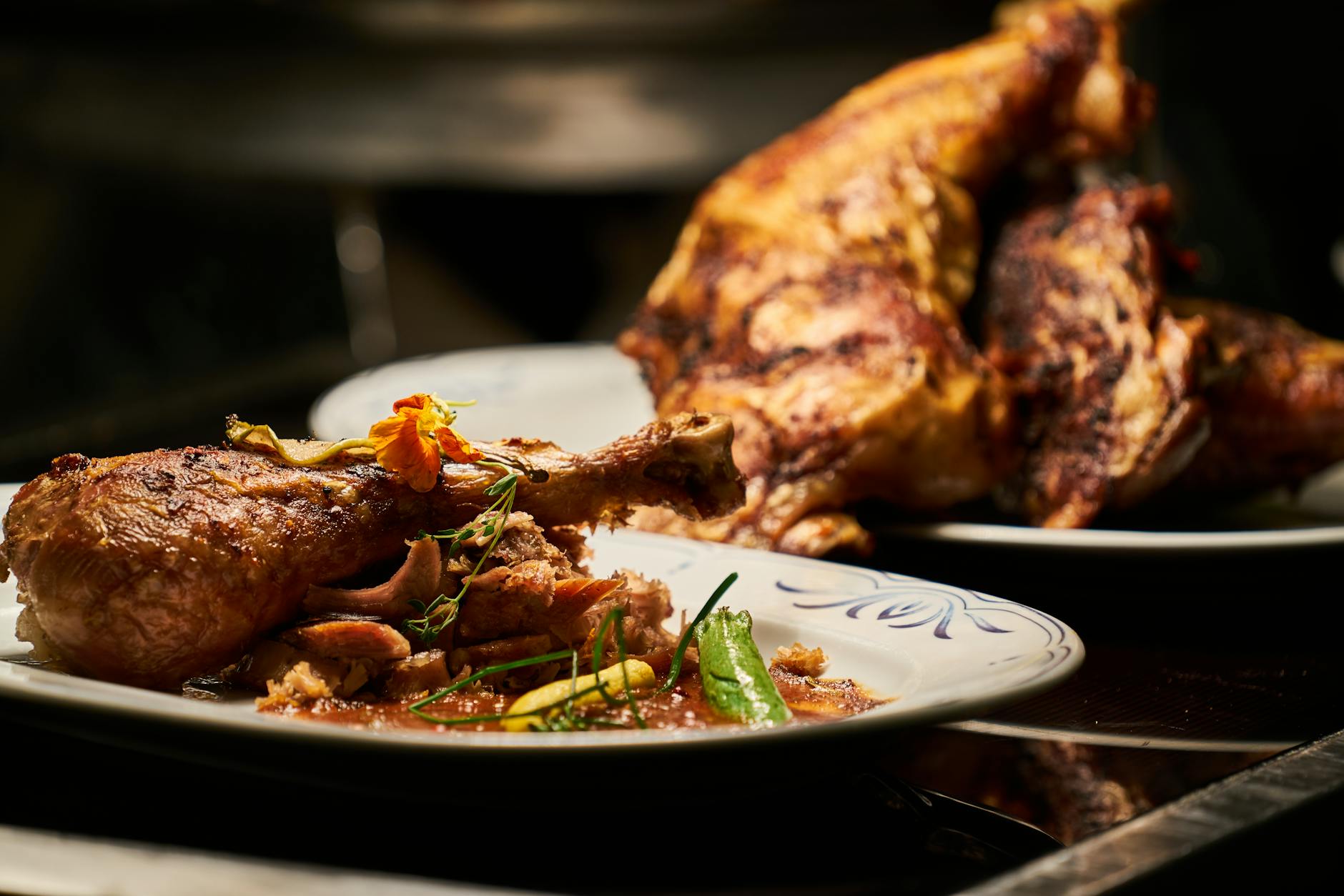
The American Farm Bureau Federation annually calculates the cost of a Thanksgiving meal to serve 10 people with plenty for leftovers. This year, with a traditional Thanksgiving meal, Farm Bureau estimated a meal total to land between $63 and $65. Last year, it was $58 so this is a potential increase of about 10%. Included in the meal is a 16-lb. turkey, bread stuffing, sweet potatoes, rolls with butter, peas, cranberries, a relish tray of carrots and celery, pumpkin pie with whipped cream and beverages of coffee and milk. These are just estimates as their final report hasn’t been released as I write this article. Nonetheless, do some cost comparisons to save some money.
You can thank our American farmers and ranchers who are able to provide us the bounty of safe and affordable food. Another interesting fact about Thanksgiving is that 88% of Americans are expected to be feasting on turkey for Thanksgiving this year (National Turkey Federation). The NTF also said that 65% of American roast their turkey in the oven, while 10% smoke, 7% air fry, 7% fry, or 7% grill the turkey. According to the National Turkey Federation, the top turkey-producing states are Minnesota, North Carolina, Arkansas, Indiana, Missouri, Virginia, Iowa and California. The United States is the world’s largest turkey producer, and a major exporter of turkey products.
Now let’s talk trivia:
Q: Why are turkeys raised? A: Because of their excellent quality of meat and eggs
Q: What is a male turkey called? A: Tom
Q: What is a female turkey called? A: A Hen
Q: What sound do turkeys make? A: Only tom turkeys gobble; the female makes a clucking sound.
Q: How many feathers does a turkey have at maturity? A: 3,500 feathers
Q: How big was the heaviest turkey ever raised? A: 86 pounds, about the size of a large dog
Q: Which gender of turkeys are usually consumed whole? A: Hens (females) are usually sold as whole birds. Toms (males) are processed into turkey sausage, turkey franks, tenderloins, cutlets and deli meats.
Q: How long does it take a turkey to reach market size? A: Hens usually grow for 16 weeks and are 8-16 lbs. when processed while tom usually takes 19 weeks to reach market weight and weighs 24 lbs. Large toms (24-40 lbs.) are a few weeks older.
Regardless of what you do this Thanksgiving, remember to be thankful for what really matters.
If you need tips or resources to help you prepare a turkey or any other food for Thanksgiving, go to Nebraska Extension’s Food Website at https://food.unl.edu/article/thanksgiving-central.
Thanksgiving Food Safety
Interesting fact, the day after Thanksgiving is the biggest food borne-illness day of the year. Nebraska Extension continues to do their part to help our clientele remain heathy and have good food safety practices. The following are from Extension Educator Cindy Brison and our Food Safety Team.
One of the most frequently asked questions around Thanksgiving is “How do I thaw a frozen turkey?” …including on Thanksgiving morning! The answer to this question is an important step in meal prep for food safety. Unsafe handling and undercooking the turkey can cause foodborne illness. For information on thawing your turkey and more: https://food.unl.edu/how-thaw-turkey
Do not wash or rinse your raw turkey! Avoid washing or rinsing a turkey (or any eggs, meat or poultry products for that matter) before cooking. Juices can transfer bacteria onto kitchen surfaces, other foods and utensils. If you must wash or rinse your turkey because of brining or other marinating processes, be sure to thoroughly clean and then sanitize all kitchen surfaces to eliminate the risk of cross-contamination. For more safety tips: https://go.unl.edu/washingturkey
 Views from VanDeWalle