
With wildfires impacting communities across Nebraska—and knowing friends who have been deeply affected—I began looking for ways Nebraskans can support one another, especially when it comes to mental health. In that search, I found a timely and meaningful article by Michelle Krehbiel titled “Taking the Time to Listen.” I’ve included it below, as its message applies not only to wildfires, but to any disaster situation where support, empathy, and connection are needed most.
Springtime in Nebraska can be a roller coaster. 70 degrees and sunny one day to blowing snow and 30 degrees another day. Mother Nature appears to either be angry or simply confused. The weather extremes this year include drought, intense winds, and temperature swings. Recently, parts of the state have experienced uncontrolled fires which have left some Nebraskans with destroyed property, loss of potential income, and even loss of life. The most recent natural disaster in Nebraska reminds us of the uncertainties of daily living.
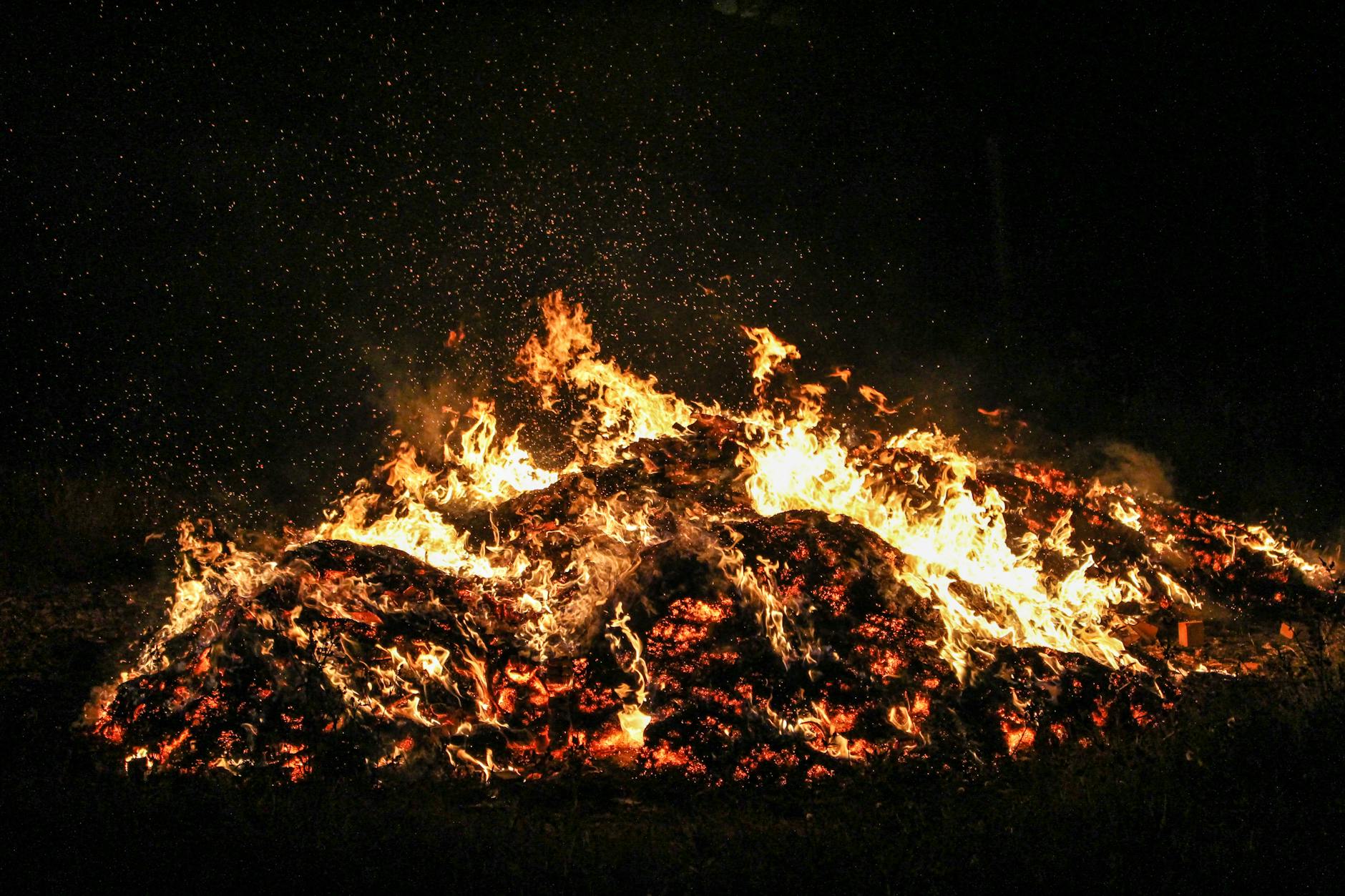
Nebraskans pride themselves on taking care of one another when they are faced with loss and adversity. This generosity has been witnessed by people who donate money, their time, or work to bring awareness about a specific issue or event. The COVID-19 pandemic and the 2019 flood are two examples of how individuals have come together to aid and care for their neighbors, friends, and communities.
People coming together to help each other is critical in taking the beginning steps of recovery from a disaster. Specifically, having someone to talk to is a key component of recovery from trauma. There are times when you are in the role as the listener and at other times you may be the person needing the listening ear. If you are the person in the role as a listener here are some tips to increase your effectiveness.
Be there for others. This may be a physical presence, or it may be in the form of a phone call, video chat, or text message. Invite others to share with you about their day or experience. A text, of “How are you doing?” can send the message I care about you, and I am interested to know what is happening with you.
Listen and watch. A good listener asks open ended questions like, “How are you feeling?” or “Tell me more about your experience.” Good listeners allow the person to talk. Asking follow-up questions that encourage the other person to speak shows that you are interested and are attentive to what the other is saying. “Tell me more” is comment that you can make to enable a person to continue to share.
Sharpen your communication skills. Does your body language say you care or are paying attention? Maintaining appropriate eye contact and physical touch can communicate your interest in what the other person is saying. Being comfortable with silence in the conversation can also show respect to the other person. It can allow them the time and space they need to process thoughts and feelings. Resist the urge to offer quick advice or pass judgement. Often this type of communication is not helpful or productive. It can lead to negative feelings.
Normalizing Feeling and behaviors. A person who experiences trauma from a disaster can often feel a vast range of emotions in an hour, day, or a week. There is no “right” way to feel after an intense experience. As a listener you can acknowledge the feelings of the person by saying, “It sounds like you are feeling….. or “That must have been difficult/frustrating/frightening” or “That sounds like a common reaction to…”
Take care of yourself. Being a good friend, neighbor, or community member can be tiring. Listening to someone’s story or trauma can be upsetting, disturbing, and simply hard. These thoughts and feelings are common. When one is empathic it is easy to take on the feelings of others which can lead to your own feelings of being overwhelmed. Self-care is important when engaging in listening. Activities like self-reflection, mediation, exercise, or participating in a hobby are examples of self-care. By taking his time for yourself will help you be able to give of yourself more fully.
The next couple of months more storms will be on the horizon. Engaging in listening for those impacted by the latest storms will be just one way to assist with recovery, practice kindness, and build community.
* This article is based on Peer Listening written by the Sea Grant: Mississippi-Alabama Sea Grant Consortium
 Views from VanDeWalle