
Uncategorized

Resiliency: What is It?

Resiliency: what is it and why is it important?  In short, resiliency is the “ability to bounce back from challenges or hardships”. According to the Center on the Developing Child from Harvard University, “Reducing the effects of significant adversity on children’s healthy development is essential to the progress and prosperity of any society. Science tells us that some children develop resilience, or the ability to overcome serious hardship, while others do not. Understanding why some children do well despite adverse early experiences is crucial because it can inform more effective policies and programs that help more children reach their full potential.”

According to the Connect with Kids network, adapted from “Project Resilience”, there are

seven attributes that describe ways you can show resiliency when facing challenges. Keep in mind that you – like most people – may show some, but not all, of these attributes/strengths when faced with difficult situations.

  • INSIGHT—Having insight means asking questions of yourself, even when the questions are difficult. If you answer honestly, you can learn and move forward. Having insight helps you understand the problem and how to best solve it. Insight helps you analyze the situation from as many perspectives as you can.
  • INDEPENDENCE—Showing independence means keeping a healthy distance between yourself and other people so you can think things through and do what is best for you. It also means knowing how to step away from people who seem to cause trouble or make things worse by their words or actions.
  • RELATIONSHIPS—Building relationships means finding connections with people that are healthy for both of you and keeping those relationships growing.
  • INITIATIVE—Taking the initiative means taking control of the problem and working to solve it. It means asking questions of yourself and answering them as honestly as you can, so you can move past a sticky situation. Sometimes people who take initiative become the leaders in activities and teamwork.
  • CREATIVITY—Using creativity requires that you use your imagination or resourcefulness to express your feelings, thoughts, and plans in some unique way. Remember that when you make something happen, it shows resiliency of spirit and a positive attitude.
  • HUMOR—Humor is the ability to find something funny (especially yourself!) in a situation, even when things seem bad. Humor often gives you the perspective needed to relieve tension and make a situation better.
  • MORALITY— Being a person of morality means knowing the difference between right and wrong and being willing to choose and stand up for what is right.

In conclusion, it is important for both youth and parents to communicate ways how they can adapt to change, stress or problems and are able to take things in stride. The result of this bouncing back is a feeling of success and confidence.
Uncategorized

Gratitude Improves Health & Well-Being

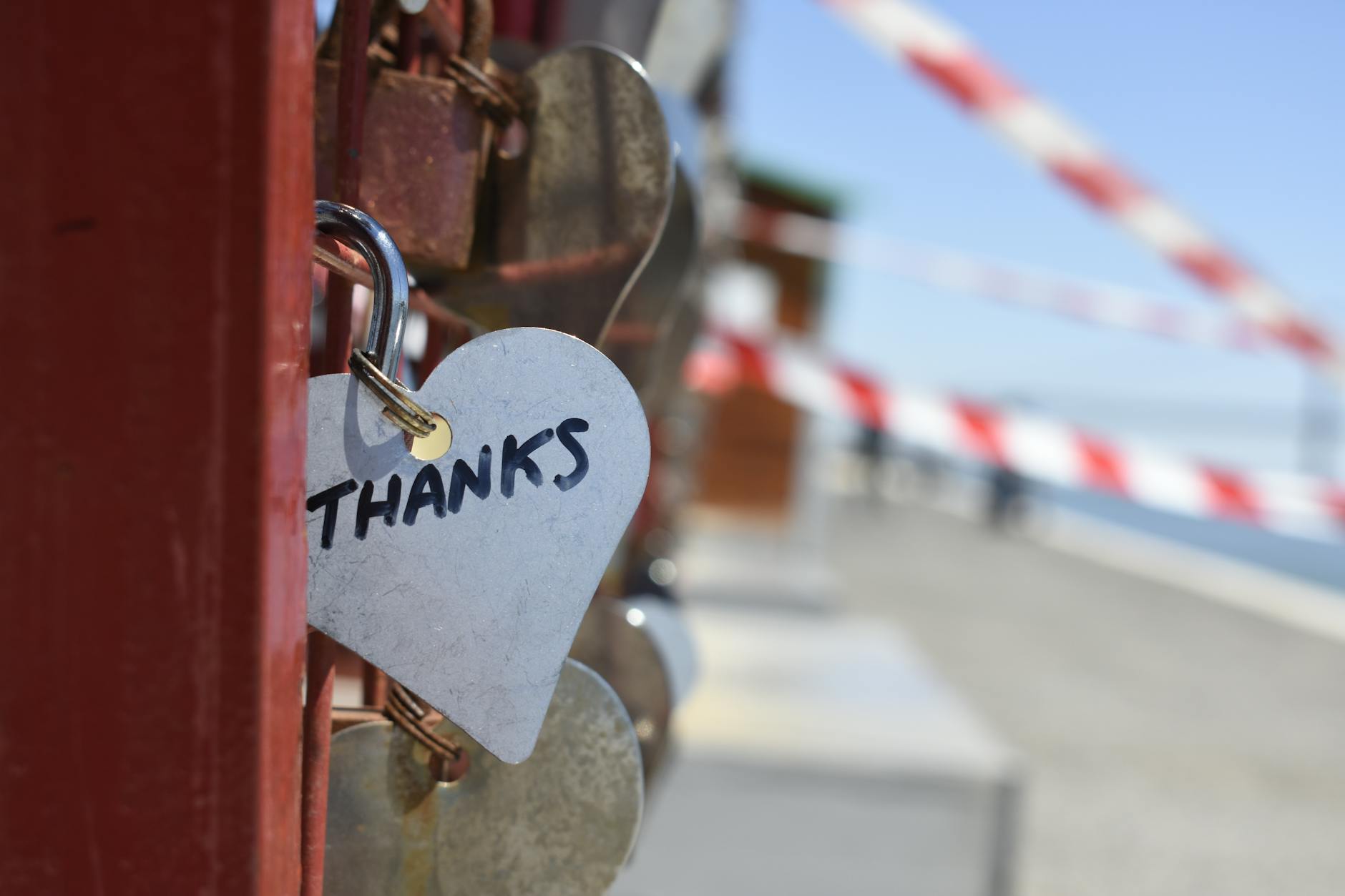
With November quickly approaching, many people think about Thanksgiving. The word “thanksgiving” means the act of expressing or feeling thankfulness. If you are a parent like me, how often do you tell your children to “say thank you” after receiving something from someone?  When my kids automatically say, “Thank you”, it brings joy to my heart. By teaching youth to automatically say those two small words, my hopes are that it will lead to writing thank you notes and expressing warm words of gratitude to those around them.

Photo by Marcus Wu00f6ckel on Pexels.com

The art and practice of handwriting “thank you notes” can sometimes get lost with all the electronic methods of communication.  When I receive a handwritten thank you that really brings gladness to my heart, I put it in a special file folder on my desk.  Some of those thank you notes are from 4-H’ers, 4-H Alumni, interns, coworkers, etc.  As I write this, I even have a thank you note displayed on my desk from a summer adult 4-H volunteer. As the receiver of a thank you note, I can say it is nice to receive meaningful mail, rather than bills or advertising, but writing thank you notes also brings happiness to my heart. 

Two researchers from Indiana University, Drs. Brown and Wong (2017) researched an authored an article that provides the following psychological benefits of practicing gratitude.

  1. Gratitude unshackles us from toxic emotions. When you write about how grateful you are to others and how much other people have blessed your life, it might become considerably harder for you to ruminate on your negative experiences.
  2. Gratitude helps even if you don’t share it. The mere act of writing a thank you letter can help you appreciate the people in your life and shift your focus away from negative feelings and thoughts.
  3. Gratitude benefits take time. If you participate in a gratitude writing activity, don’t be too surprised if you don’t feel dramatically better immediately after the writing. You might have that quick “rush” of feeling thankful, however, the bigger benefits of gratitude might take time to kick in weeks after your gratitude activity.
  4. Gratitude has lasting effects on the brain. Their research suggested that brain activity was distinct for those who felt more grateful, than those who only performed an act of gratitude related to guilt. Those who were more grateful showed greater activation in their medial prefrontal cortex.

University of Southern California (2019) also found evidence that gratitude can have profound health benefits and provided suggestions on how to practice gratitude. Some of the most effective approaches include maintaining a gratitude journal, writing personal thank-you notes and regularly expressing gratitude to others in person. One might also practice guided meditation, call someone to express thanks or write a note to a friend.

It can be easy to get down with all the negativity on social media, the news or being around negative people, but reminding oneself of the many things one should be thankful for can help improve one’s wellbeing.  I am thankful to all of you who have read my weekly column and support Nebraska Extension!