As many people know, 4-H is often associated with livestock shows, static exhibits, contests, and county fairs. While those are all important, they are only part of the story. The true value of 4-H extends far beyond ribbons, trophies, and project displays. At its heart, 4-H is a youth development organization focused on helping young people gain the skills they need to succeed in life. Every project, activity, and experience is designed to help youth learn by doing. Through hands-on learning, young people develop confidence, responsibility, leadership, communication skills, and problem-solving abilities.
A 4-H member showing an animal at the county fair is learning much more than animal care. They are developing time management skills by following feeding schedules, learning record-keeping, and gaining resilience when things do not go as planned. They learn how to set goals, work toward them, and adjust when challenges arise.
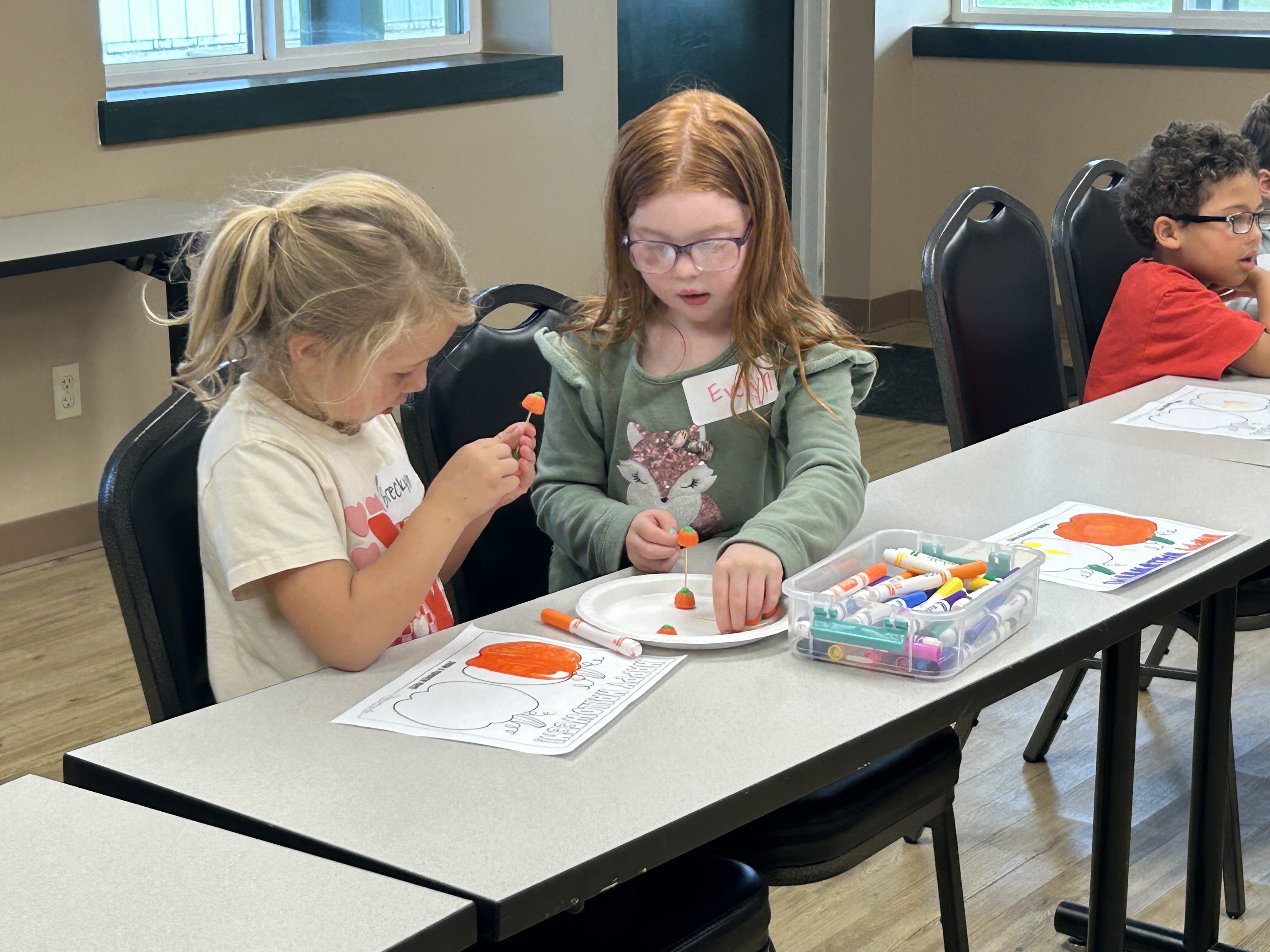
The same is true across all 4-H project areas. A youth involved in photography learns creativity and attention to detail. A member participating in robotics develops critical thinking and teamwork skills. Clover Kids and younger members discover curiosity, cooperation, and a love of learning through hands-on activities and exploration.
Leadership is another cornerstone of the 4-H experience. Youth have opportunities to lead meetings, serve on committees, plan community service projects, and mentor younger members. These experiences help them develop the confidence to speak in front of groups, work with others, and become active contributors in their communities.
Perhaps one of the greatest lessons 4-H teaches is that mistakes are part of learning. Not every project will turn out perfectly, and not every goal will be achieved on the first attempt. Through these experiences, youth learn perseverance, adaptability, and the importance of continuing to try even when faced with setbacks.
In today’s world, employers consistently identify skills such as communication, teamwork, critical thinking, and leadership as essential for success. These are the same skills youth develop every day through 4-H experiences. When we see young people participating in 4-H, it is important to remember that they are not simply completing projects. They are building character, developing life skills, and preparing for future opportunities. The project may last a season, but the lessons learned often last a lifetime.
During the fall, members complete record books documenting their progress, so as we celebrate the accomplishments of our local 4-H members, let’s recognize that the ribbons and project exhibits represent something much bigger. They represent young people growing into capable leaders, engaged citizens, and lifelong learners.
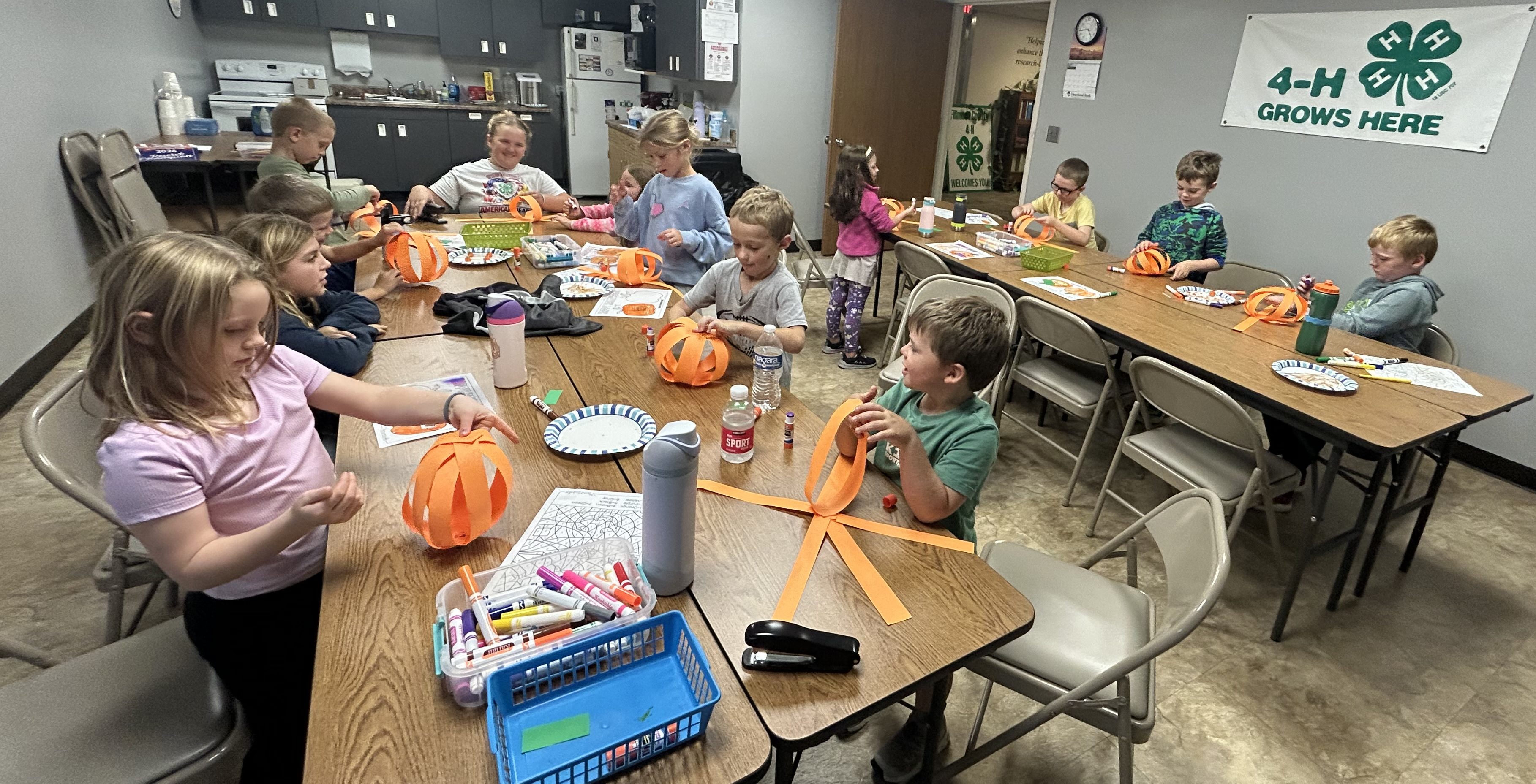
Each month, I teach Clover Kid aged members in Geneva, along with two amazing volunteers who teach monthly afterschool programs at Exeter and Shickley. While youth explore a particular topic and might learn about pumpkins or a STEM-related skill, what they are really learning is critical thinking, persistence, patience and much more.
To learn more or join 4-H, contact the Clay (402-762-3644) or Fillmore (402-759-3712) County Extension Office.


