Crops

Nebraska On-Farm Research Network’s Projects

Growers who are interested in side dressing a portion of fertilizer nitrogen are encouraged to take a look at Maize-N, a decision support tool for N recommendation. Nitrogen management for corn may be improved by applying a portion of N during the growing season. This allows N fertilizer availability to more closely synchronize with the time when the crop is rapidly up-taking nitrogen.

Maize-N is a computer program developed at UNL that simulates fertilizer requirement for corn. The estimation of N fertilizer requirement in Maize-N is based on user input information on the current corn crop, last season’s crop, tillage, crop residue management, basic soil properties, fertilizer management, and long-term weather data of the field. The program first simulates corn yield potential and its year-to-year variation. It then estimates the economically optimal N rate of fertilizer to apply.Maize N input.PNG
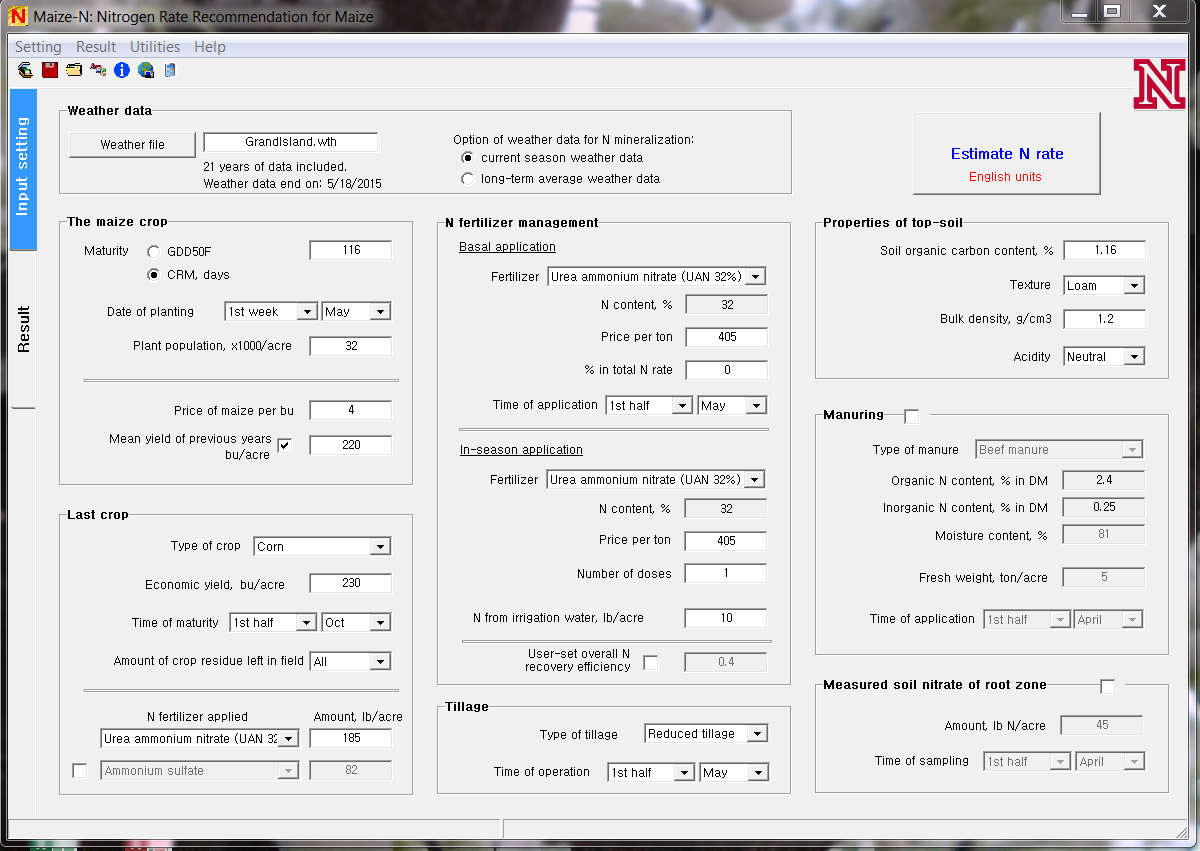
This year, the Nebraska On-Farm Research Network is working with a number of growers to evaluate Maize-N. The study involves 2 treatments: producer’s sidedress nitrogen rate and the Maize-N sidedress nitrogen rate.

There is still time to get involved with this project and evaluate this tool for nitrogen management. You can schedule a meeting to go through the Maize-N tool to generate the nitrogen recommendation for your field. Contact Laura Thompson at 402-624-8033 or laura.thompson@unl.edu. More information about the Maize-N study is available at http://go.unl.edu/MaizeN.

Another project that growers can participate in is a late-planted soybean population research project. With consistent rain events in portions of the state, many producers still have soybeans to plant. Producers and agronomists question whether they should increase soybean seeding rates when planting soybeans late in the season due to weather delays or replant situations. Late planted soybeans form fewer nodes per plant resulting in fewer places to set pods. The thinking is that increasing seeding rates will compensate for this as well as increase canopy cover and capture more sunlight.

Most universities have suggested increasing seeding rates when planting soybeans in June. However, research done in Iowa showed that soybean seeding rates don’t need to be increased as planting is delayed to early June. Previous on-farm research conducted in Nebraska on soybean seeding rates was conducted in April and May. The results suggest that seeding rates greater than 120,000 seeds per acre (with a final stand of 100,000 plants per acre) rarely increase yield. Is the same true of soybeans planted in June? The protocol is available at go.unl.edu/latesoybean.

Finally, the Nebraska On-Farm Research Network is partnering with industry to research several products available to farmers. The studies are designed using randomization and replication so that the effect due to the treatment being studied can be evaluated. The products being studied include: seed treatment for Sudden Death Syndrome (soybean), growth promoter (corn), growth stimulator (corn and popcorn), and fertilizer Additive (corn).

For more information and to view detailed study protocols on these topics and more, visit http://cropwatch.unl.edu/farmresearch/protocols

If you have interest in conducting a study or would like more information, contact me, Keith Glewen, kglewen1@unl.edu, 402-624-8005 or Laura Thompson, laura.thompson@unl.edu, 402-624-8033.
Crops

On-Farm Research App Puts Resources at Your Fingertips

Since I have been working with the Innovative Youth Corn Challenge, I have had the goal to engage youth in agronomy-related fields and what better way than to include technology! With the assistance of a great team of Nebraska Extension faculty, accessing resources from On-Farm Research is now available at your fingertips – in the field, in the tractor or truck, or wherever you want to use the research app.  The research app launched in April 2015 is available for iPhone, iPad and Android users. This tool has multiple uses; from the producer working in the Nebraska On-Farm Research Network to doing plot work on their own and more!IMG_2912

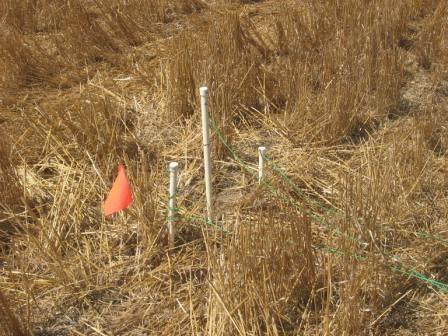
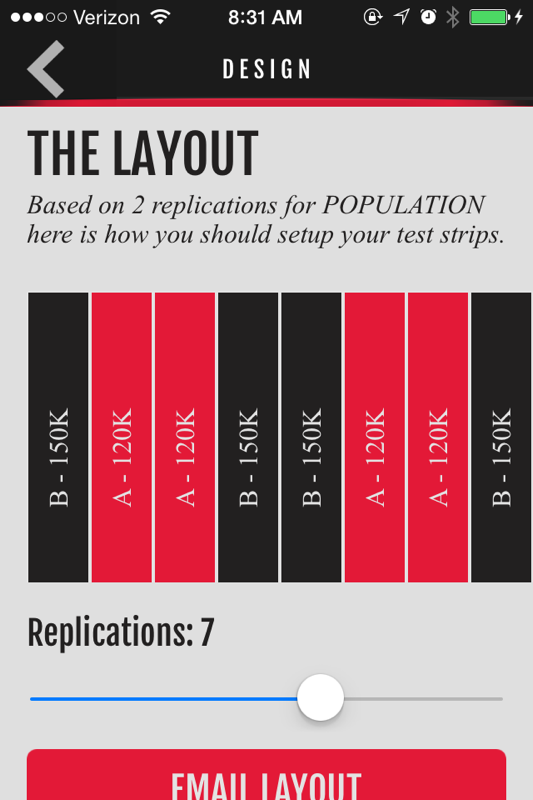
The app enables users to create treatment strips in their own fields and develop a map of their research study. Once the field is created the user has the ability to enter periodic observations related to insects, diseases, weeds, irrigation totals, or other key observations, including photos. At the conclusion of the research trial, the user inputs the harvest results and exports them to an excel file.  The plot layout, observations, and yield data can all be emailed at any time as an excel file. The data collected will be beneficial to both the app user and to those evaluating the data and results with the Nebraska On-Farm Research Network.

Keith Glewen, Nebraska Extension Educator, has assisted with the app from the beginning and notes, “This app is the first known smartphone tool available for growers to easily develop their own infield on-farm research trials”. The Nebraska On-Farm Research Network is an opportunity for crop producers and University faculty to work closely and generate un-biased, research-based answers at the field level. Participants have the opportunity to work closely with UNL faculty in designing projects, carrying them out, and analyzIMG_2913ing the results.

Laura Thompson, Extension Educator became involved and has statewide responsibilities with the Nebraska On-Farm Research and provided much technical information. Laura stated, “The power of on-farm research is being able to sort out the inherent field and environmental variability and to determine if differences are the result of the treatment being studied effect. This app makes it simple to set up and visualize a well-designed study that will address questions growers are interested in. The introduction of this app is just one more way we are working with on-farm research participants to collect information that is important to them and to farmers all across the state.”

This app provides youth the opportunity to become engaged with the scientific aspects associated with on-farm research. There is no fee to join the network. The mission of the Nebraska On-Farm Research Network is to assist growers in increasing production, reducing inputs, and maintaining or improving profits. To learn more about the Nebraska On-Farm Research Network and the smartphone app, go to: http://cropwatch.unl.edu/farmresearch.

Crops, Irrigation

NE Ag Water Management Network

Planting has been well underway and hopefully we will receive some timely rainfall with little need to irrigate. If you have irrigated ground and are looking for ways to save money, reduce nutrient loss and use less water, consider joining the Nebraska Agricultural Water Management Network, or NAWMN. I’ve been in Extension for nearly ten years and a program I’ve been involved with that has been a very rewarding program and made a positive impact for many is the Nebraska Agricultural Water Management Network, or NAWMN. Evaluation results have shown a one to two inch savings of irrigation since it’s inception. In 2005, only a few producers in the Upper Big Blue NRD, (shortly followed by the Little Blue NRD) were participating, but as of last fall, this program has reached 1,229 in 18 NRDs and 73 of 93 counties. The Network has been having significant impacts on both water and energy conservation due to farmers adopting information and implementing technologies in their irrigation management.

Those wishing to participate in the program receive assistance installing equipment and education on how to read the equipment.

A couple of the tools we use are ETgages® or Atmometers which mimic crop evapotranspiration or ET and Watermark soil matrix sensors which measure soil matric potential or the energy required to remove water from the soil. These two tools have really worked well and have made irrigation management much easier than those gut feelings. The more information you have the better decisions you can make!

If you would like to participate in this dynamic program, let me know and I’d be happy to help and get you started! If you are in the NAWMN, consider installing your ETgage soon and once done with planting, start the soaking/drying cycle on your Watermark sensors to be sure they work! It’s also important to replace the #54 alfalfa canvas covers and wafers on a regular basis at the start of each season. For more information, go to: http://water.unl.edu/web/cropswater/nawmdn.

Crops, Programming

National Agriculture Day

National Agriculture Day, March 18, spotlights American agriculture and serves as a reminder that agriculture is part of us all. The U.S. Agricultural Safety and Health Centers join producers, agricultural associations, corporations, students and government organizations in marking this occasion.AgDayLogo

“National Agriculture Day is an opportunity for us to acknowledge the importance of the people who provide our food,” said Scott Heiberger, spokesman for the National Children’s Center for Rural and Agricultural Health and Safety, one of the 10 U.S. Ag Centers. “We want to highlight how important the health and wellbeing of the people in agriculture is to our whole society.”

The U.S. Ag Centers are promoting the theme, “Celebrating Safe and Healthy Ag Workers,” on this 42nd anniversary of National Agriculture Day. #AgDay2015 #farmsafety #USAGCenters

The Centers (www.cdc.gov/niosh/oep/agctrhom.html) are funded by the National Institute for Occupational Safety and Health (NIOSH). Visit the Centers’ YouTube channel (www.youtube.com/user/USagCenters) for new content and fresh ideas about how to stay safe while working in agriculture, forestry and fishing. Topics include: personal protective equipment, livestock safety, tractor and machinery safety, child development, emergency response, grain safety, pesticide safety, heat illness prevention, ladder safety and hearing protection.

National Agriculture Day is being hosted by the Agriculture Council of America (ACA). National Ag Day is celebrated in classrooms and communities across the country.

The National Ag Day program encourages every American to:

  • Understand how food and fiber products are produced.
  • Appreciate the role agriculture plays in providing safe, abundant and affordable products.
  • Value the essential role of agriculture in maintaining a strong economy.
  • Acknowledge and consider career opportunities in the agriculture, food and fiber industry.

Source: Scott Heiberger, U.S. Agricultural Safety and Health Centers

Crops

Pesticide Applicator Safety Trainings

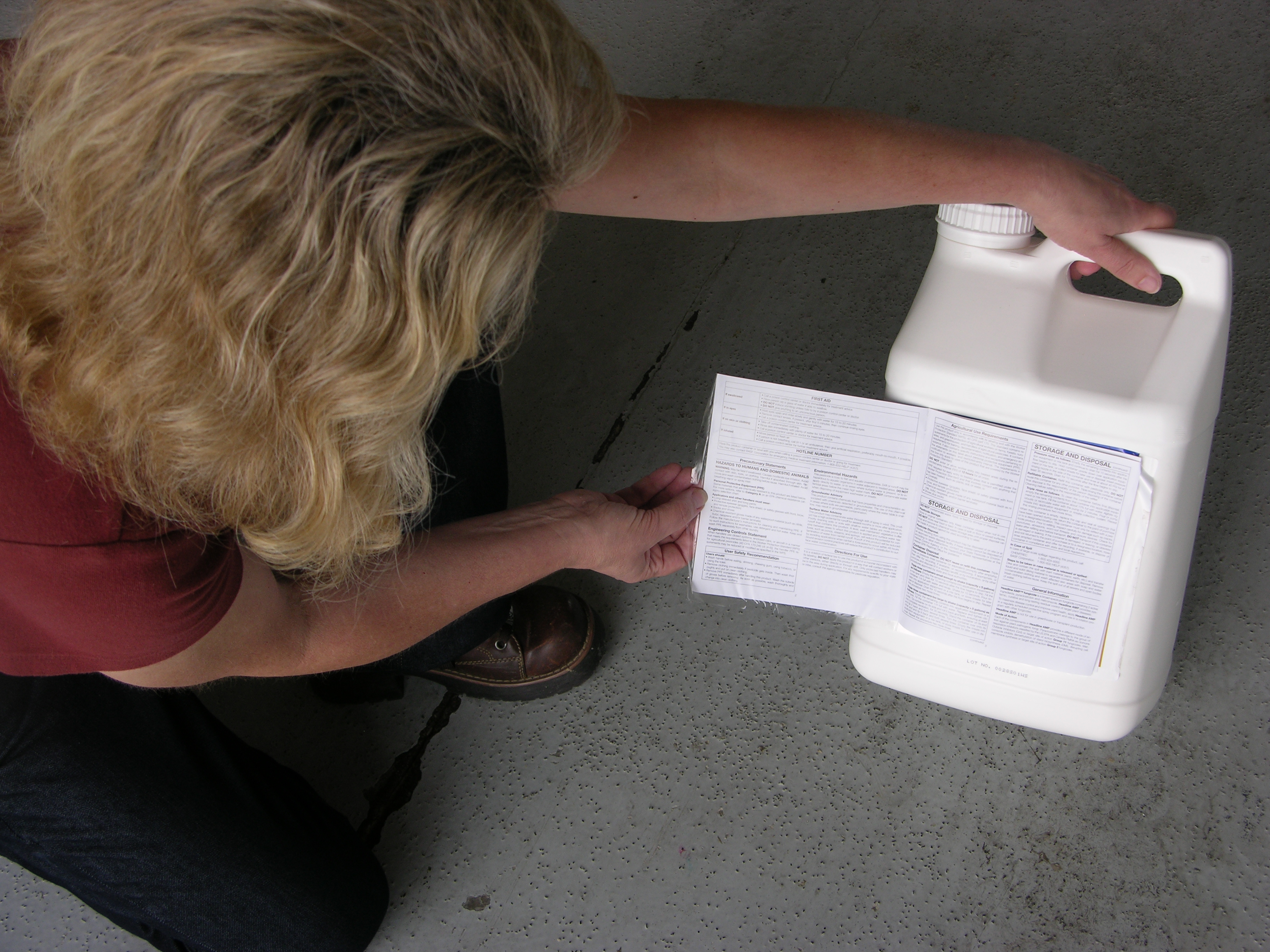
Nebraska pesticide safety education training and certification is required for restricted use pesticide product applications using label recommendations. Therefore, the Nebraska Department of Agriculture in cooperation with Nebraska Extension provides certification across the state. Certification requirements vary based on licensing classification.PestEd

For example, the Nebraska Pesticide Act allows anyone producing agricultural commodities on their own property or rented acres to purchase and apply restricted use pesticides on their managed acres through Private Applicator Pesticide Certification. Exceptions for Private Use licensing would be: “for hire” pesticide applications; controlling fish for recreation; termite control; mosquito control; residential lawn care; and weed control in aquatic sites or irrigation canals.

Private pesticide safety certification (group) training dates, times, and locations are listed on the PestEd website .Other Private licensing options include: completing the Nebraska Private Self-Study Manual and written exam; taking the online Private Pesticide Applicator exam; or attending a Nebraska Extension Crop Production Clinic.

New 2015 Private Applicator Training topics include: “Water Quality Testing for Pesticide Performance;” “Driftwatch website updates;” “Nozzle Drift Prevention Technology;” and “Safe Pesticide Disposal and Storage.”

In Fillmore County, private pesticide certification will be held twice on February 17th. The first session will be at 9:00 a.m. and the second at 1:30 p.m. The programs will be at the Fillmore County Fairgrounds in Geneva, NE.

Commercial applicator pesticide applicator licensing & certification is required for anyone applying restricted use pesticides on a contractual or “for hire” basis. This licensing is also required for any person applying a restricted or general use pesticide for lawn care or structural pest control to the land for another person “for hire” or compensation. A complete list of commercial testing dates, time, and locations is available.

Commercial certification requires passing a written General Standards exam plus each needed category. Based upon the applicator’s certification needs, there are several categories available. For specific categories details, contact the Nebraska Department of Agriculture as 402-471-2351 or toll-free at 877-800-4080.

More Nebraska Extension educational meetings and clinic information is available at: http://cropwatch.unl.edu; through our Nebraska Extension – Fillmore County office (402-759-3712); or through your local Nebraska Extension office.

Crops

Myths about Unmanned Aircraft Systems

Recently one of my colleagues hosted an in-service for Nebraska Extension faculty on unmanned aircraft vehicles (UAVs), which I participated. This was an excellent time to obtain facts about UAVs and the opportunity to discussion potential applications in agriculture and other industries. There are a lot of myths with these unmanned aircrafts, which I’ve decided to share in this week’s column to potentially avoid any potential conflicts or issues. These myths can be found on the Federal Aviation Administration website.

  • Myth #1: Unmanned aircraft are not aircraft. Unmanned aircraft, regardless of whether the operation is for recreational, hobby, business or commercial purposes are aircraft.
  • Myth #2: Unmanned aircraft are not subject to FAA regulation. All civil aircraft are subject to FAA regulation under law.
  • Myth #3: The FAA doesn’t control airspace below 400 feet. The fact is that the FAA is responsible for air safety from the ground up. The FAA has broad authority to prescribe regulations to protect individuals and property on the ground and to prevent collisions between aircraft, between aircraft and land or water vehicles, and between aircraft and airborne objects.
  • Myth #4: UAS flights operated for commercial or business purposes are OK if the vehicle is small and operated over private property and below 400 feet. All UAS operations for commercial or business purposes are subject to FAA regulation. At a minimum, any such flights require a certified aircraft and a certificated pilot. UAS operations for commercial or business purposes cannot be operated under the special rule for model aircraft found
  • Myth #5: There are too many commercial UAS operations for the FAA to stop. The FAA has to prioritize its safety responsibilities, but the agency is monitoring UAS operations closely. Many times, the FAA learns about suspected commercial UAS operations via a complaint from the public or other businesses. The agency occasionally discovers such operations through the news media or postings on internet sites. When the FAA discovers UAS operations in violation of the FAA’s regulations, the agency has a number of enforcement tools available to address these operations, including a verbal warning, a warning letter, and legal enforcement action.
  • Myth #6: Commercial UAS operations will be OK after September 30, 2015. In the 2012 FAA reauthorization legislation (Public Law 112-95), Congress told the FAA to come up with a plan for “safe integration” of UAS by September 30, 2015. Safe integration will be incremental. The agency is writing regulations, which will supplement existing regulations that currently are applicable to the operation of all aircraft (both manned and unmanned), that will apply more specifically to a wide variety of UAS users.  The FAA expects to publish a proposed rule for small UAS – under about 55 pounds – later this year. That proposed rule likely would include provisions for commercial operations.
  • Myth #7:The FAA is lagging behind other countries in approving commercial drones. This comparison is flawed.  The United States has the busiest, most complex airspace in the world, including many general aviation aircraft that must be considered when planning UAS integration, because those same airplanes and small UAS may occupy the same airspace. Developing all the rules and standards needed is a very complex task, and the FAA wants to get it right the first time.  They also want to strike the right balance of requirements for UAS to help foster growth in an emerging industry with a wide range of potential uses, but also keep all airspace users and people on the ground safe.
  • Myth #8: The FAA predicts as many as 30,000 drones by 2030. That figure is outdated. It was an estimate in the FAA’s 2011 Aerospace Forecast. Since then, the agency has refined its prediction to focus on the area of greatest expected growth. The FAA believes that the civil UAS markets will evolve within the constraints of the regulatory and airspace requirements. Once enabled, commercial markets will develop and demand will be created for additional UAS and the accompanying services they can provide. Once enabled, FAA estimates roughly 7,500 commercial UAS would be viable at the end of five years.
Crops, Programming

Extension Programming

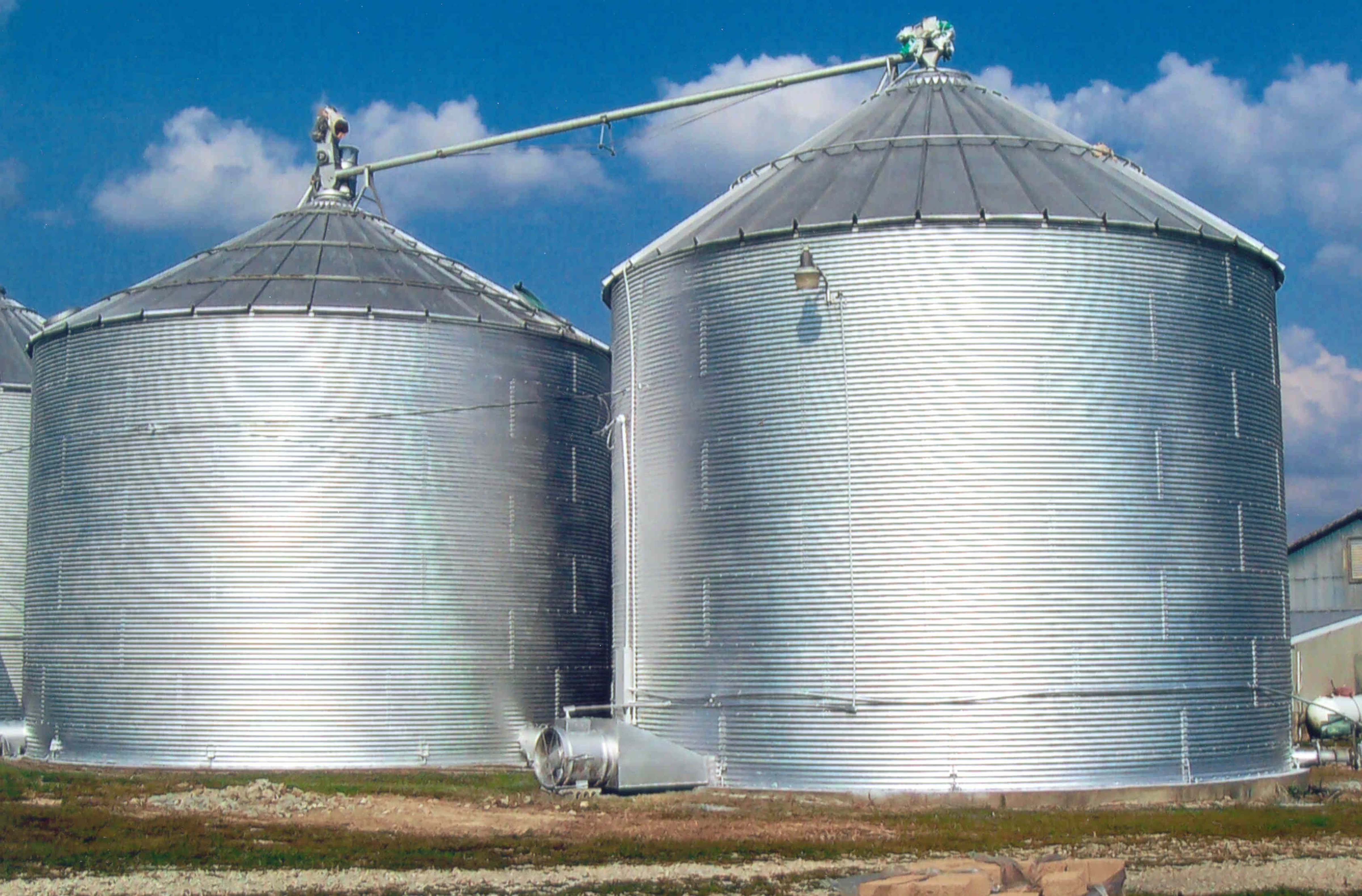
This is the time of year for agricultural programs for agricultural producers and if one wanted, they could go to a program almost every day of the week! For the most current or up-to-date information, go to our website, call our office at (402) 759-3712 or email me at brandy.vandewalle@unl.edu and if we don’t have all of the details, we’ll look them up for you! In light of all the excellence UNL Extension, NRD and industry programs, I decided to give a brief recap of them.grainbin2.jpg

Field Assessments to Improve Efficiency – December 8th
This program seeks to enhance the knowledge of Nebraska corn, soybean and wheat producers on their sustainability and operational efficiency measures. Workshop participants will use a web based tool called Fieldprint® Calculator. We want growers in Nebraska to be better able to understand and communicate how management choices affect overall sustainability performance and operational efficiency of their farm operations. Locally, it will be held Monday, December 8th from 5:30 to 9:00 p.m. at the Geneva Public Library. My colleague in Saline County, Randy Pryor is the program coordinator and is offering this free program, sponsored by Nebraska Extension to 5-10 producers.

Farmers & Ranchers College– December 11th (1-4:00 p.m.) – Bruning Opera House
Ag Outlook will feature Dr. David Kohl, Professor Emeritus with the Dept. of AAEC, VA TECH and will discuss the wild world of global and domestic economics.  Dr. Kohl will discuss the major game changers influencing the agriculture landscape along with a quick tour of global economics and how it is influencing land values, commodities, and input costs.  Is agriculture in an asset or credit bubble?  What can you do financially in this business environment to capitalize on the economic volatility?  Dr. Kohl will give tips on management practices that will help you think globally but act locally in strategic and everyday decision-making.

Farm Bill Workshops – December 16th 9-Noon, Fillmore Co. Fairgrounds, Geneva
Farm Bill informational & meetings will be conducted in every county across Nebraska with each educational session running about 2-3 hours. Check with your local Farm Services Agency (FSA) or Nebraska Extension Service office for more details. These sessions are not required but may be helpful regarding long-term decisions.

Crops, Programming

Field Assessments To Improve Efficiency Workshops

This week I’m including a press release on an educational program coming to Geneva on Monday, December 8th from 5:30 to 9:00 p.m. at the Geneva Public Library. My colleague in Saline County, Randy Pryor is the program coordinator and is offering this free program, sponsored by Nebraska Extension to 5-10 producers.FieldtoMarket

This new educational effort by University of Nebraska-Lincoln Extension seeks to enhance the knowledge of Nebraska corn, soybean and wheat producers on their sustainability and operational efficiency measures. Workshop participants will use a web based tool called Fieldprint® Calculator. We want growers in Nebraska to be better able to understand and communicate how management choices affect overall sustainability performance and operational efficiency of their farm operations said Extension Educator Randy Pryor.

Pryor said the inspiration of the new workshops came from a similar effort in 2011 led by Bunge and Kellogg with assistance from UNL Extension and other partners at Crete, NE. The project included 23 corn producers that delivered grain to the Crete Mill. As a result, growers could compare efficiency measures. Farmers were excited to see their efficiency and sustainability in this manner and lessons learned led to an updated version of the Fieldprint® Calculator.

Calculating “Fieldprints” can help growers to establish benchmark data on a field and track improvements over time, set energy saving and efficiency goals and compare performance against local, state and national benchmarks.

The new Field Assessment workshops in Nebraska are hands-on and will show growers how to document eight sustainability and efficiency indicators. They are Land Use, Conservation, Soil Carbon, Irrigation Water Use, Water Quality, Energy Use, Greenhouse Gas Emissions and Water Quality.

Participants will select a representative crop field for 2014 and complete a data input sheet in advance of the Fieldprint® Calculator workshops. Meals and workshop materials are sponsored through a Nebraska Extension Innovation grant. Computer laptops are provided or bring your own. Pre-registration is required by Friday, December 5, 2014, by contacting a host Extension office.

Workshop Times And Locations:

  • CLAY CENTER: Monday, December 8, 9:00 AM – 1:00 PM, UNL Extension in Clay County, 111 West Fairfield, Clay Center
  • GENEVA: Monday, December 8, 5:30 PM – 9:00 PM, Geneva Public Library, 1043 G Street, Geneva (Call our office at 402-759-3712 to register.)
  • AUBURN: Tuesday, December 9, 9:00 AM – 1:00 PM, Nemaha County Hospital Meeting Room, 2022 13th Street, Auburn
  • FAIRBURY: Tuesday, December 9, 5:30 PM – 9:00 PM, UNL Extension in Jefferson County, 517 F Street, Fairbury
  • CENTRAL CITY: Wednesday, December 10, 9:00 AM – 1:00 PM, UNL Extension in Merrick County, 1510 18th Street, Central City
  • AURORA: Wednesday, December 10, 5:30 PM – 9:00 PM, Leadership Center, 2211 Q Street, Aurora
  • FREMONT: Thursday, December 11, 9:00 AM – 1:00 PM, UNL Extension in Dodge County, 1206 West 23rd, Fremont
  • SCHUYLER: Thursday, December 11, 5:30 PM – 9:00 PM, UNL Extension in Colfax County, 466 Road 10, Schuyler
Crops

Consider On-Farm Research!

One of my colleagues Laura Thompson who is focused in on-farm research and precision agriculture reminds producers that fall is a great time to start thinking about what to improve for next year’s crops. As you are harvesting, are their some places in your fields where you think they should yield more and some that pleasantly surprised you? What might be some of those factors? Have you tested products or practices you have used recently to determine what might be contributing to your end results? As input costs continue to rise and commodity prices decline, what are some products or practices you could reduce to increase your profit?SensorsWeb

UNL Extension coordinates the Nebraska On-Farm Research Network that can help you design and evaluate an experiment that will provide reliable information specific to your operation using your equipment. Laura points out that precision agriculture technologies have greatly enhanced the ease and accuracy with which we can evaluate the profitability of many practices. Inputs such as water, fertilizer and seed can be applied at variable rates across a field but tracked and geo-referenced. Yield monitors provide yield data for individual field treatments, which can be quickly evaluated and eliminates the inconvenience of needing to use a weigh wagon to calculate grain weights for each treatment.

In order to get started you need to formulate a good question. For example a good question focuses on a single practice and clearly identifies what will be measured; start by identifying a “yes” or “no” question. Local producers several years ago asked the following question, “Can I reduce my soybean population without reducing yield?” Excellent results were achieved from that study and as a result some producers have saved money by reducing soybean populations from 180,000 seeds/acre to 120,000 seeds/acre.

On-Farm research does more than just provide a side-by-side comparison. It provides a set-up for producers that is randomized and replicated to obtain reliable information and assures results were not just a fluke thing by taking out favoritism towards a treatment and reduces the possibility that results are due to chance rather than the treatment.

I’ve had the opportunity to work with some excellent producers in the area and would love to work with you in the 2015 growing season. If you have more questions, you can call my office at (402) 759-3712 or On-Farm Research Network coordinators Keith Glewen at (402) 624-8030 or Laura Thompson at (402) 245-0199. More information can also be found on UNL Extension’s CropWatch website at cropwatch.unl.edu.