Programming

Ag Update & the Road Ahead

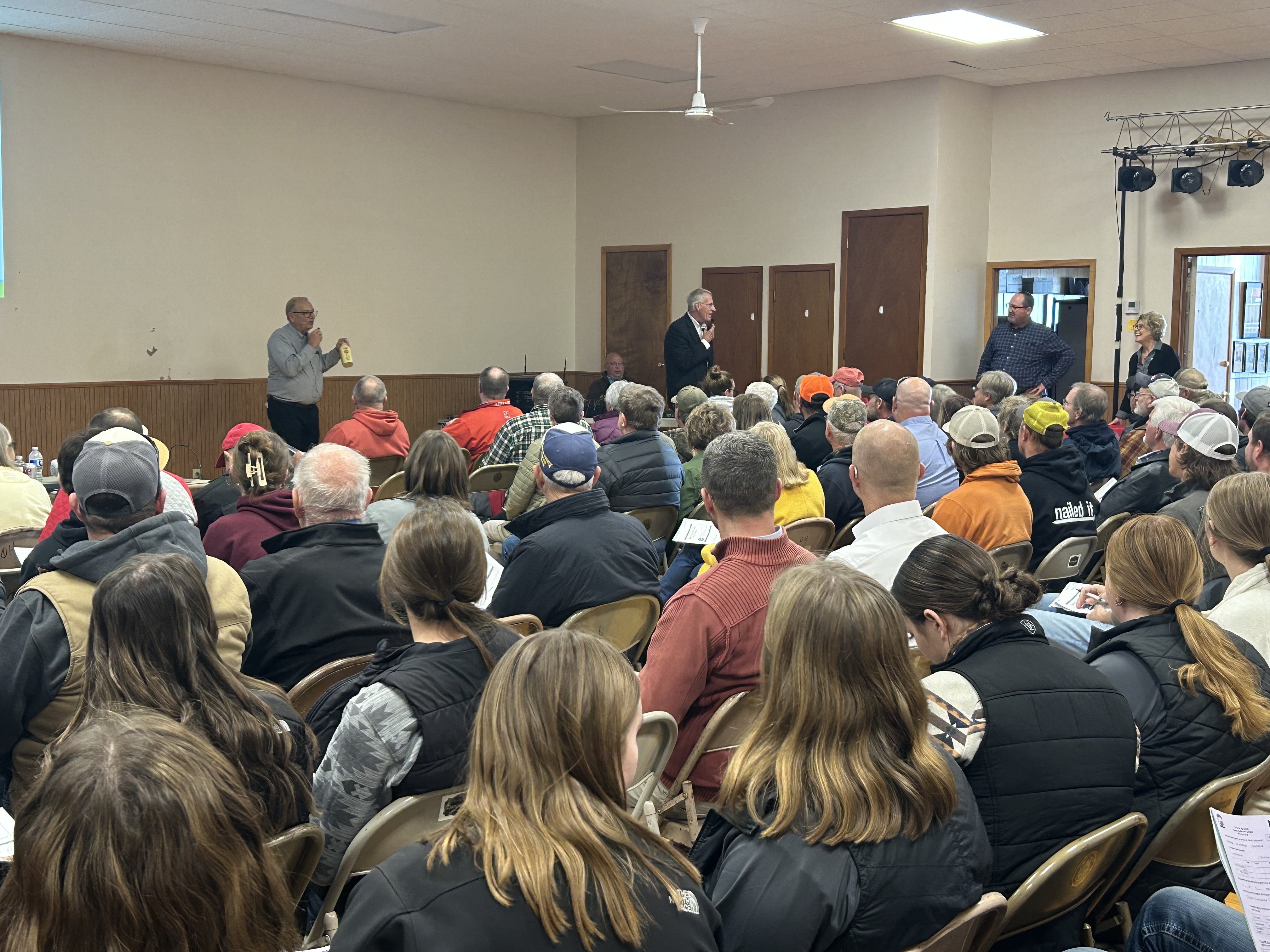
Recently at a Farmers & Ranchers College program, Dr. David Kohl shared his global perspective on current events and how they influence U.S. agriculture—insights that are always incredibly valuable. One of the highlights of his presentation was a “SWOT analysis” of the United States. While many businesses routinely use SWOT analyses to evaluate strengths, weaknesses, opportunities, and threats, it was fascinating to consider how this framework applies to an entire country.

Kohl noted that one of the United States’ greatest strengths is its abundant natural resources. Together, the U.S. and Canada hold 20% of the world’s water supply. The nation’s extensive river system also provides an efficient means of transporting goods. Additional strengths include a solid capital structure, legal system, and property rights; the global role of the U.S. dollar in trade; a strong educational system; an entrepreneurial economy; and the country’s historic position as a global influencer since World War II.

Weaknesses cited include political polarization, inconsistent policies, and declining trust in institutions. The U.S. also faces an aging population combined with a reactive healthcare system, a growing federal deficit, substantial budget obligations, a service-dependent economy, a widening concentration of wealth and income, and aging infrastructure paired with supply chain challenges.
Kohl highlighted that North America has tremendous potential when the U.S., Canada, and Mexico work together—representing 5% of the world’s population but 29% of the global economy. Additional opportunities include improving proactive healthcare to enhance quality of life, cultivating next-generation leadership at all levels, advancing as a global leader in applied technologies, and strengthening natural resource and environmental management.

Among the threats, Kohl warned of the likelihood of a catastrophic technology event that could disrupt major industries or even the country itself. He also identified the risk of a “brain drain,” as scientists and researchers leave the U.S. due to issues such as funding uncertainty, instability, perceived anti-science sentiment, and heavy recruitment from other global powers including the EU and China.

Dr. Kohl emphasized the critical importance of human interaction and communication. While artificial intelligence and other technological tools can help reduce workloads, they can never replace genuine human relationships. He reminded attendees that people need connection and purpose. Quoting a favorite saying, he noted, “It is better to have a good neighbor than their farm,” reinforcing the idea that being kind and building strong relationships matter far more than acquiring more land or expanding a business.

In conclusion, he provided leadership principles that stand the test of time:

  • Change occurs bottom up, not top down.
  • Manage the controllables, manage around the uncontrollable.
  • Quick money builds ego – disciplined principle-based strategy/activity results in resiliency, nimbleness, agility and character.
  • If you are going to lead, you must read!
  • Success is often measured in dollar signs. Significance is giving back and making a difference in people’s lives.
  • A successful culture and society must have success in agriculture.

It was great to see over 30 FFA members and community college students in attendance which Dr. Kohl praised and asked them each to share what they learned. He praised the 4-H and FFA programs for providing youth a purpose and developing life skills.
 

Uncategorized

Christmas Trees

With Christmas around the corner, I am including an article by Nicole Stoner, Nebraska Extension Educator on Christmas trees.

According to the University of Illinois Extension, Christmas Trees came to the United States in 1747, when people in Pennsylvania decorated wooded pyramids with evergreen branches and candles. By 1850, decorated Christmas trees were a widely used tradition in America. The first Christmas tree farm was planted in 1901 by W.V. McGalliard, in response to the growing concern of over harvesting natural evergreen tree stands. Today, for every live Christmas tree that is harvested 1-3 seedlings are planted the following spring to replace those that were harvested and to account for early demise due to insect and disease issues. It is best to get a tree from a local grower to help with the local economy, but the top Christmas tree producing states are Oregon, North Carolina, Michigan, Pennsylvania, Wisconsin and Washington. This information comes from Sarah Browning, Lancaster County Extension Educator.

Photo by Vladislav Murashko on Pexels.com

Tree Selection

The most common tree species used for Christmas trees include Balsam Fir, Douglas Fir, Fraser Fir, Noble Fir, Scotch Pine, Virginia Pine and White Pine. If you have a lot of heavy ornaments, look for a Fraser Fir, Scotch pine, blue spruce or Black Hills spruce because they have stiff branches that will hold ornaments better. Balsam Fir is the choice for those looking for a Christmas tree scent. White pines can be used for areas where you prefer softer needles.

When choosing your tree, assess the tree condition. Walk around the tree to look for holes in the branching. Slightly tug on the needles that are on the tree to ensure they are tightly attached to the tree and have some flexibility. If the needles fall off with limited tugging, they are not going to last long in your home. Also, give the tree a good shake, if green needles fall off or if it has a lighter green color that is not a fresh tree. Brown needles will naturally fall from the interior of the tree, that doesn’t mean there is a problem with it.

Home Care

When you take your tree home, make a new cut on the stump of the tree to ensure a flat surface to sit on and to open pores at the base of the cut stump allowing water to flow through the tree. After cutting, be sure to place the tree into a bucket of water or into the stand with water immediately. If you do not plan to put your Christmas tree up in the home right away, place it in a cool, dark location, out of sunlight until you are able to put it in your home. Place the tree in a stand that holds at least 1 gallon of water and be sure to add water daily.

There are a lot of myths about adding things like sprite or aspirin to the water for your Christmas tree, however, research shows that just plain water works the best to ensure longevity for your tree. Just ensure that you maintain water in the tree stand at all times, once the tree runs out of water, those pores can start to clog again, and this will reduce the life of your tree in your home for the holidays.

Uncategorized

Thanksgiving Food Facts

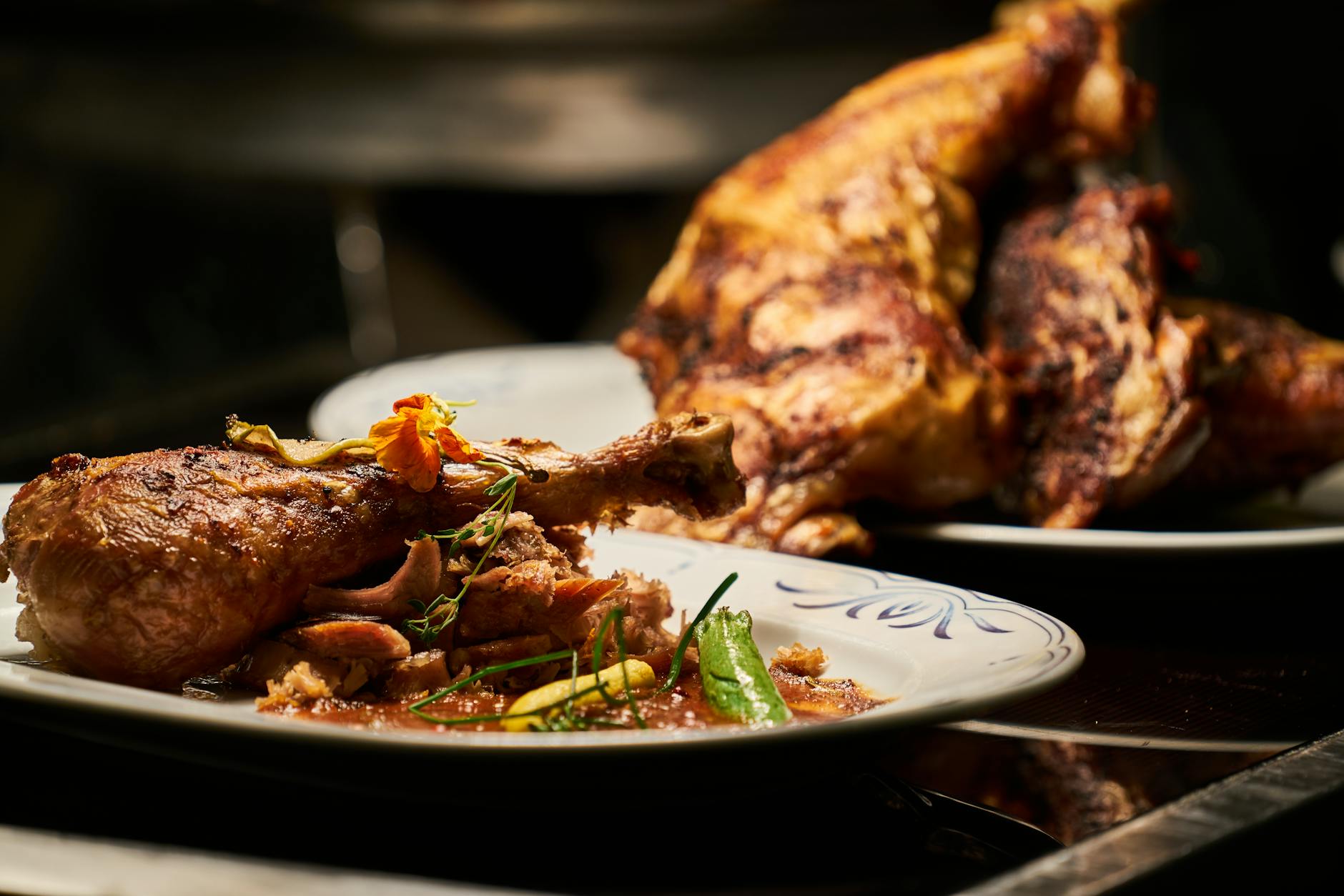
With Thanksgiving around the corner, I took information from Purdue University’s Center for Food Demand Analysis and Sustainability to examine potential prices of a Thanksgiving meal. The poultry industry has faced many challenges with highly pathogenic avian influenza (HPAI) that first appeared in February 2022. Unlike temporary market disruptions, HPAI has been a persistent challenge for producers. Purdue’s model predicts an average retail price of approximately $2.05 per pound which is 25% higher than a year ago, making a typical 15-pound turkey costing around $31. There is a wide variation in retail prices driven by quality and some grocery retailers that sell other items may offer significant discounts on turkey to attract customers. Consumers with time to compare prices can find substantial savings this season Not everything increased in price. Potato prices have dropped 0.5% since last year and bread prices are down approximately 5.6% since last year.                  

Photo by Engin Akyurt on Pexels.com

The American Farm Bureau Federation annually calculates the cost of a Thanksgiving meal to serve 10 people with plenty for leftovers. This year, with a traditional Thanksgiving meal, Farm Bureau estimated a meal total to land between $63 and $65. Last year, it was $58 so this is a potential increase of about 10%.  Included in the meal is a 16-lb. turkey, bread stuffing, sweet potatoes, rolls with butter, peas, cranberries, a relish tray of carrots and celery, pumpkin pie with whipped cream and beverages of coffee and milk. These are just estimates as their final report hasn’t been released as I write this article. Nonetheless, do some cost comparisons to save some money.  

You can thank our American farmers and ranchers who are able to provide us the bounty of safe and affordable food. Another interesting fact about Thanksgiving is that 88% of Americans are expected to be feasting on turkey for Thanksgiving this year (National Turkey Federation). The NTF also said that 65% of American roast their turkey in the oven, while 10% smoke, 7% air fry, 7% fry, or 7% grill the turkey. According to the National Turkey Federation, the top turkey-producing states are Minnesota, North Carolina, Arkansas, Indiana, Missouri, Virginia, Iowa and California. The United States is the world’s largest turkey producer, and a major exporter of turkey products.

Now let’s talk trivia:

Q: Why are turkeys raised?   A: Because of their excellent quality of meat and eggs

Q: What is a male turkey called?  A:  Tom

Q: What is a female turkey called?  A:  A Hen

Q: What sound do turkeys make?  A: Only tom turkeys gobble; the female makes a clucking sound.

Q: How many feathers does a turkey have at maturity?  A:  3,500 feathers

Q: How big was the heaviest turkey ever raised?  A: 86 pounds, about the size of a large dog

Q: Which gender of turkeys are usually consumed whole?  A: Hens (females) are usually sold as whole birds. Toms (males) are processed into turkey sausage, turkey franks, tenderloins, cutlets and deli meats.

Q: How long does it take a turkey to reach market size?   A: Hens usually grow for 16 weeks and are 8-16 lbs. when processed while tom usually takes 19 weeks to reach market weight and weighs 24 lbs. Large toms (24-40 lbs.) are a few weeks older.

Regardless of what you do this Thanksgiving, remember to be thankful for what really matters.

If you need tips or resources to help you prepare a turkey or any other food for Thanksgiving, go to Nebraska Extension’s Food Website at https://food.unl.edu/article/thanksgiving-central.

Thanksgiving Food Safety

Interesting fact, the day after Thanksgiving is the biggest food borne-illness day of the year. Nebraska Extension continues to do their part to help our clientele remain heathy and have good food safety practices. The following are from Extension Educator Cindy Brison and our Food Safety Team.

One of the most frequently asked questions around Thanksgiving is “How do I thaw a frozen turkey?” …including on Thanksgiving morning! The answer to this question is an important step in meal prep for food safety. Unsafe handling and undercooking the turkey can cause foodborne illness. For information on thawing your turkey and more: https://food.unl.edu/how-thaw-turkey 

Do not wash or rinse your raw turkey! Avoid washing or rinsing a turkey (or any eggs, meat or poultry products for that matter) before cooking. Juices can transfer bacteria onto kitchen surfaces, other foods and utensils. If you must wash or rinse your turkey because of brining or other marinating processes, be sure to thoroughly clean and then sanitize all kitchen surfaces to eliminate the risk of cross-contamination. For more safety tips: https://go.unl.edu/washingturkey 

Programming

Farmers & Ranchers College Dates            

The Farmers & Ranchers College continues to provide high-quality programming to area producers and agribusiness professionals with 2025-26 programming.  The Farmers & Ranchers College was formed in January 2000 with the purpose of providing high quality, dynamic, up to date educational workshops for area agricultural producers in south central Nebraska through a collaborative effort between business, industry and higher education leaders. Furthermore, the Farmers & Ranchers College will provide the tools necessary so that agricultural producers will be able to respond positively to these changes using a profitable decision-making process.

The Farmers and Ranchers College Committee consist of Fred Bruning of Bruning, Bryan Dohrman of Grafton, Sarah Miller of Carleton, Jennifer Engle of Fairmont, Jim Donovan of Geneva, Bryce Kassik of Geneva, and Brandy VanDeWalle of Ohiowa.

The 2025-2026 Farmers & Ranchers College will kick off with a Cover Crop Grazing Conference on November 21, 2025, at the Clay County Fairgrounds in Clay Center, NE. This program will serve as our annual Cow/Calf College and provide growers and producers who utilize cover crops strategies for success. This year’s event will feature expert presentations on managing nitrates and prussic acid in cover crops, as well as the latest developments in virtual fencing technology. Attendees will also benefit from a producer panel sharing firsthand experiences, quick-hit poster presentations highlighting current research, and guided field tours focused on practical cover crop grazing strategies. Whether you’re a producer, researcher, or ag professional, this conference offers valuable insights and hands-on learning opportunities.

The Agricultural Update & the Road Ahead with Dr. David Kohl will be held on December 3, 2025, at the Opera House in Bruning, NE at 1:00 p.m. Finally, a special couple or family program on family farm transitioning will be held on March 19, 2026. All this information can be found at: go.unl.edu/farmersrancherscollege

Contributions and support of area businesses allow participants to attend at no cost, however for programs that have meals, it is requested that people RSVP at least a week in advance for an accurate meal count by calling Fillmore County Extension at (402) 759-3712.

Questions on the Farmers & Ranchers College can be directed to the Fillmore County Extension Office at (402) 759-3712. To participate and register, go to the website: go.unl.edu/frcollege.

Uncategorized

Uninvited Guests

Temperatures are dipping and that can only mean two things. Halloween will be here soon, and mice will start migrating inside. Take a few steps now to make sure the ‘guests’ that come to your house are the cute ones dressed up in costumes, not the furry, unwelcome kind.

House mice are common guests once the outdoor temperatures drop. These small, light gray, furry rodents have large ears and long tail. Their preferred food is grains, but they will munch on just about anything. One reason mice can be a problem once inside is due to their rapid ability to reproduce. Each year, a female mouse can produce 5-10 litters, with about 5-6 young per litter. Mice make nests out of materials like paper, feathers, or other fluffy materials.

Photo by Pixabay on Pexels.com

Understanding how mice function helps in the control process. They have relatively poor eyesight and are near-sighted. To make up for this deficit, they utilize their whiskers to feel the walls as they move around. Mice also have extreme physical abilities. They can climb up vertical surfaces, balance along wire cables, jump 10” high or across a 3’ gap, and survive a 9’ drop. Their most impressive feat is being able to squeeze their bodies into holes 1/4” in diameter, the size of a pencil.

If you don’t want these guests to become permanent residents, there are several methods that can be used for controlling mice in the home. Exclusion is the most common in the fight against house mice. Prevent mice from entering buildings by eliminating openings that are 1/4” or larger. Use sealants or mortar to help fill the gaps. Spray-in-place foams and steel wool pads will fill the gaps, but they won’t do much to stop mice from entering. Make sure doors, windows and screens fit tightly. Cover the edges of doors and windows with metal to prevent gnawing.

Population reduction is another method for controlling mice. Traps and baits are two common population reduction methods. To ensure success with traps, you need to use enough traps in areas where mice are living. Snap traps or multiple-capture traps can be used to capture mice. Double setting snap traps, placing two traps close to each other, will yield the best results in situations with high activity. Multi-catch traps can catch several mice at a time without resetting. Glue boards are another alternative to traps. These sticky boards catch and hold mice as they try to move throughout the home. Be sure to use sticky boards in locations where non-target animals or items won’t get stuck in them. If this does happen, use an oily material, like vegetable or mineral oil, to dissolve the sticky substance. To make the traps more appealing you can apply a food source such as peanut butter, a chocolate chip melted to the trigger, or you can secure a cloth scented with a food source to the traps’ trigger.

Baits are another population reduction method. Be sure to read and follow all directions on baits. When choosing baits, consider the location and method of applications and any non-target pets and children. Choose the type of bait for your specific location and application. Mice have been known to move pelleted baits without eating them. Just because you have an empty box, doesn’t mean they have eaten the bait. Bait stations or bait blocks ensure that the critter ate the bait. Baits might not be the best option for inside the home, so select their location wisely.

Use caution when cleaning up droppings, nests, or mouse remains. This can help to decrease the potential spread of diseases carried by mice like Hantavirus. Use protective waterproof gloves and spray the carcass and trap or nest with a household disinfectant or a 10% bleach solution. Use a sealable bag turned inside out to pick up the mouse. To remove feces or urine, spray the area with a disinfectant until wet and wipe up with a towel, rag, or mop. Don’t use the vacuum or broom to collect dry feces as that can cause the material to go into the air and be inhaled.

We all want guests to stop by, but with a little work upfront, you can make sure the guests that enter your home will be welcome ones who will yell out ‘Trick or Treat’.

This article was written by Elizabeth Exstrom, Extension Educator with Nebraska Extension in Hall County. For more information contact Elizabeth at elizabeth.exstrom@unl.edu.

Uncategorized

Pumpkins

I love this time of year for several reasons. First, it is harvest time; watching the combines in the fields brings back great memories of riding in the combine with my dad as a child. Secondly, I love the changing colors of the trees and a slight chill in the air. Finally, I love pumpkins and going to the pumpkin patch with my girls which is why this week I’m sharing some fun information about pumpkins.

October is National Pumpkin Month. Pumpkins are a member of the Cucurbitaceae family, which also includes squash, cantaloupe, cucumbers, watermelon, and gourds. Every part of the pumpkin was used by American Indians. Pumpkins and squashes were baked or roasted whole in a fire, cut up and boiled, added to soups and stews, or made into porridge and pudding.  Strips of pumpkin were dried and woven into mats and the dried outer shells of pumpkins and squashes found new life as water vessels, bowls and storage containers.

Did you know that pumpkin is an excellent source of vitamin A and a good source of fiber? Also, a one-ounce portion of hulled pumpkin seeds is considered 20ounce equivalents in the Protein foods group. All parts of the pumpkin are used all over the world as ingredients in dishes – even the pumpkin leaves!  Cooked pumpkin leaves and peeled shoots are a staple in many Asian and African countries and served with rice or porridge. The flavor is said to be a mixture of green beans, asparagus, broccoli, and spinach. Use tender, young pumpkin leaves for best results.  Fresh pumpkins are best if you select small, heavy ones for cooking because they contain more edible flesh. Pumpkins for carving are not so great for cooking, but the edible seeds are great for roasting!  My grandma always made the best pumpkin seeds!

If you have never made roasted pumpkin seeds, here are some tips from the National Center for Home Food Preservation:

Photo by Photo By: Kaboompics.com on Pexels.com
  • Drying seeds and roasting seeds are two different steps:
  • To dry: carefully wash pumpkin seeds to remove the clinging fibrous pumpkin tissue. Pumpkin seeds can be dried in a dehydrator at 115 to 120°F for 1 to 2 hours, or in an oven on warm for 3 to 4 hours. Stir frequently to avoid scorching.
  • To roast: toss dried pumpkin seeds with oil and your favorite seasonings such as salt, pepper, garlic, or cumin. Roast in a preheated oven at 250°F for 10 to 15 minutes. Once cooled, place the roasted pumpkin seeds in a sealed container and store at room temperature.

When selecting pumpkins for carving and fall decoration, choose varieties that suit your style! Traditional carving pumpkins are medium to large- in size, deep orange, and lightly ribbed with a strong handle. For painting, look for a small pumpkin with a strong handle and a smooth surface. Add additional interest to fall décor using miniature pumpkins with unique colors and patterns. Miniature pumpkins are typically less than 2 pounds and can be found in a variety of shapes and colors. Diversity among pumpkin varieties is incredible! With sizes ranging from 4 ounces to over 1,000 pounds, various unique shapes, and brilliant colors like orange, yellow, white, green, blue, gray, pink, and tan, there are endless opportunities to select the perfect pumpkin.

This information was taken from Nebraska Extension’s food.unl.edu website which has more great pumpkin and fall recipes and nutrition information.

Programming, Youth

4-H Delivery Modes

With county and state fairs complete, I’m often asked, “What are you doing now that fair is over?” The answer is simple: a lot! This week, I want to highlight the many ways 4-H reaches youth beyond the fair. In fact, in Clay and Fillmore Counties, our small staff connects with 1 in 2 age-eligible youth and families. Statewide, Nebraska 4-H reaches 1 in 3 youth across all 93 counties, with the support of more than 12,000 volunteers.

Nebraska 4-H strives to empower young people to develop strong mindsets and social skills for successful futures. Youth are reached through clubs, camps, afterschool programs, school enrichment, and special interest opportunities. While traditional 4-H clubs and camps are often the most visible, school enrichment and other programs extend our impact year-round.

School enrichment programs are learning experiences provided during school hours by local 4-H staff. These hands-on programs enhance classroom lessons, introduce new topics, and spark curiosity. They also strengthen collaboration between teachers and Extension staff to meet classroom goals. Locally, our programs focus on Career Development, STEM, Healthy Lifestyles/Personal Development and Agricultural Literacy, and we continually adapt to meet the needs of schools and students.

One program in its 28th year is AgVenture Day – a partnership with the South-Central Cattle Women and Extension that reaches 150+ fourth graders annually with hands-on lessons about agriculture and food production. Progressive Agriculture Safety Day – held each spring, reaches nearly 100 youth with presentations on safety and injury prevention.

Research Shows 4-H Impact

National research underscores the positive impact of 4-H. A series of studies led by Dr. Richard Lerner and his team at Tufts University (2002–2012; 2020–2023) show that 4-H youth report higher levels of positive youth development—including well-being, strong relationships, self-regulation, and active school engagement—compared to their non-4-H peers (Tufts Now, 2024).

Most notably, in the recent Replication Study (2020–2023):

  • 4-H youth were 2x more likely to report feeling competent.
  • 4-H youth were 2x more likely to feel positive about their well-being.

In addition, follow-up studies of 4-H alumni show long-term benefits as young adults. Compared to their non-4-H peers, alumni were:

  • 3x more likely to engage in community service.
  • 2x more likely to report living with purpose and intentionality.
  • 2x more likely to aspire to leadership roles.

These findings highlight the lasting influence of 4-H as youth navigate today’s challenges, including mental health and social pressures.

So, next time you’re tempted to ask, “What are you doing now that fair is over?” consider instead, “What programs or projects are you working on?” Chances are, you’ll hear about school enrichment, youth safety programs, agriculture education, or any of the countless Extension efforts supporting youth, farmers & ranchers, families, and communities.

For more information about Nebraska Extension’s educational programs, research, and initiatives, visit extension.unl.edu.

Uncategorized

Youth Crop Scouting Competition – Connecting Youth with Crops

Looking for a fun club project? Want to unite your club members? Running out of ideas for club meetings?  If you answered, “yes” to any of these questions, help is on the way!  Nebraska Extension is pleased to present the 12th annual Crop Scouting Competition for Nebraska youth. Youth interested in crops can learn about crop growth & development and basic crop scouting principles. 

Don’t know a lot about crops?  Ask a local agronomist to assist by providing a short lesson on crop production. You can have the agronomist meet with youth a little during each meeting or outside of the meeting. This is one way to engage those youth interested in crops. 

This contest will be held at the Eastern Nebraska Research & Extension Center near Mead, Nebraska on August 5, 2025. The event will include both indoor and outdoor events. Teams of junior high and high school students (those completing 5-12th grades) from across Nebraska are invited to participate. This event is limited to the first ten teams who sign-up! 

Clubs or other organizations may enter a team composed of three to five participants. An adult team leader must accompany each team of students. Team leaders could be FFA advisors, crop consultants, extension staff, coop employees, etc. 

Top-scoring teams win prizes: $500 for first, $250 for second, $100 for third place. Top two teams will be eligible for regional competition held in Iowa this year.

Teams will be expected to know the basics of scouting corn and soybean fields. This includes crop staging; looking for patterns of crop injury; disease, insect and weed seedling identification; etc. Other topics many include but are not limited to, pesticide safety, nutrient disorders, and herbicide injury. 

More information about the crop scouting competition and instructions on how to register a team are available online at cropwatch.unl.edu/youth. Register at: https://go.unl.edu/cropscoutingreg

Teams must be registered by July 15. This program is sponsored by Nebraska Independent Crop Consultant Association, Ward Laboratories, the Nebraska Soybean Board and Nebraska Extension.

Uncategorized

Nebraska LEAD Program

It is hard to believe it has been 17 years since I participated in the Nebraska LEAD program! Through this program, I met twenty-nine talented individuals with a passion of agriculture through the Nebraska LEAD program. To date, I remain friends with many of them and the networking opportunities have been tremendous. The in-state seminars challenged me to think outside of the box and remain an advocate for agriculture. I could go on and on about the excellent opportunities the LEAD program has provided, but I challenge you to experience it yourself!

Individuals passionate about agriculture, leadership and making a difference across Nebraska are encouraged to apply for the Nebraska LEAD (Leadership Education/Action Development) Program’s 44th cohort. Applications for this premier agricultural leadership development program are now being accepted through June 15, 2025.

For more than four decades, the Nebraska LEAD Program has identified and cultivated leaders for Nebraska’s agricultural industry and rural communities. Over the course of two years, Nebraska LEAD Fellows participate in a series of dynamic seminars, in-state and national study travel, and a life-changing international study experience — all designed to build critical leadership skills, broaden perspectives and strengthen participants’ ability to shape the future of agriculture and their communities.

“Nebraska agriculture needs visionary leaders who can not only navigate change but drive it — leaders who advocate fiercely for our industry and unite people toward a common purpose,” said Kurtis Harms, Nebraska LEAD Program Director. “The Nebraska LEAD Program offers an unparalleled opportunity for both personal growth and professional impact. Whether you farm, ranch, work in agribusiness or champion rural communities, if you’re passionate about leadership and ready to make a difference, Nebraska LEAD is your next step.”

Individuals involved in production agriculture, agribusiness or professions closely tied to the agricultural industry are encouraged to apply. Ideal candidates are emerging leaders who have demonstrated a commitment to leadership and service.

Application packets can be requested online at lead.unl.edu. Those interested can also nominate individuals who exhibit high leadership potential to receive application information.

The deadline to submit applications for Nebraska LEAD Group 44 is June 15, 2025.

For more information about the Nebraska LEAD Program, including eligibility requirements and program details, visit lead.unl.edu.

Uncategorized

Celebrate Beef Month

As we enter the spring and summer months, nothing smells better than a delicious, juicy hamburger or steak on the grill, and being able to barbecue outside with friends and family. It’s no surprise, then, that May is National Beef Month!  The beef industry is especially important to Nebraska’s economy. According to the Nebraska Department of Agriculture, Nebraska is first in commercial cattle slaughter, second in beef and veal exports, and second in commercial red meat production. According to the Nebraska Beef Council website, Nebraska has the top three beef cow counties in the U.S., including the nation’s No. 1 cow county – Cherry County, with nearly 166,000 cows. Custer County is No. 2 (100,000,) and Holt County is No. 3 (99,000). Also among the top counties in the nation is Lincoln County at No. 12 (69,000).

The Nebraska Beef Council also reports that nearly 5 million head are finished and marketed in Nebraska, a state with a population of 1.9 million residents. January 2023 figures illustrate that Nebraska continues to have far more cattle than people. With over 6 million cattle in the state, cattle outnumber people by more than 3 to 1! The 1.8 million cows combined with the nearly 5 million head that are annually fed in Nebraska total nearly 6.8 million cattle. That’s over 3.5 times more cattle than people in Nebraska!

So, why is Nebraska the beef state?  It has a unique mix of natural resources and according to the Nebraska Beef Council, cattle turn grass from 24 million acres of rangeland and pasture, more than half of Nebraska’s land mass, into protein and many other products for humans. Land that is grazed allows more people to be fed than otherwise possible, and more than one billion bushels of corn are produced in Nebraska, of which 40% is fed to livestock in the state.

Now that I have explained how and why the beef industry is important to Nebraska, let’s explore the health benefits of beef. Beef is a good source of zinc, iron, and protein and there are 29 cuts of beef that meet the government labeling guidelines for being lean. In fact, a 3-ounce cooked serving of lean beef (which is about the size of a deck of cards) provides 10 essential nutrients and about half of the daily value of protein in about 170 calories. According to recent research from Purdue University, the cuts of beef considered lean can be included as a part of a heart-healthy diet to support cardiovascular health, and has consistently demonstrated that the nutrients in beef promote health throughout life.

With May being beef month, I want to remind you that the 2025 Nebraska Beef Passport launches May 1 in locations across the state that are known for offering outstanding beef. This year’s participants include 30 restaurants and 28 meat processors or meat shops. This is the 5th year of the program which encourages people to visit the featured locations and earn points towards prizes offered by the Nebraska Beef Council.  Check out nebeef.org.

If you would like more information on beef production, you can view our Nebraska Extension website beef.unl.edu. Our Extension experts have a variety of articles on everything from beef nutrition to reproduction to lease information. If you would like recipes or tips for preparing beef, you can also check out Nebraska Extension’s food.unl.edu website. There are some great tips on saving money when purchasing beef and links to the Nebraska Beef Council’s website, which has great recipes as well.

Enjoy some beef today!