
Uncategorized

National Farm Safety and Health Week

With harvest just around the corner, farmers will soon be putting in long hours to bring in the crop. As National Farm Safety & Health Week approaches, it serves as an important reminder for everyone in rural communities to slow down, stay alert, and make safety a priority during this busy time of year.

Celebrate National Farm Safety and Health Week 2026 with AgriSafe by joining 12 free educational webinars taking place September 21–25. This year’s theme, “Safety Today, Success Tomorrow,” highlights the importance of protecting the health, safety, and well-being of farmers, ranchers, agricultural workers, and their families. Learn from experts on a variety of agricultural safety and health topics throughout the week. Register for one webinar or attend them all!
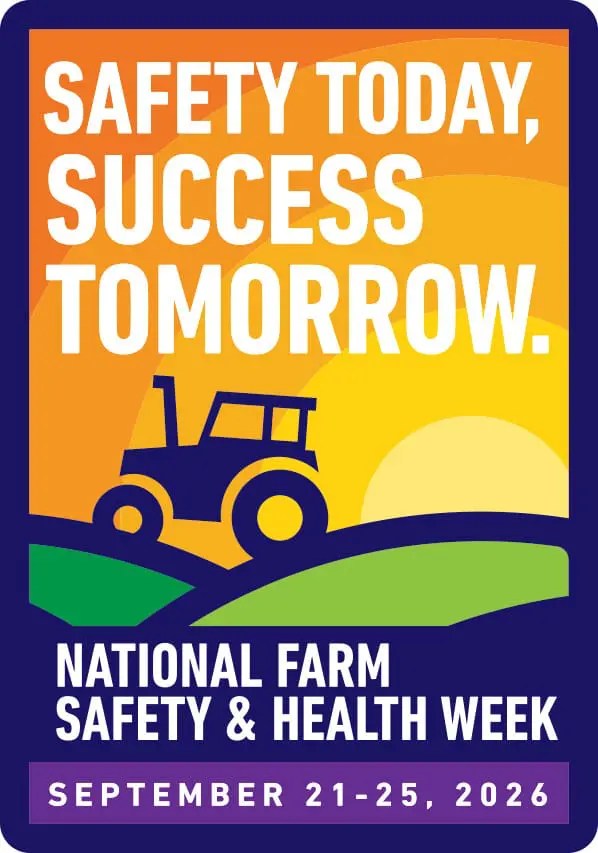
For more information and to register, visit: https://www.agrisafe.org/nfshw/

Agriculture remains one of the most hazardous industries in the United States. In 2023, workers in agriculture, forestry and fishing experienced a fatal injury rate of 24.4 deaths per 100,000 workers, according to the Bureau of Labor Statistics. Transportation incidents, including those involving tractors and ATVs, were the leading cause of fatalities. More than 21,000 nonfatal agricultural injuries resulted in days away from work between 2021 and 2022.

Some things one can do now as we prepare for harvest are ensuring you have a fully charged and proper fire extinguisher in the combine. With the dry conditions we’ve had, conditions increase the chances of combine fires. One of the most common entanglement hazards is PTO (power take-off) units. Within three-fourths second (the average time it takes to react), more than one complete person will have been wrapped around the shaft before he or she could jump out of the way. Always keep all safety shields and guards in place and always stay clear of moving parts to avoid this hazard. One should also disengage equipment and shut off the engine before working near a PTO and do NOT wear loose-fitting clothes, dangly jewelry, long shoelaces, or scarves near them.

Farm safety goes beyond protecting farmers and hired employees. Because farms are often homes as well as workplaces, children, family members, visitors and emergency responders can also be exposed to agricultural hazards. Even motorists traveling rural roads face risks when sharing the road with tractors and other large equipment.

Agricultural workers may encounter a wide range of hazards, including:

  • Machinery and vehicles: Tractors, ATVs and other equipment can cause serious injuries.
  • Grain bins: Grain engulfment can result in suffocation.
  • Chemicals and gases: Pesticides, fertilizers, fuels and gases produced by manure or stored crops can be dangerous.
  • Dust: Farm dust may contain mold, bacteria and livestock waste materials that can affect respiratory health.
  • Livestock: Animals can cause injuries, while contact with livestock can also expose workers to diseases.
  • Falls: Ladders, equipment, grain bins and other elevated areas create fall hazards.
  • Electricity: Large equipment contacting overhead power lines can cause electrocution.
  • Weather: Extreme heat, cold, storms and other environmental conditions can create serious health risks.
  • Noise: Long-term exposure to loud machinery can contribute to hearing loss and tinnitus.
  • Sun exposure: Working outdoors increases exposure to ultraviolet radiation and the risk of skin cancer.

Farmers may also face increased risks as they age. The 2022 Census of Agriculture reported the average age of U.S. agricultural producers at 58.1 years. Changes in vision, mobility, reaction time and cognition can make already hazardous tasks more challenging. Another concern is that farmers frequently work alone in remote locations where cell service may be limited. When an accident occurs, this can delay emergency assistance.

Farm safety requires awareness and planning. Take time to identify hazards before beginning a task, use appropriate protective equipment, follow equipment safety procedures and make sure family members and visitors understand areas that may be dangerous.

Agriculture is essential to our communities, but no job is more important than returning home safely at the end of the day. A few extra minutes spent identifying and preventing hazards can help protect farmers, families, employees and everyone who visits or travels through rural communities.
Uncategorized

Celebrate Beef Month

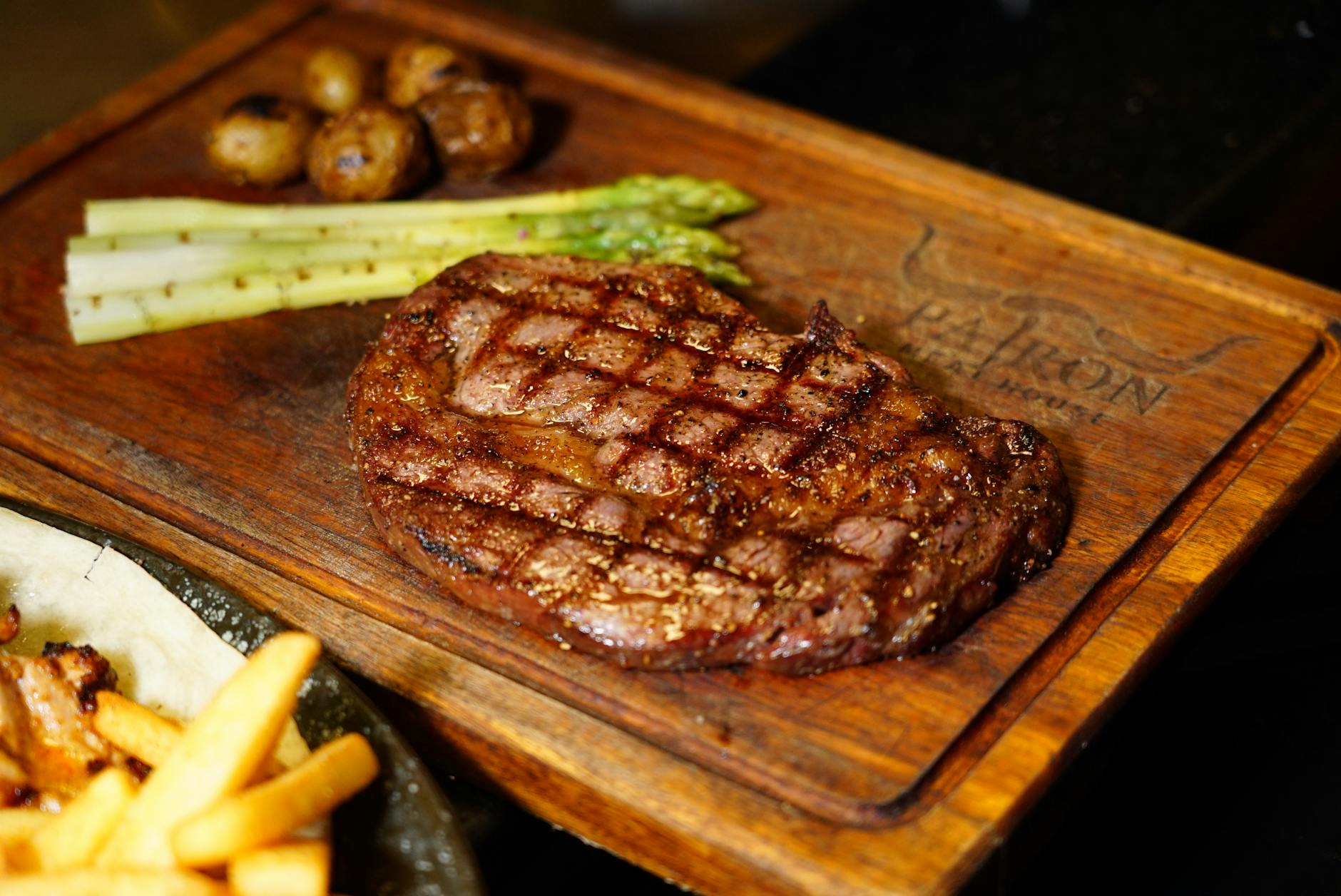
As we enter the spring and summer months, nothing smells better than a delicious, juicy hamburger or steak on the grill and being able to barbecue outside with friends and family. It’s no surprise then that May is National Beef Month!  The beef industry is especially important to Nebraska’s economy. According to the Nebraska Department of Agriculture, Nebraska is first in commercial cattle slaughter, second in beef and veal exports and second in commercial red meat production. According to the Nebraska Beef Council website, Nebraska has the top three beef cow counties in the U.S., including the nation’s No. 1 cow county – Cherry County, with nearly 166,000 cows. Custer County is No. 2 (100,000) and Holt County is No. 3 (99,000). Also among the top counties in the nation is Lincoln County at No. 12 (69,000).

The Nebraska Beef Council also reports that nearly 5 million head are finished and marketed in Nebraska, a state with a population of 1.9 million residents. January 2023 figures illustrate that Nebraska continues to have far more cattle than people. With over 6 million cattle in the state, cattle outnumber people by more than 3 to 1! The 1.8 million cows combined with the nearly 5 million head that are annually fed in Nebraska total nearly 6.8 million cattle. That’s over 3.5 times more cattle than people in Nebraska!

Photo by Mohamed Olwy on Pexels.com

So, why is Nebraska, the beef state?  It has a unique mix of natural resources and according to the Nebraska Beef Council, cattle turn grass from 24 million acres of rangeland and pasture, more than one half of Nebraska’s land mass, into protein and many other products for humans. Land that is grazed allows more people to be fed than otherwise possible and more than one billion bushels of corn are produced in Nebraska, of which 40% is fed to livestock in the state.

Now that I have explained how and why the beef industry is important to Nebraska, let’s explore the health benefits of beef. Beef is a good source of zinc, iron and protein and there are 29 cuts of beef that meet the government labeling guidelines for being lean. In fact, a 3-ounce cooked serving of lean beef (which is about the size of a deck of cards) provides 10 essential nutrients and about half of the daily value of protein in about 170 calories. According to recent research from Purdue University, the cuts of beef considered lean can be included as a part of a heart-healthy diet to support cardiovascular health and has consistently demonstrated that the nutrients in beef promote health through life.

With May being beef month, I want to remind you that the 2026 Nebraska Beef Passport launches May 1 in locations across the state that are known for offering outstanding beef. This year’s participants include 30 restaurants and 28 meat processors or meat shops. This is the 5th year of the program which encourages people to visit the featured locations and earn points towards prizes offered by the Nebraska Beef Council.  Check out nebeef.org.

If you would like more information on beef production, you can view our Nebraska Extension website beef.unl.edu. Our Extension experts have a variety of articles from beef nutrition to reproduction to lease information. If you would like recipes or tips for preparing beef, you can also check out Nebraska Extension’s food.unl.edu website. There are some great tips on saving money when purchasing beef and links to the Nebraska Beef Council’s website which has great recipes as well.

Enjoy some beef today! 

Youth

Tips for a Healthier Halloween

For many, autumn events like Halloween are a time to wear costumes, go trick-or-treating, go to parties with friends, and eat sweet treats. Celebrations such as Halloween are a chance to not only have fun, but also provide healthy snack options and be physically active with friends and family. Make your Halloween season healthier this year by getting plenty of physical activity to balance food intake and help children choose wisely and eat their treats in moderation. Below are tips to make your Halloween healthier for trick-or-treaters and guests.

Hand out healthier treats. 

  • Give out healthier treats for trick-or-treaters and party guests this year. The calories in all those bite-size treats can add up quickly. There are lots of options when it comes to healthier food treats.
  • Examples include cereal bars, packages of dried fruit, baked pretzels, trail mix, animal crackers, mini boxes of raisins, graham crackers, sugar-free gum or hard candy, snack-sized pudding containers, individual applesauce containers or squeeze pouches, sugar-free hot chocolate or apple cider packets, individual juice boxes (100% juice), or fig cookies.

Try out non-food treats. 

  • If you want to steer away from handing out food this year, children will also enjoy non-food treats, such as things you would put in birthday goodie bags. Some non-food items are suitable for all ages, but small items should be limited to kids over age three.
  • Examples include small toys, pocket-sized games, plastic costume jewelry, glow sticks, tiny decks of cards, pencils, pencil toppers, fancy erasers, stickers (including reflective safety stickers), bookmarks, bottles of bubbles, whistles, coloring books, or small packages of crayons.

Promote physical activity.

  • Use party games and trick-or-treat time as a way to fit in 60 minutes of physical activity for kids. You can encourage and pump up the enthusiasm for being more active by providing small and inexpensive toys that promote activity.
  • Items could include a bouncy ball, jump rope, sidewalk chalk for a game of hopscotch or foursquare, or a beanbag for hacky sack.

Moderation is key.

  • Halloween is a great time to discuss and demonstrate the importance of moderation. Keep track of children’s candy so they don’t go overboard in one sitting. Let them pick out a few treats on Halloween night and then let them have a few pieces each day after that.
  • Show kids treats can fit into a healthy eating plan in small amounts. Combine a treat, such as fun-size candy, with a healthy snack like a piece of fruit. Be sure they eat the fruit first, so they don’t fill up on the candy.

Survive sweet treats at work.

  • Snack- or fun-size candies are small and easy to eat but eating several throughout the day can add up to extra calories. Keep the wrappers where you can see them, so they don’t accidentally pile up.
  • If you can’t just eat a few treats at work, start bringing healthier alternatives with you. Stock your snack bag or desk drawer with fruit cups, dried fruit, lightly sweetened whole grain cereal, graham crackers, low-fat pudding cups, popcorn, or granola bars.
  • Remember that friends or co-workers may also be struggling to stay motivated to make healthy changes. Lean on each other and be there when others need encouragement. This year make an effort to bring healthier treat options to work.

Find recipes and learn more at https://food.unl.edu.

Uncategorized

Celebrate Beef Month

As we enter the spring and summer months, nothing smells better than a delicious, juicy hamburger or steak on the grill, and being able to barbecue outside with friends and family. It’s no surprise, then, that May is National Beef Month!  The beef industry is especially important to Nebraska’s economy. According to the Nebraska Department of Agriculture, Nebraska is first in commercial cattle slaughter, second in beef and veal exports, and second in commercial red meat production. According to the Nebraska Beef Council website, Nebraska has the top three beef cow counties in the U.S., including the nation’s No. 1 cow county – Cherry County, with nearly 166,000 cows. Custer County is No. 2 (100,000,) and Holt County is No. 3 (99,000). Also among the top counties in the nation is Lincoln County at No. 12 (69,000).

The Nebraska Beef Council also reports that nearly 5 million head are finished and marketed in Nebraska, a state with a population of 1.9 million residents. January 2023 figures illustrate that Nebraska continues to have far more cattle than people. With over 6 million cattle in the state, cattle outnumber people by more than 3 to 1! The 1.8 million cows combined with the nearly 5 million head that are annually fed in Nebraska total nearly 6.8 million cattle. That’s over 3.5 times more cattle than people in Nebraska!

So, why is Nebraska the beef state?  It has a unique mix of natural resources and according to the Nebraska Beef Council, cattle turn grass from 24 million acres of rangeland and pasture, more than half of Nebraska’s land mass, into protein and many other products for humans. Land that is grazed allows more people to be fed than otherwise possible, and more than one billion bushels of corn are produced in Nebraska, of which 40% is fed to livestock in the state.

Now that I have explained how and why the beef industry is important to Nebraska, let’s explore the health benefits of beef. Beef is a good source of zinc, iron, and protein and there are 29 cuts of beef that meet the government labeling guidelines for being lean. In fact, a 3-ounce cooked serving of lean beef (which is about the size of a deck of cards) provides 10 essential nutrients and about half of the daily value of protein in about 170 calories. According to recent research from Purdue University, the cuts of beef considered lean can be included as a part of a heart-healthy diet to support cardiovascular health, and has consistently demonstrated that the nutrients in beef promote health throughout life.

With May being beef month, I want to remind you that the 2025 Nebraska Beef Passport launches May 1 in locations across the state that are known for offering outstanding beef. This year’s participants include 30 restaurants and 28 meat processors or meat shops. This is the 5th year of the program which encourages people to visit the featured locations and earn points towards prizes offered by the Nebraska Beef Council.  Check out nebeef.org.

If you would like more information on beef production, you can view our Nebraska Extension website beef.unl.edu. Our Extension experts have a variety of articles on everything from beef nutrition to reproduction to lease information. If you would like recipes or tips for preparing beef, you can also check out Nebraska Extension’s food.unl.edu website. There are some great tips on saving money when purchasing beef and links to the Nebraska Beef Council’s website, which has great recipes as well.

Enjoy some beef today! 

Youth

Tips for a Healthier Halloween

For many, autumn events like Halloween are a time to wear costumes, go trick-or-treating, go to parties with friends, and eat sweet treats. Celebrations such as Halloween are a chance to have fun, provide healthy snack options, and be physically active with friends and family. Make your Halloween season healthier this year by getting plenty of physical activity to balance food intake and help children choose wisely and eat their treats in moderation. Below are tips to make your Halloween healthier for trick-or-treaters and guests.

Photo by Daisy Anderson on Pexels.com

Hand out healthier treats. 

  • Give out healthier treats for trick-or-treaters and party guests this year. The calories in all those bite-size treats can add up quickly. There are lots of options when it comes to healthier food treats.
  • Examples include cereal bars, packages of dried fruit, baked pretzels, trail mix, animal crackers, mini boxes of raisins, graham crackers, sugar-free gum or hard candy, snack-sized pudding containers, individual applesauce containers or squeeze pouches, sugar-free hot chocolate or apple cider packets, individual juice boxes (100% juice), or fig cookies.

Try out non-food treats. 

  • If you want to avoid handing out food this year, children will also enjoy non-food treats, such as things you would put in birthday goodie bags. Some non-food items are suitable for all ages, but small items should be limited to kids over age three.
  • Examples include small toys, pocket-sized games, plastic costume jewelry, glow sticks, tiny decks of cards, pencils, pencil toppers, fancy erasers, stickers (including reflective safety stickers), bookmarks, bottles of bubbles, whistles, coloring books, or small packages of crayons.

Promote physical activity.

  • Use party games and trick-or-treat time as a way to fit in 60 minutes of physical activity for kids. You can encourage and pump up the enthusiasm for being more active by providing small and inexpensive toys that promote activity.
  • Items could include a bouncy ball, jump rope, sidewalk chalk for a game of hopscotch or foursquare, or a beanbag for a hacky sack.

Moderation is key.

  • Halloween is a great time to discuss and demonstrate the importance of moderation. Keep track of children’s candy so they don’t go overboard in one sitting. Let them pick out a few treats on Halloween night and then let them have a few pieces each day after that.
  • Show kids treats can fit into a healthy eating plan in small amounts. Combine a treat, such as a fun-size candy, with a healthy snack like a piece of fruit. Be sure they eat the fruit first, so they don’t fill up on the candy.

Survive sweet treats at work.

  • Snack- or fun-size candies are small and easy to eat but eating several throughout the day can add up to extra calories. Keep the wrappers where you can see them, so they don’t accidentally pile up.
  • If you can’t just eat a few treats at work, start bringing healthier alternatives with you. Stock your snack bag or desk drawer with fruit cups, dried fruit, lightly sweetened whole grain cereal, graham crackers, low-fat pudding cups, popcorn, or granola bars.
  • Remember that friends or co-workers may also be struggling to stay motivated to make healthy changes. Lean on each other and be there when others need encouragement. This year make an effort to bring healthier treat options to work.

Find recipes and learn more at https://food.unl.edu.