Youth

Tips for a Healthier Halloween

For many, autumn events like Halloween are a time to wear costumes, go trick-or-treating, go to parties with friends, and eat sweet treats. Celebrations such as Halloween are a chance to not only have fun, but also provide healthy snack options and be physically active with friends and family. Make your Halloween season healthier this year by getting plenty of physical activity to balance food intake and help children choose wisely and eat their treats in moderation. Below are tips to make your Halloween healthier for trick-or-treaters and guests.

Hand out healthier treats. 

  • Give out healthier treats for trick-or-treaters and party guests this year. The calories in all those bite-size treats can add up quickly. There are lots of options when it comes to healthier food treats.
  • Examples include cereal bars, packages of dried fruit, baked pretzels, trail mix, animal crackers, mini boxes of raisins, graham crackers, sugar-free gum or hard candy, snack-sized pudding containers, individual applesauce containers or squeeze pouches, sugar-free hot chocolate or apple cider packets, individual juice boxes (100% juice), or fig cookies.

Try out non-food treats. 

  • If you want to steer away from handing out food this year, children will also enjoy non-food treats, such as things you would put in birthday goodie bags. Some non-food items are suitable for all ages, but small items should be limited to kids over age three.
  • Examples include small toys, pocket-sized games, plastic costume jewelry, glow sticks, tiny decks of cards, pencils, pencil toppers, fancy erasers, stickers (including reflective safety stickers), bookmarks, bottles of bubbles, whistles, coloring books, or small packages of crayons.

Promote physical activity.

  • Use party games and trick-or-treat time as a way to fit in 60 minutes of physical activity for kids. You can encourage and pump up the enthusiasm for being more active by providing small and inexpensive toys that promote activity.
  • Items could include a bouncy ball, jump rope, sidewalk chalk for a game of hopscotch or foursquare, or a beanbag for hacky sack.

Moderation is key.

  • Halloween is a great time to discuss and demonstrate the importance of moderation. Keep track of children’s candy so they don’t go overboard in one sitting. Let them pick out a few treats on Halloween night and then let them have a few pieces each day after that.
  • Show kids treats can fit into a healthy eating plan in small amounts. Combine a treat, such as fun-size candy, with a healthy snack like a piece of fruit. Be sure they eat the fruit first, so they don’t fill up on the candy.

Survive sweet treats at work.

  • Snack- or fun-size candies are small and easy to eat but eating several throughout the day can add up to extra calories. Keep the wrappers where you can see them, so they don’t accidentally pile up.
  • If you can’t just eat a few treats at work, start bringing healthier alternatives with you. Stock your snack bag or desk drawer with fruit cups, dried fruit, lightly sweetened whole grain cereal, graham crackers, low-fat pudding cups, popcorn, or granola bars.
  • Remember that friends or co-workers may also be struggling to stay motivated to make healthy changes. Lean on each other and be there when others need encouragement. This year make an effort to bring healthier treat options to work.

Find recipes and learn more at https://food.unl.edu.

Programming, Youth

4-H Delivery Modes

With county and state fairs complete, I’m often asked, “What are you doing now that fair is over?” The answer is simple: a lot! This week, I want to highlight the many ways 4-H reaches youth beyond the fair. In fact, in Clay and Fillmore Counties, our small staff connects with 1 in 2 age-eligible youth and families. Statewide, Nebraska 4-H reaches 1 in 3 youth across all 93 counties, with the support of more than 12,000 volunteers.

Nebraska 4-H strives to empower young people to develop strong mindsets and social skills for successful futures. Youth are reached through clubs, camps, afterschool programs, school enrichment, and special interest opportunities. While traditional 4-H clubs and camps are often the most visible, school enrichment and other programs extend our impact year-round.

School enrichment programs are learning experiences provided during school hours by local 4-H staff. These hands-on programs enhance classroom lessons, introduce new topics, and spark curiosity. They also strengthen collaboration between teachers and Extension staff to meet classroom goals. Locally, our programs focus on Career Development, STEM, Healthy Lifestyles/Personal Development and Agricultural Literacy, and we continually adapt to meet the needs of schools and students.

One program in its 28th year is AgVenture Day – a partnership with the South-Central Cattle Women and Extension that reaches 150+ fourth graders annually with hands-on lessons about agriculture and food production. Progressive Agriculture Safety Day – held each spring, reaches nearly 100 youth with presentations on safety and injury prevention.

Research Shows 4-H Impact

National research underscores the positive impact of 4-H. A series of studies led by Dr. Richard Lerner and his team at Tufts University (2002–2012; 2020–2023) show that 4-H youth report higher levels of positive youth development—including well-being, strong relationships, self-regulation, and active school engagement—compared to their non-4-H peers (Tufts Now, 2024).

Most notably, in the recent Replication Study (2020–2023):

  • 4-H youth were 2x more likely to report feeling competent.
  • 4-H youth were 2x more likely to feel positive about their well-being.

In addition, follow-up studies of 4-H alumni show long-term benefits as young adults. Compared to their non-4-H peers, alumni were:

  • 3x more likely to engage in community service.
  • 2x more likely to report living with purpose and intentionality.
  • 2x more likely to aspire to leadership roles.

These findings highlight the lasting influence of 4-H as youth navigate today’s challenges, including mental health and social pressures.

So, next time you’re tempted to ask, “What are you doing now that fair is over?” consider instead, “What programs or projects are you working on?” Chances are, you’ll hear about school enrichment, youth safety programs, agriculture education, or any of the countless Extension efforts supporting youth, farmers & ranchers, families, and communities.

For more information about Nebraska Extension’s educational programs, research, and initiatives, visit extension.unl.edu.

Youth

State Fair and Its Impact on Youth

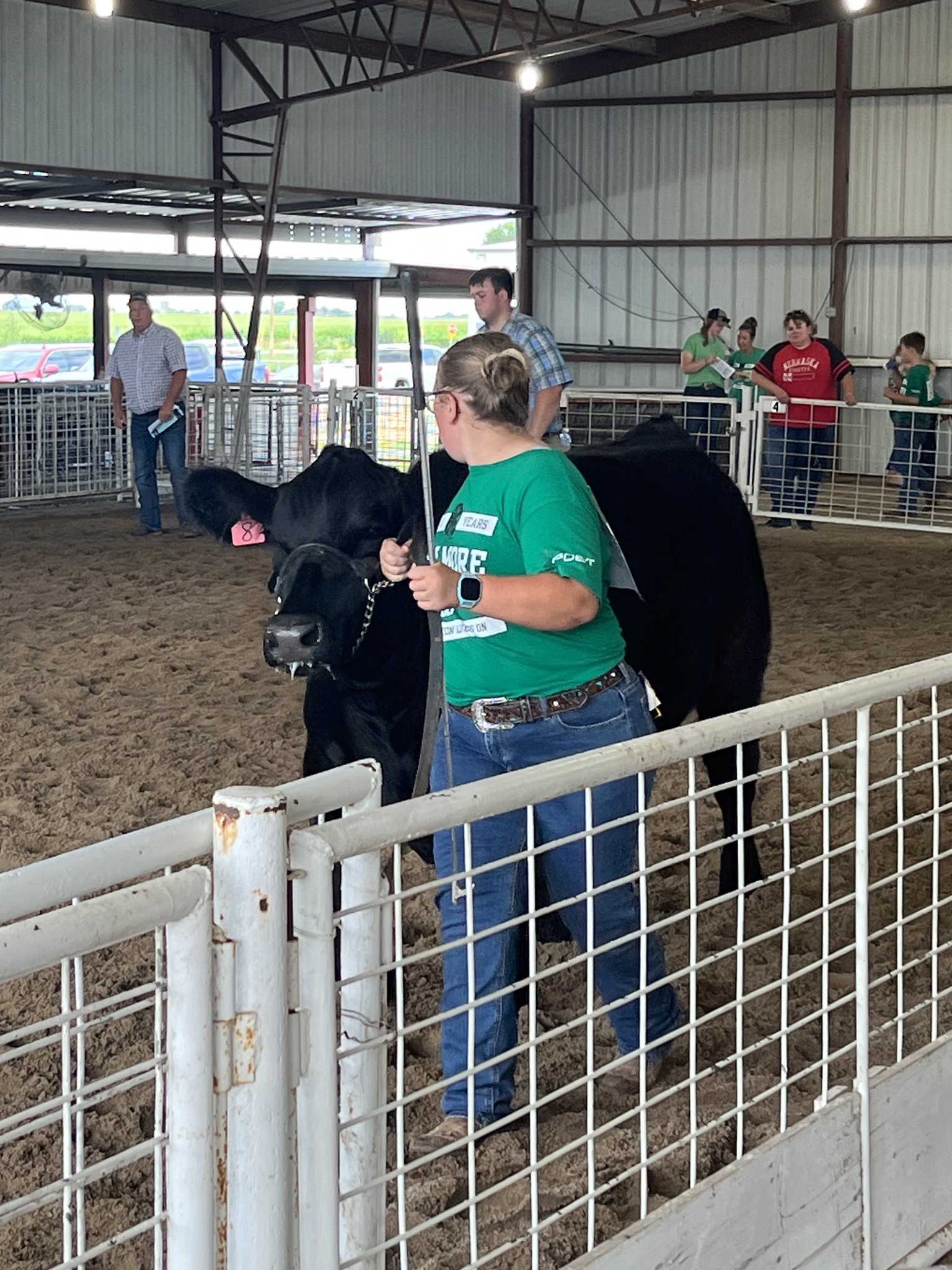
As you read this, the Nebraska State Fair is in full swing! While many think of special foods, entertainment, carnival rides, and competition as the hallmarks of a state fair, the event means much more to 4-H and FFA members. For them, the fair is the culmination of months—sometimes years—of hard work, dedication, and learning. It is an opportunity for their efforts to be recognized on a statewide stage.

In 2024, Kaitlin Rogers, a 4-H Youth Development Educator with the University of Delaware Extension, shared three key reasons why state fair participation benefits youth. While some benefits are most visible in live competitions such as livestock shows or public speaking contests, youth exhibiting static projects also gain valuable experiences.

  1. Responsibility and Personal Growth
    Advancing to the state fair requires commitment, time management, and accountability. Whether preparing a show animal, perfecting a recipe, or readying an art project, youth learn to take ownership of their work. Competitive events foster humility in success and grace in defeat—building resilience, empathy, and emotional maturity. In livestock competitions, exhibitors also take on the responsibility of animal care and answering questions from spectators, further developing personal growth.
  • Networking and Connection
    State fairs provide opportunities to connect with diverse audiences. Youth meet peers from across the state who share similar interests, often forming lasting friendships and exchanging ideas. They also gain valuable insights from judges, fellow competitors, and other exhibitors, whether in person or through viewing others’ work. These connections can broaden perspectives and inspire future goals.
  • Life Skill Development
    The preparation process sharpens essential life skills such as time management, goal setting, and perseverance. For example, a baked good might require multiple attempts to perfect, while showing an animal can demand patience—especially if the animal behaves differently in the show ring than at home. These experiences build confidence, pride, and practical abilities that serve youth in academics, careers, and personal life.

When you visit the Nebraska State Fair, take time to tour the livestock barns and 4-H/FFA exhibit buildings. Congratulate youth on their accomplishments, whether in person or when you see them back home. In a world where young people face many challenges, your encouragement may be the boost they need to take their next step forward with confidence.

The Nebraska State Fair runs August 22 – September 1, 2025, in Grand Island, Nebraska.

Crops, Youth

Youth Crop Scouting Competition Makes a Difference

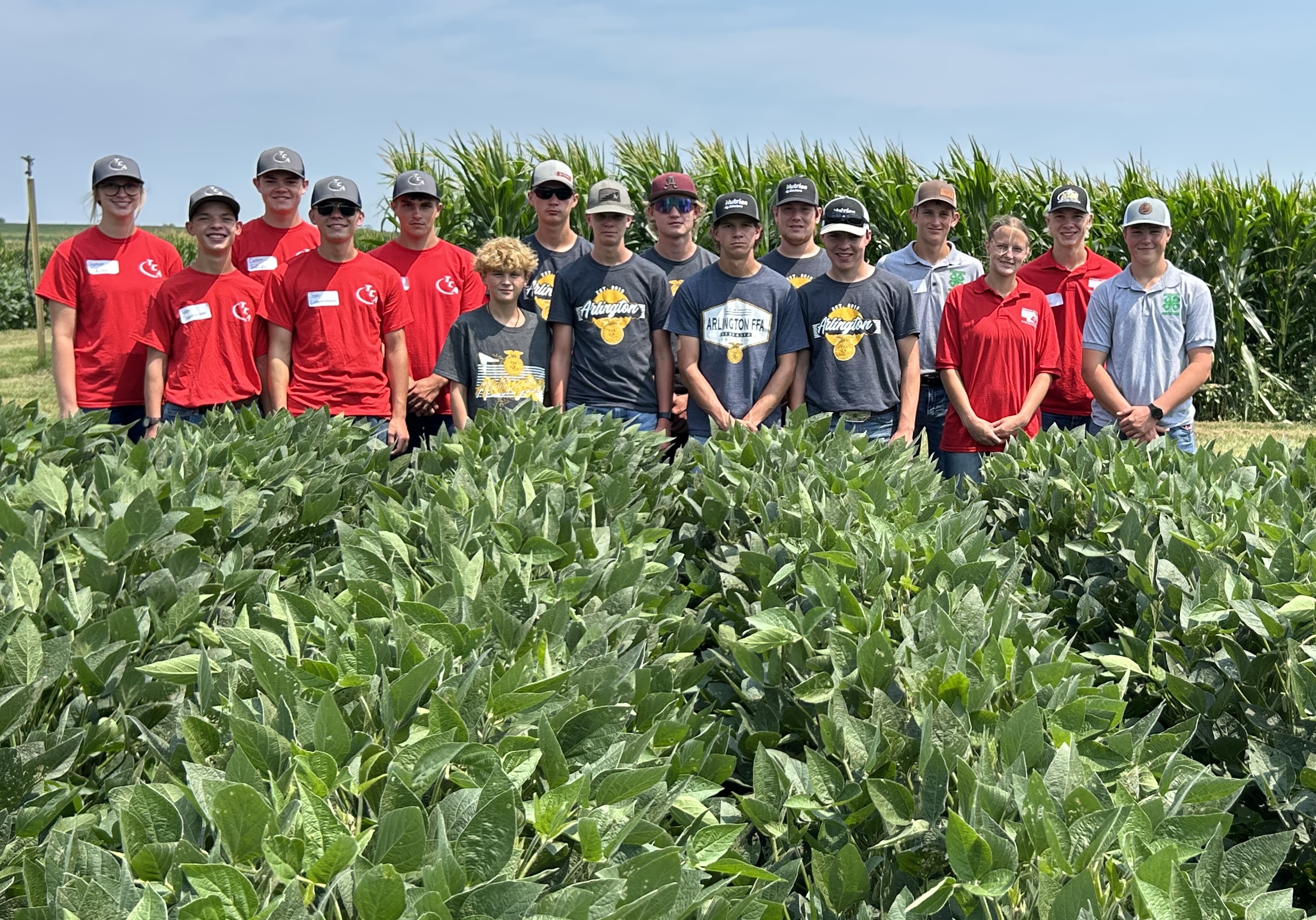
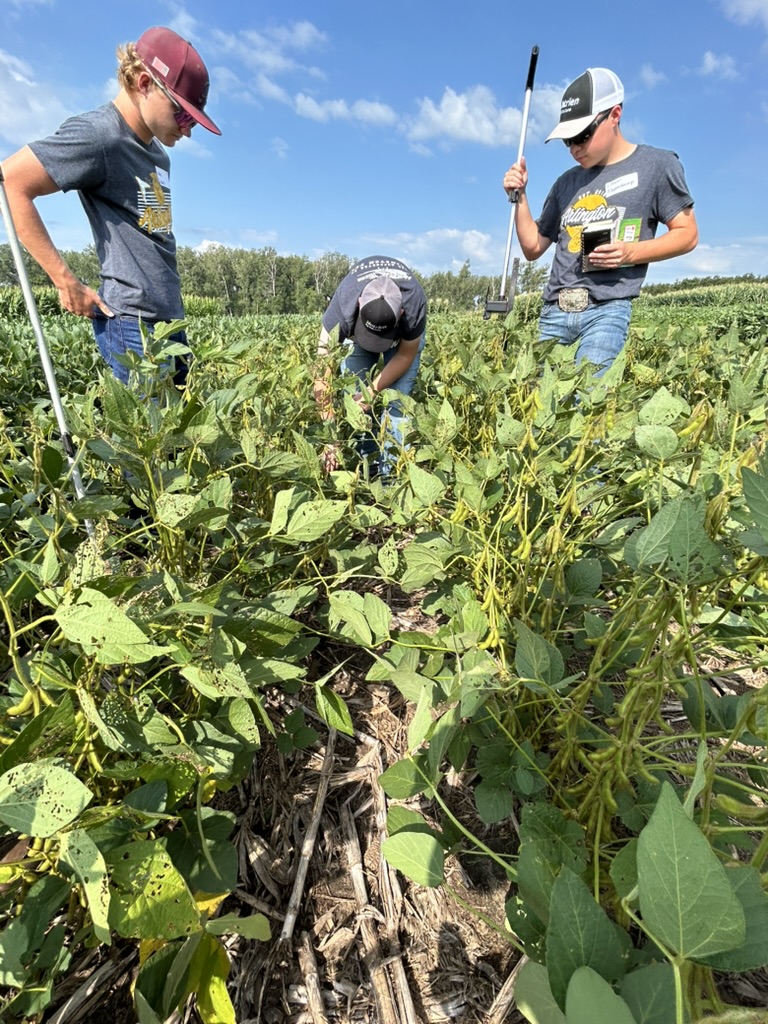
Nebraska Extension strives to recruit the next generation of agronomy professionals by annually conducting the Nebraska Youth Crop Scouting Competition. On August 5, 2025, held at the Eastern Nebraska Research and Extension Center, four teams were able to talk with Extension staff and scout field plots at the Research Center. This competition is a great experience for those wanting to work in many different fields of agriculture. This competition provides a fun competitive environment where teams can receive hands on learning about all aspects of crop scouting.

Receiving first place and a cash prize of $500 was Arlington FFA Chapter, team #1 with Aaron Fuchs, Wes Monke, Luke Sharp, and Ethan Hilgenkamp. Kali Agler was their sponsor. In second place and receiving $250 was the Colfax County 4-H team consisting of Justin Eisenmann, Josh Eisenmann Callen, Cody, & Daphne Jedlicka with Korbin Kudera and Justin Zoucha as their sponsors. Third place and receiving $100 was Johnson County 4-H consisting of Wesley Schmid, Cameron Werner, Sophia Schmid, and Levis Othmer with Jon Schmid as their coach. Also participating was Arlington FFA team #2 with Grant Monke, Logan Hilgenkamp and Brody Stark.

The Nebraska Youth Crop Scouting Competition is a recent national winner of the National Association of County Agricultural Agents, Excellence in 4-H & Youth Programming award. The competition promotes youth engagement and career development while strengthening connections between students and the agricultural industry. A 2024 long-term evaluation revealed that over 80% of participants gained valuable career insights, improved their pest identification skills, and expressed increased confidence in agricultural practices. Furthermore, 27 former participants reported a heightened interest in agricultural careers and enrolling in programs at the University of Nebraska–Lincoln (UNL).     

Feedback from coaches and mentors highlights the program’s lasting impact. One coach shared, “This has been a great learning opportunity for students. They’ve developed relationships with industries in our community that helped us succeed and develop real-world skills. Three students secured jobs through the relationships they built, and two obtained summer jobs.” This testimony underscores how the program creates meaningful industry connections and real career pathways for students.

A regional competition will be held among Nebraska, Iowa, Kentucky, Illinois, Indiana, & Minnesota teams hosted by Iowa State Extension on September 13, 2025. Participants from Colfax County 4-H and Arlington FFA will represent Nebraska this year.

The 2025 Nebraska Youth Crop Scouting Competition was sponsored by the Nebraska Independent Crop Consultant Association and the Nebraska Soybean Board in collaboration with Nebraska Extension.

For more information on the Youth Crop Scouting Competition, contact Brandy VanDeWalle at brandy.vandewalle@unl.edu or go to https://cropwatch.unl.edu/youth

Youth

Developing Citizenship & Leadership Skills

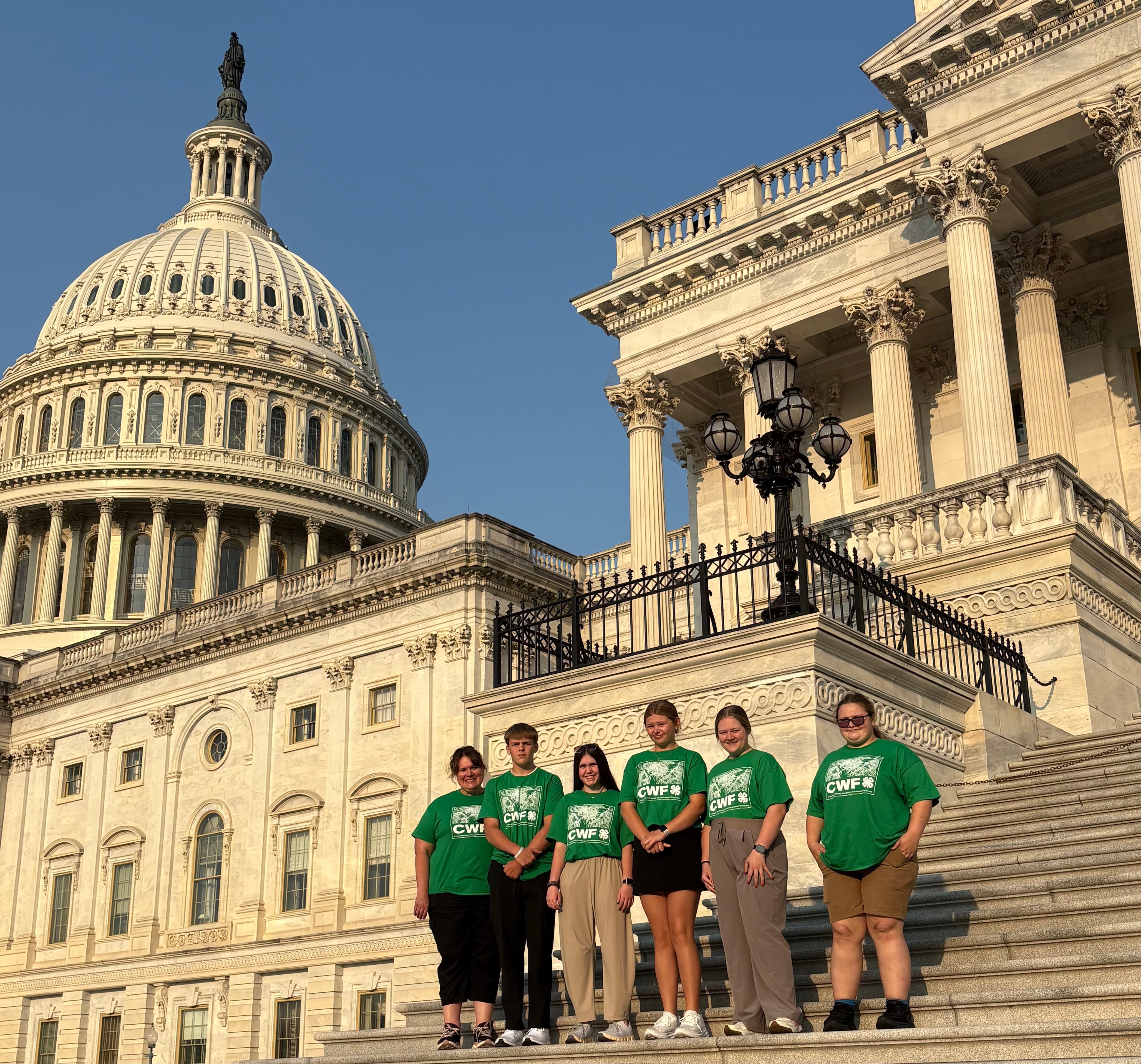
I recently had the privilege of chaperoning 16 youth from Clay, Fillmore, Adams, and Saline Counties on the Citizenship Washington Focus (CWF) trip. This impactful leadership experience is designed to help youth develop citizenship skills through hands-on learning in our nation’s capital. Throughout the week, participants:

  • Strengthen leadership, communication, and civic engagement skills to advocate on a national level.
  • Deepen their understanding of civic responsibility and its role in shaping effective citizens and leaders.
  • Exchange ideas, practice respect, and build connections with 4-H youth from across the country.
  • Explore U.S. history through meaningful experiences in Washington, D.C.
  • Create a “Lead to Change” action plan to make a positive difference in their local communities.

While at CWF, youth engaged in dynamic workshops that built their knowledge of government and equipped them to be informed, active citizens. They explored what it means to be a leader and developed personalized plans to bring about positive change in their communities using the skills they gained.

The Nebraska delegation also enjoyed enriching tours of national landmarks and historical sites. Highlights included a visit to New York City to see the Statue of Liberty, Ellis Island, and the 9/11 Museum. The group toured Gettysburg, Pennsylvania, where they learned about a Medal of Honor recipient buried in Dorchester Cemetery in Saline County. On the way to Washington, D.C., youth visited Mount Vernon, the historic home of George Washington.

In Washington, D.C., participants visited numerous monuments and memorials, including the Lincoln Memorial, Washington Monument, Vietnam Veterans Memorial, Korean War Memorial, FDR Memorial, and Thomas Jefferson Memorial. They observed the Changing of the Guard at Arlington National Cemetery and toured the Holocaust Museum and Smithsonian museums.

Leadership development continued through a series of engaging workshops focused on citizenship pillars, active listening, civil discourse, media literacy, understanding government operations, and advocacy. Youth also participated in a powerful First Amendment activity and met with congressional representatives and senators, including Representative Adrian Smith. He commended the students for their involvement and emphasized how fortunate they are to have this opportunity to explore our nation’s capital.

The 4-H Citizenship Washington Focus program empowers youth to grow as leaders and communicators through the lens of history, democracy, and the U.S. Constitution. A 2021 Tufts University longitudinal study on Positive Youth Development found that 4-H youth are:

  • Twice as likely as their peers to aspire to leadership roles.
  • Twice as likely to live with intentionality and purpose.
  • Three times more likely to be actively involved in community service.

Programs like CWF make a lasting impact on young people, equipping them to become thoughtful, engaged citizens who lead with purpose.

Crops, Youth

Innovative Youth Corn Challenge Update

A 13-year partnership with the NE Corn Board in the Innovative Youth Corn Challenge (IYCC), a youth on-farm research project has successfully engaged youth in agricultural, science-based learning. A long-term program evaluation shows that over 100 IYCC alumni have pursued agricultural or STEM careers, with nearly 300 youth participating. One Arlington FFA ag literacy video alone has nearly 1,000 views and 6 shares.

Latest evaluation results show that:

  • 100% of current IYCC participants enhanced their ability to 1) accurately identify pests, 2) understand crop scouting procedures, 3) set-up research plots, 4) determine profitability of practices and 5) evaluate new products/practices in the field.
  • “I enjoyed having a project last for a long duration and seeing the end results.” -Current Participant
  • As a result of this long-standing program, a former Innovative Youth Corn Challenge advisor reported that, “There have been numerous individuals that have gone into ag fields. Two have went to farming, one ag retail and one agronomy.”

As a result of this long-standing program, a former Innovative Youth Corn Challenge advisor reported that, “There have been numerous individuals that have gone into ag fields. Two have went to farming, one ag retail and one agronomy.”

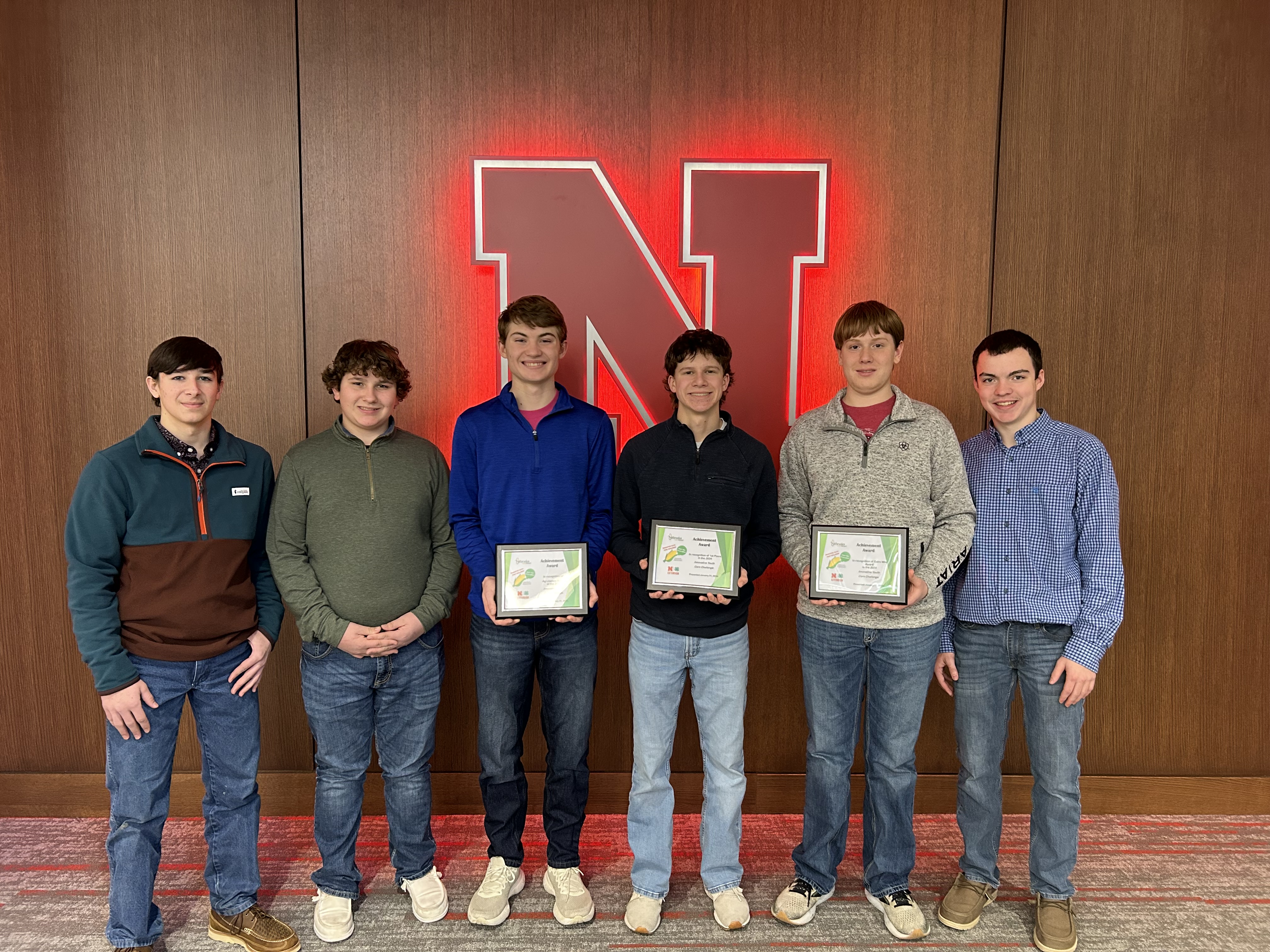
The winning team from the 2024 growing season was the Arlington FFA Chapter from Washington County consisting of Haydn Hegemann, Brock Lauristen, Luke Sharp, Wes Monke, Aaron Fuchs, & Ethan Hilgenkamp with Kali Agler as the team sponsor. The team decided to look at TerraMar, intended for foliar use in row crops which is intended to deliver increased nutrient uptake and enhanced stress mitigation, optimizing plant health and contributing to enhanced yield.

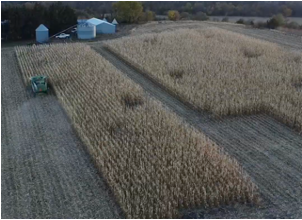
They planted the plot with two populations of 25K plants/acre and 30K plants/acre. On their challenge plots, they tested an application of TerraMar and a foliar fertilizer applied at the V6 growth stage and a drone application of TerraMar at the VT growth stage. Yields were the following:

  • Check Plots with 25K plants/acre yielded 178 bu/ac and 188 bu/acre at 30k plants/acre.
  • Challenge plot with 25K plants/acre with foliar fertilizer and TerraMar at V6 yielded 188 bu/acre.
  • Challenge plot with 30K plants/acre with foliar fertilizer and TerraMar at V6 yielded 199 bu/acre.
  • Challenge plot with 25K plants/acre with a V6 foliar fertilizer and TerraMar application and VT application of TerraMar yielded 188 bu/acre.
  • Challenge plot with 30K plants/acre with a V6 foliar fertilizer and TerraMar application and VT application of TerraMar yielded 203 bu/acre.

Considering all factors, the V6 application was the most efficient due in large part to the fact that application using a ground rig is less expensive than requiring a drone post-spray application. The team concluded that TerraMar did contribute to the plant health of the corn crop, reduce stress via lower canopy temperatures, and overall increased yields at both medium and higher planting rates, but due to the increased cost, not economically feasible at this time.

The Ag Literacy Award and Extra Mile Award was also presented to the Arlington FFA Chapter. This program is for youth aged to 8-18 as of January 1st in 2024. Prizes for participation in this project include 1st place – $1,000, 2nd place – $500, 3rd place -$250, “Extra Mile” Award $250, Ag Literacy Award $250 and $50 for completion of the project.  

In 2025, there is a NEW opportunity to increase involvement for youth with this program!  There will be two pathways for youth to select. The first pathway will be the traditional, “innovative” pathway in which participants choose their own treatments and manage their plots on their own.  The second pathway will be the business/industry pathway; this will include youth working with an industry representative to create a treatment and assist in the implementation of the plot protocol. This new and exciting twist to the Innovative Youth Corn Challenge program enables youth who might not otherwise have physical access to cropland or industry connections. When youth sign-up, they will select which pathway they intend to take.

For more information about this program and to register in 2025, go to https://cropwatch.unl.edu/youth/cornchallenge. Registration is due April 1st.

Contact Brandy VanDeWalle at brandy.vandewalle@unl.edu or (402) 759-3712 for details about this program. This program is possible due to the generous support of the Nebraska Corn Board.

Youth

Tips for a Healthier Halloween

For many, autumn events like Halloween are a time to wear costumes, go trick-or-treating, go to parties with friends, and eat sweet treats. Celebrations such as Halloween are a chance to have fun, provide healthy snack options, and be physically active with friends and family. Make your Halloween season healthier this year by getting plenty of physical activity to balance food intake and help children choose wisely and eat their treats in moderation. Below are tips to make your Halloween healthier for trick-or-treaters and guests.

Photo by Daisy Anderson on Pexels.com

Hand out healthier treats. 

  • Give out healthier treats for trick-or-treaters and party guests this year. The calories in all those bite-size treats can add up quickly. There are lots of options when it comes to healthier food treats.
  • Examples include cereal bars, packages of dried fruit, baked pretzels, trail mix, animal crackers, mini boxes of raisins, graham crackers, sugar-free gum or hard candy, snack-sized pudding containers, individual applesauce containers or squeeze pouches, sugar-free hot chocolate or apple cider packets, individual juice boxes (100% juice), or fig cookies.

Try out non-food treats. 

  • If you want to avoid handing out food this year, children will also enjoy non-food treats, such as things you would put in birthday goodie bags. Some non-food items are suitable for all ages, but small items should be limited to kids over age three.
  • Examples include small toys, pocket-sized games, plastic costume jewelry, glow sticks, tiny decks of cards, pencils, pencil toppers, fancy erasers, stickers (including reflective safety stickers), bookmarks, bottles of bubbles, whistles, coloring books, or small packages of crayons.

Promote physical activity.

  • Use party games and trick-or-treat time as a way to fit in 60 minutes of physical activity for kids. You can encourage and pump up the enthusiasm for being more active by providing small and inexpensive toys that promote activity.
  • Items could include a bouncy ball, jump rope, sidewalk chalk for a game of hopscotch or foursquare, or a beanbag for a hacky sack.

Moderation is key.

  • Halloween is a great time to discuss and demonstrate the importance of moderation. Keep track of children’s candy so they don’t go overboard in one sitting. Let them pick out a few treats on Halloween night and then let them have a few pieces each day after that.
  • Show kids treats can fit into a healthy eating plan in small amounts. Combine a treat, such as a fun-size candy, with a healthy snack like a piece of fruit. Be sure they eat the fruit first, so they don’t fill up on the candy.

Survive sweet treats at work.

  • Snack- or fun-size candies are small and easy to eat but eating several throughout the day can add up to extra calories. Keep the wrappers where you can see them, so they don’t accidentally pile up.
  • If you can’t just eat a few treats at work, start bringing healthier alternatives with you. Stock your snack bag or desk drawer with fruit cups, dried fruit, lightly sweetened whole grain cereal, graham crackers, low-fat pudding cups, popcorn, or granola bars.
  • Remember that friends or co-workers may also be struggling to stay motivated to make healthy changes. Lean on each other and be there when others need encouragement. This year make an effort to bring healthier treat options to work.

Find recipes and learn more at https://food.unl.edu.

Youth

Ready then. Ready now. Ready for anything.  

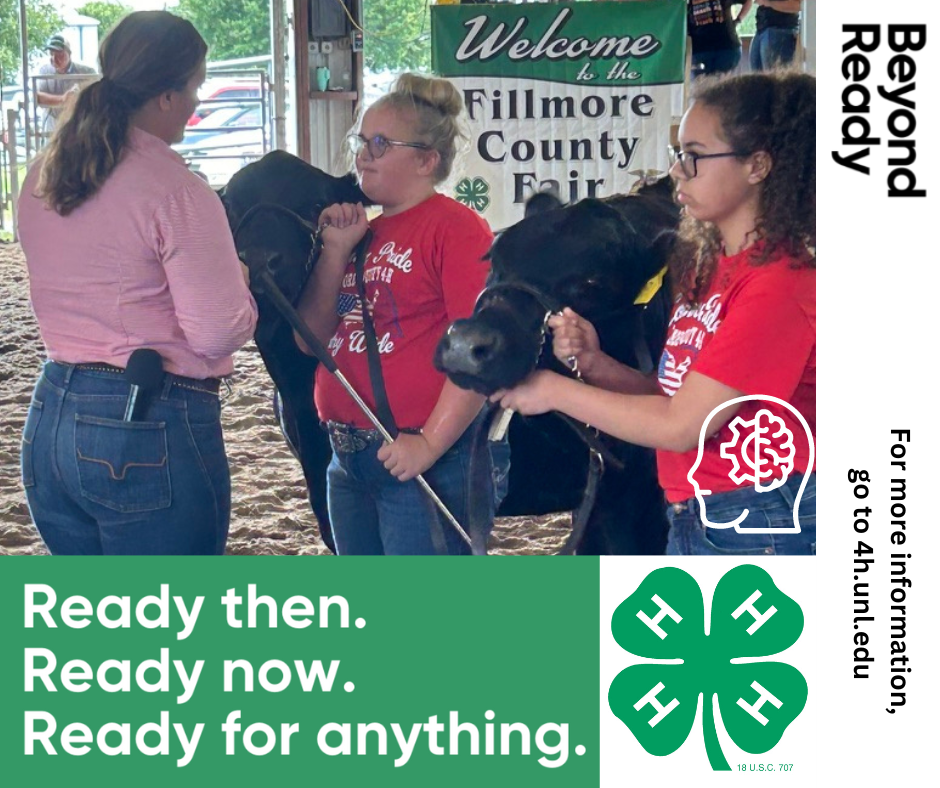
Celebrate National 4-H Week!

Nebraska 4-H is building a ready generation in a world of change. Today’s youth are growing up in a unique moment where the world is rapidly changing – life following a pandemic, and artificial intelligence are just a few factors affecting mental health, confidence, and the ability to find contentment in life. 

Since its beginning more than 120 years ago, 4-H has become the nation’s largest youth development organization. Nationally, 4-H serves over 6 million youth, ages 5-19, in rural, urban, and suburban communities in every state across the nation. In Nebraska, 4-H reaches one out of three who are age-eligible.  Young people need positive youth development experiences more now than ever. 4-H equips youth with skills for the future while meeting them where they are today. 4-H provides opportunities and experiences that shape young people into their full, authentic selves, enabling them to shine both now and in the future.  

The citizens of our state have helped shape the educational priorities for the Nebraska 4-H program. These programs incorporate quality learning experiences and science literacy, which are delivered through clubs, camps, school enrichment, afterschool, and special interest opportunities. Everything offered by Nebraska 4-H Youth Development is built around positive youth development (https://4h.unl.edu/pyd) as a way of preparing young people who are engaged, healthy, productive, and beyond ready for their future. 

Engaged, Healthy, and Productive Youth 

4-H embraces diversity in people, careers, and perspectives. Every child is valuable and deserves the support and freedom to choose their own path. 4-H believes in the potential of all youth and strives to let their talents flourish. 

Nebraska 4-H fosters youths’ commitment to their communities and growing future leaders. Through community development programs, youth develop and exercise leadership skills, gain a greater awareness of their civic responsibilities, and participate in service projects. They also provide youth voice to community decision bodies and are engaged, well-informed citizens who are active in their local and global communities.   

4-H has proven to instill confidence and resiliency. Dedicated to empowering youth in both body and mind, we rely on scientifically-backed studies and programming that drive youth forward so they can be prepared for anything.  

Nebraska 4-H educates youth about making healthy and safe decisions in their daily lives. Through healthy living programs, youth gain knowledge and develop skills for making healthy and safe decisions in their daily lives, acquire an understanding of what positive relationships look like, practice healthy and safe decision-making, and exhibit increased resiliency.  

4-H equips youth with skills for the future while meeting them where they are today. Through 4-H, opportunities and experiences are offered that shape youth into their full, authentic selves, enabling them to shine both now and in the future. Through College and Career Success programs, 4-H youth develop the knowledge, skills, and mindsets through experiential learning opportunities to explore potential postsecondary education and career options. Nebraska 4-H prepares youth to make informed decisions about their careers and college paths. Programs assist young people with developing skills that will lead to greater persistence in college and employability.  

To learn more about how you can get involved, visit 4h.unl.edu.

Youth

Empathy Has Power

A couple of weeks ago, I was fortunate to teach 10 middle school youth a leadership curriculum that included topics such as active listening, making introductions, utilizing their strengths, and how effective leaders and teams use synergy and empathy. There was a great video I shared with the youth titled, “Empathy Can Change the World.” It was a powerful video as it illustrated the power of having compassion for others. So this week, I thought I’d share how empathy can have long-lasting, positive impacts.

Photo by Kevin Malik on Pexels.com

Empathy can often be confused with sympathy. Sympathy is a feeling of concern for someone who is going through something difficult, while empathy is the ability to share in someone’s emotional experience. Sympathy is more cognitive and involves keeping some distance, while empathy is more emotional and requires putting yourself in the other person’s shoes. Helen Riess, Associate Professor of Psychiatry at Harvard Medical School, points out that, “The ability to connect empathically with others—to feel with them, to care about their well-being, and to act with compassion—is critical to our lives, helping us to get along, work more effectively, and thrive as a society.”

Empathy relies on specific parts of the brain that enable an emotional connection with others and provide us with the motivation to care. Some people can absorb another’s pain or emotions and genuinely care for a person. People who have a difficult time expressing empathy usually desire to preserve their own well-being and focus on carrying on with their own lives. Riess describes other instances where empathy is crucial—for example, when we encounter people who are different from us, when we ourselves have made a mistake and need self-empathy, in our workplaces, and even within government.

For people who do not naturally possess empathy, it can be learned. In fact, the educational sector has curricula and lessons teaching youth how to be more empathetic. Literature shows many benefits of empathy in education, including building a positive classroom culture, strengthening community, and preparing students to be leaders in their own communities. Developing an empathetic classroom involves creating an environment where youth feel safe and secure, ensuring consistency and predictability, and helping youth practice self-regulation skills. Relationships matter. Help kids build relationships that inspire them to trust and care for others.

In conclusion, students who are empathetic are more cooperative in class, have better relationships with their teachers, and are more engaged in school. Increased empathy can decrease bullying and aggression among kids and make them kinder and more inclusive toward classmates. More empathetic children are more likely to show prosocial behavior, such as sharing, helping, and comforting others.

To end this article, I will use a quote from Helen Riess: “We have hope to help shape a more civil society, respectful discourse, understanding of others, and a humane world.”

Youth

Heavy Equipment Career Exploration Day

Youth are invited to register and attend the Heavy Equipment Career Exploration Day set for Thursday, June 13, 2024, at Central Community College – Hastings Campus. This program is open to any youth entering 8th through 12th grade in fall 2024. Participants will navigate and drive CCC’s virtual heavy equipment simulators, get behind-the-wheel experience with a variety of Heavy Equipment, learn about CCC’s Heavy Equipment program, and enjoy a panel discussion from heavy equipment operators. Attendees and families may participate in campus tours at the conclusion of the program. Participants can find registration information at https://go.unl.edu/heavyequipment.

Registration is $30 with a May 31st deadline. For questions, please contact Beth Janning at the Adams County Extension Office; 402.461.7209. This program is a partnership with Central Community College, Nebraska Extension 4-H Youth Development, and Nebraska Local Technical Assistance Program (LTAP).