Youth

Sportsmanship starts with Adults!

Webster’s Third International Dictionary defines sportsmanship as “conduct becoming to an individual involving fair and honest competition, courteous relations and graceful acceptance of results”.  Sportsmanship starts with parents teaching their youth how to accept a win or a loss, although in the 4-H youth development program, even if the youth receives a red ribbon, nothing is lost as long as some basic knowledge and skills were gained. Too often in our society we focus on the tangible results of a ribbon or trophy and don’t think about the process that youth went through to achieve the end results and what was learned from that process.
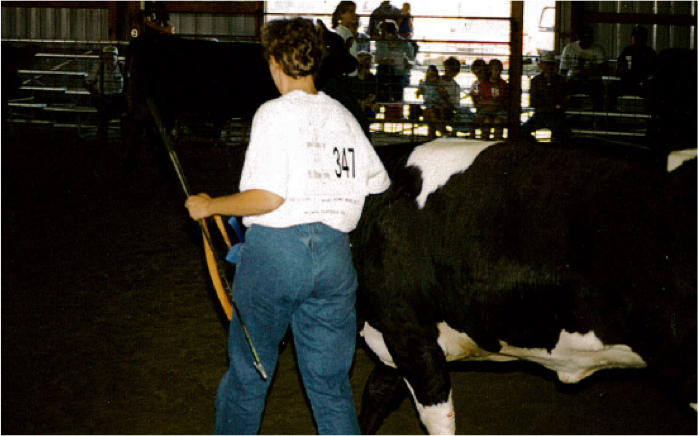
I enjoyed showing cattle and while purples were exciting to receive, the ribbon placing didn't matter; it was the learning experience and fun had with friends!
I enjoyed showing cattle and while purples were exciting to receive, the ribbon placing didn’t matter; it was the learning experience and fun had with friends!

I often use the example that as a youth, I’ll never forget receiving a red ribbon for a market heifer; I was frustrated, but will never forget my dad asking me, what the judge said in the comments.  After we talked it over, I realized his reasoning and was able to understand the type of animal I should select for the following year. That was a lesson I’ll never forget.  My dad and mom also told my sister and me that if we wanted a trophy that badly, instead of spending a large amount of money on an animal just to win or using unethical practices, they’d go out and buy us our own trophy.  For these reasons, it is really rewarding to work with youth who are happy with any ribbon placing.

Three reasons adults and teen leaders should be concerned with developing sportsmanship are:

1. Youth programs are easier to conduct and are more positive experiences for everyone involved if good sportsmanship is demonstrated.

2. The development of sportsmanship is an important part of youth development. Youth and adults who develop and show good sportsmanship get along better, and are much more successful on a long-term basis in becoming self-directing, productive, contributing, competent, caring, capable adults, than are those whose behavior is un-sportsmanship-like.

3. Sportsmanship is one of the key elements of civilized society. Those who think of the “big picture” know the reasons for developing sportsmanship extend beyond an individual, a community, or a program. When societies allow sportsmanship to decline, their civilizations also decline.

As we get ready for another Fillmore County Fair, let’s be reminded that the end result is not the ribbon placing, but the skills that each youth learned!

Source: Kathryn J. Cox, Ohio Extension 4-H Specialist, Youth Development, Developing Sportsmanship- A Resource For Preparing Youth And Their Families For Participation in Competitive Programs and Events, 2006
Crops, Youth

Youth Crop Scouting Competition

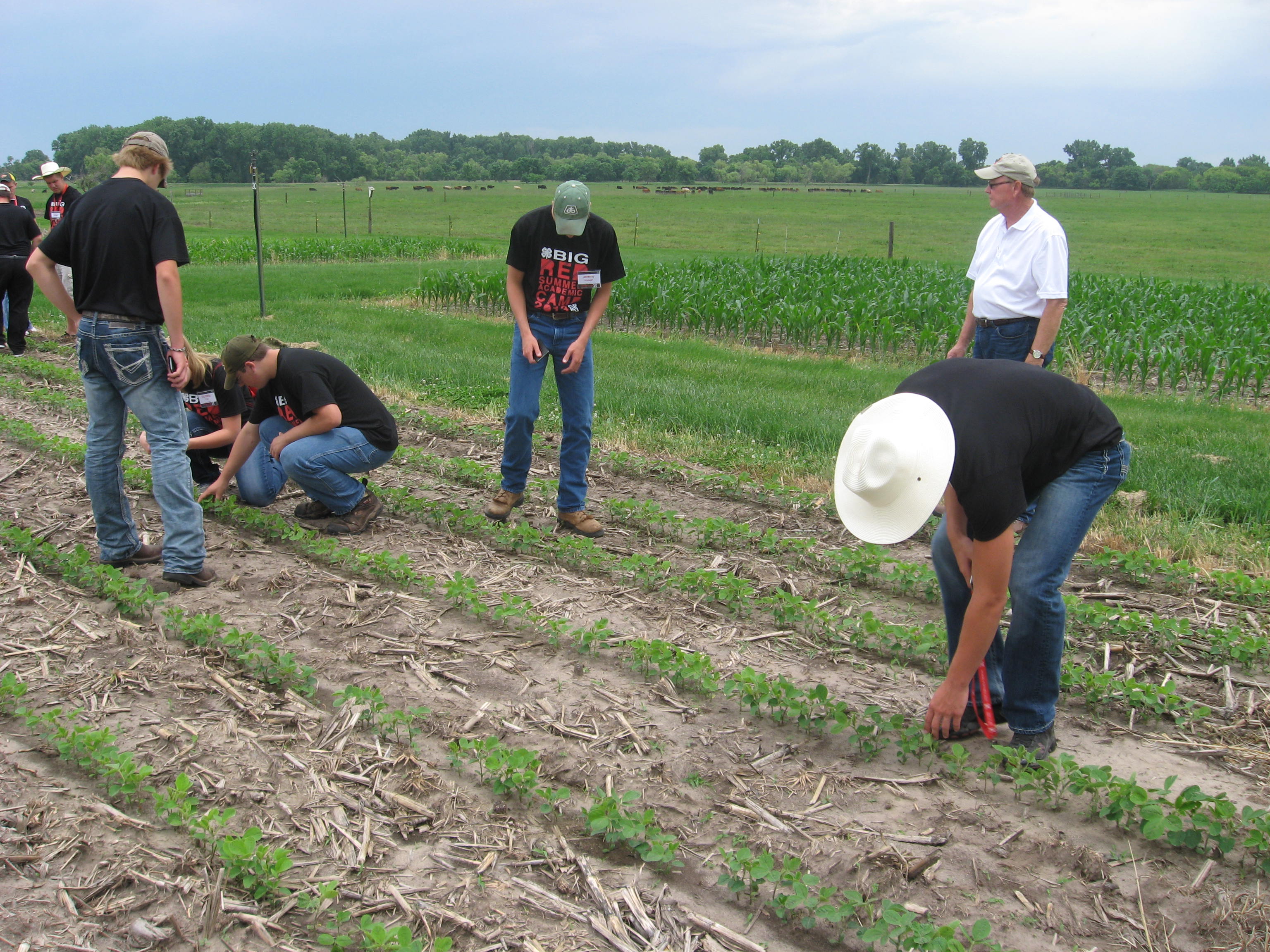
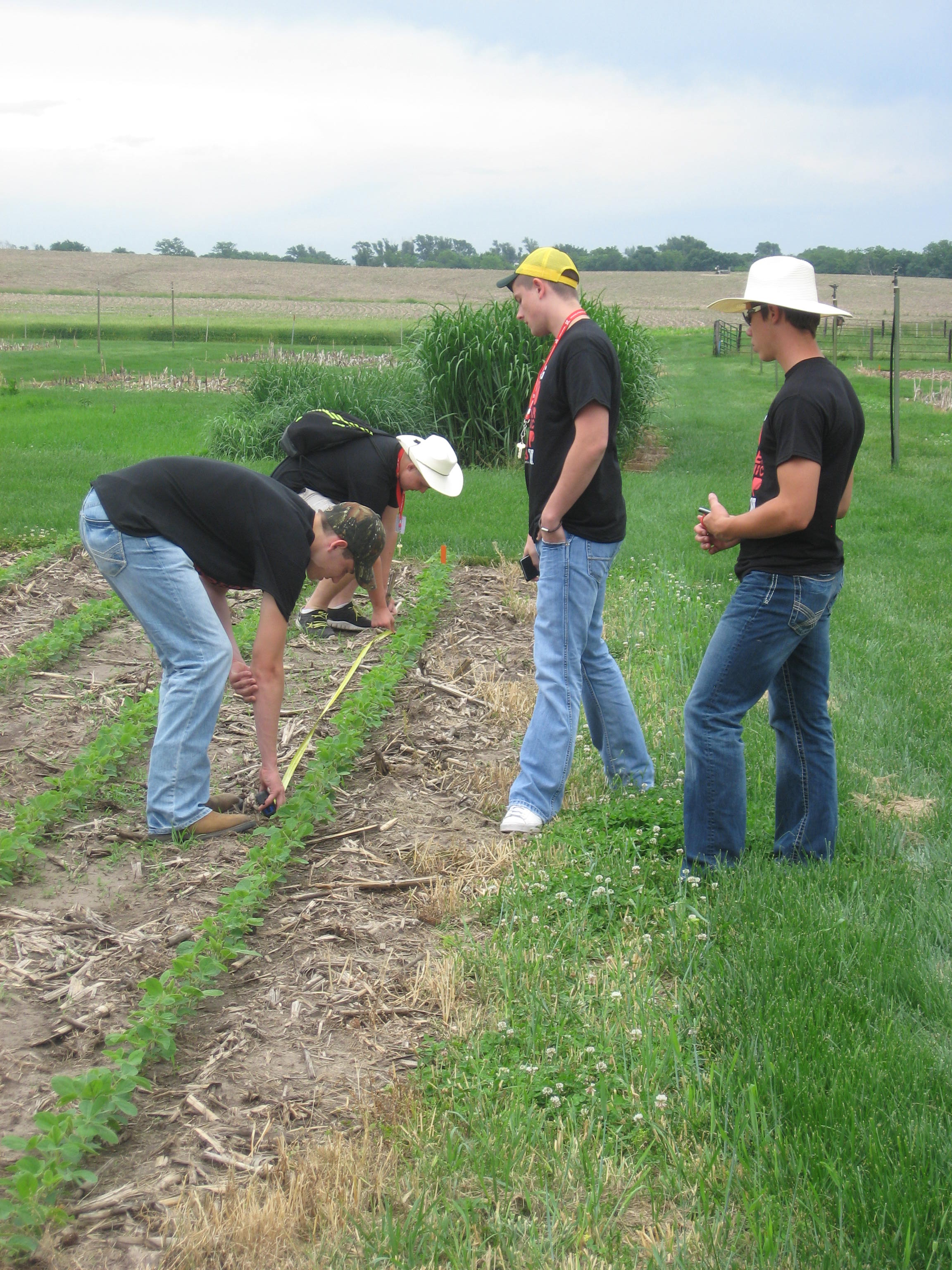
My extension focus has been engaging youth in plant sciences, especially agronomy. Last year I had the opportunity to attend the Iowa Youth Crop Scouting Competition where ISU Extension faculty worked with 4-H and FFA youth to not only compete in an agronomic principles contest, but most importantly learn about various pests which affect corn and soybeans in addition to other abiotic and biotic factors. It is my pleasure to bring this program to Nebraska with 2014 as the pilot year. Details for this new program are provided below.BRC13 094

The University Of Nebraska – Lincoln Extension is pleased to present the first annual Crop Scouting Competition for Nebraska youth. It will be held in at the ARDC near Mead, Nebraska on August 6, 2014. The event will include both indoor and outdoor events. Teams of junior high and high school students (those completing 7-12th grades) from across Nebraska are invited to participate.

The purpose of the competition is to provide students an opportunity to learn crop scouting and principles of integrated pest management (IPM) for corn and soybeans in Nebraska, to obtain knowledge and skills that will be helpful in future careers and to demonstrate newer crop scouting technologies.

Schools, clubs or other organizations may enter a team composed of three or four participants. An adult team leader must accompany each team of students. Team leaders could be FFA advisors, crop consultants, extension staff, coop employees, etc.

Top-scoring teams win prizes: $500 for first, $300 for second, $250 for third and $100 for fourth place.

Teams will be expected to know the basics of scouting corn and soybean fields. This includes crop staging; looking for patterns of crop injury; disease, insect and weed seedling identification; etc. Other topics many include but are not limited to, pesticide safety, nutrient disorders, and herbicide injury.

More information about the crop scouting competition and instructions on how to register a team are available online at cropwatch.unl.edu/youth. Click on the link that says, “Crop Scouting Competition”.

Teams must be registered by July 15. Registration is $50/team; the fee will be refunded when the team attends the competition. Payment by check is due along with the registration form by July 15. This program is sponsored by DuPont Pioneer and UNL Extension.

Programming, Youth

Keeping Youth Safe in Rural Communities

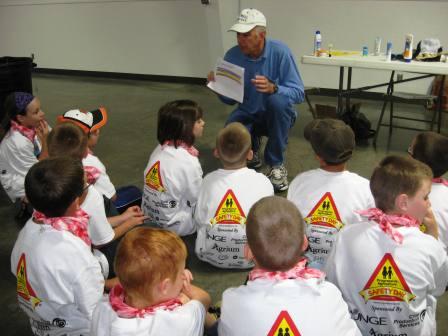
Each year Nebraska’s farmers and ranchers come close to an accident – in the field, in livestock pens, in grain piles. Youth in rural areas are not excluded from this. To help teach youth safe on farms and rural communities, a Progressive Agriculture Safety Day was held in Geneva on May 29th, 2014 for area 2-6th grade youth. The program was coordinated by the local WIFE (Women Involved in Farm Economics ), Fillmore Central and Shickley FFA Chapters, the University of Nebraska-Lincoln Extension in Fillmore County, with several other local businesses and organizations provided funding.

Eight-two youth participated in this year's program.
Eight-two youth participated in this year’s program.

Nearly three hundred volunteer hours were spent preparing for this event! Topics taught included animal safety, weather safety, citizen safety, food safety, electrical safety, ATV safety, mower safety, roll over demonstration, water safety and tractor safety. Nearly 50 older youth and adults volunteered their time to make the event happen. Presenters were from the NE State Patrol, UNL Extension, Fillmore Central FFA, Shickley FFA, Plains Power, Nick’s Farm Store, National Weather Service, Fillmore Co. Emergency Management, Geneva Activity & Education Dept., Farm Safety For Just Kids and Extension’s Master Naturalist program. A special thanks goes to the Fillmore County Ag Society for use of excellent facilities.

One session taught youth that their reaction time isn’t quick enough to save them if they had to make a split decision in addition to other tractor safety tips.

In addition to these hands-on sessions, youth received a headgear flashlight to take home and a “goodie bag” with educational safety materials reminding them and their parents what was learned. Progressive Agriculture Safety Day was conducted through the Progressive Agriculture Foundation, so each participant and volunteer received a t-shirt from Progressive Agriculture sponsors. Special thanks to sponsors for making this event happen at low cost to the youth!

At the conclusion of the day, youth expressed that they had a great time and learned safety tips that may someday save their or someone else’s life.

Youth

Tractor Safety Courses

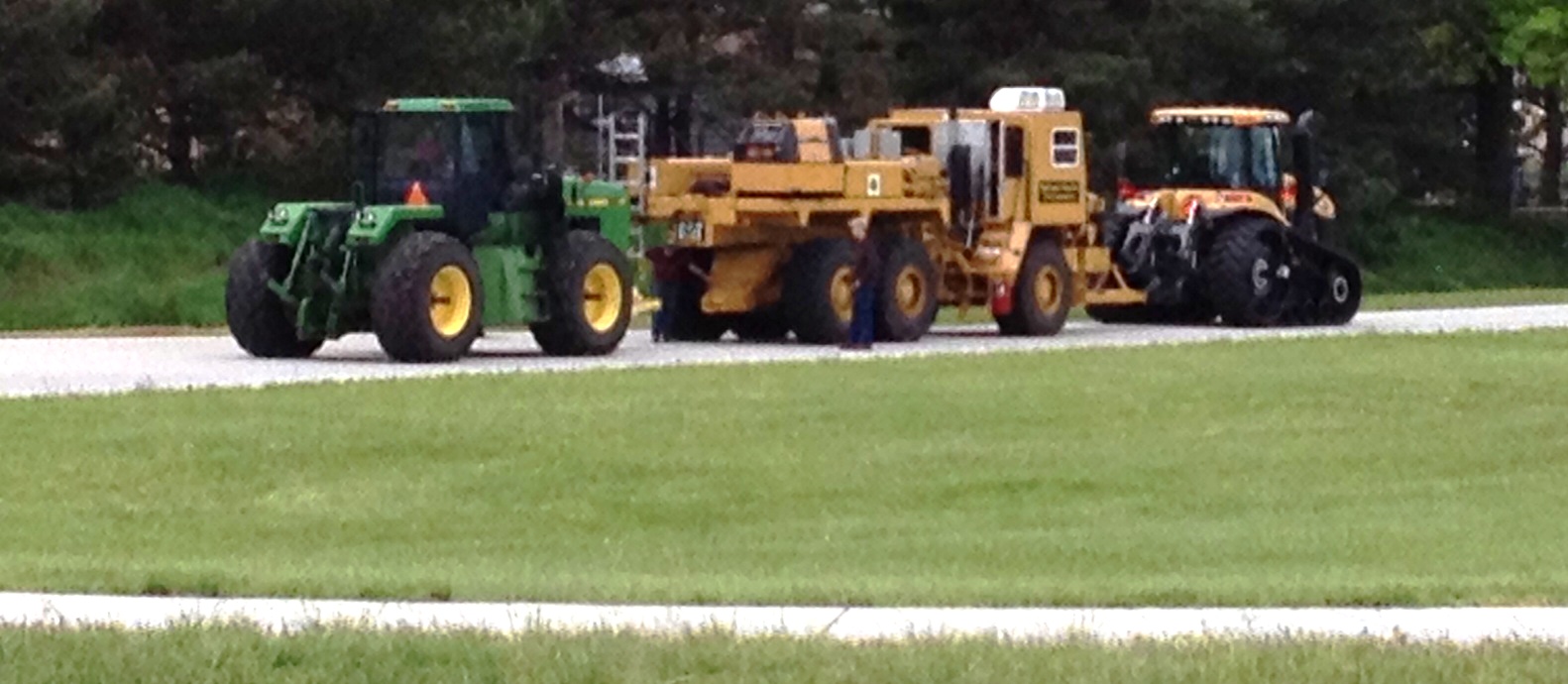
University of Nebraska-Lincoln Extension Tractor Safety/Hazardous Occupations Courses will be offered at seven locations in Nebraska during May and June. Any 14 or 15-year-old teen that plans to work on a farm other than their parents’ should plan to attend. Federal law prohibits youth less than 16 years of age from working on a farm for anyone other than his or her parents. Certification through the course grants an exemption to the law allowing 14- and 15-year-olds to drive a tractor and to do field work with mechanized equipment.tractorTestLabphoto

According to Extension Educator, Sharry Nielsen, the most common cause of death in agriculture accidents in Nebraska is overturn from tractors and all-terrain-vehicles (ATVs). Tractor and ATV overturn prevention are featured in the class work. “Instilling an attitude of ‘safety first’ is a primary goal of the course,” Nielsen said. “Where youth have the chance to learn respect for agricultural jobs and the tools involved.”
Classes consist of two days of instruction plus homework assignments. Classes are from 8 a.m.- 5 p.m. each day. Dates and locations include:
— May 22-23, Fairgrounds, Kearney
— May 28-29, Haskell Ag Lab, Concord
— June 2-3, West Central Research and Extension Center (WCREC), North Platte
— June 5-6, Fairgrounds, Valentine
— June 12-13, Farm and Ranch Museum, Gering
— June 16-17, College Park, Grand Island
–June 19-20, Ag Research and Development Center (ARDC), Mead

Pre-registration is strongly encouraged at least one week before a location’s start date to the Extension Office at the course site. Cost is $60, which includes educational materials, testing, supplies, lunches and breaks. For more information, contact the Extension Office or Sharry Nielsen at (308) 832-0645, snielsen1@unl.edu.

The first day of class will consist of intensive classroom instruction with hands-on demonstrations, concluding with a written test that must be completed satisfactorily before students may continue driving tests the next day. Classroom instruction will cover the required elements of the National Safe Tractor and Machinery Operation Program. Homework will be assigned to turn in the next day. The second day will include testing, driving and operating machinery. Students must demonstrate competence in hitching equipment and driving a tractor and trailer through a standardized course as well as hitching PTO and hydraulic systems.

Youth

UNL Extension Tractor Safety Courses Offered Across Nebraska

University of Nebraska-Lincoln Extension Tractor Safety/Hazardous Occupations Courses will be offered at seven locations in Nebraska during May and June. Any 14 or 15-year-old teen who plans to work on a farm other than their parents’ should plan to attend.Harvest

Federal law prohibits youth under 16 years of age from working on a farm for anyone other than their parents.   Certification through the course grants an exemption to the law allowing 14- and 15-year-olds to drive a tractor and to do field work with mechanized equipment.

The most common cause of death in agriculture accidents in Nebraska is overturn from tractors and all-terrain-vehicles (ATVs), said Sharry Nielsen, UNL Extension Educator. Tractor and ATV overturn prevention are featured in the class work. Classes consist of two days of instruction plus homework assignments. Classes are from 8 a.m.- 5 p.m. each day. Dates and locations closest to us include:

— May 22-23, Fairgrounds, Kearney
— June 16-17, College Park, Grand Island
–June 19-20, Ag Research and Development Center (ARDC), Mead

Pre-registration is strongly encouraged at least one week before a location’s start date to the Extension Office at the course site. Cost is $60, which includes educational materials, testing, supplies, lunches and breaks. For more information, contact the Extension Office or Sharry Nielsen at (308) 832-0645, snielsen1@unl.edu.

The first day of class will consist of intensive classroom instruction with hands-on demonstrations, concluding with a written test that must be completed satisfactorily before students may continue driving tests the next day. Classroom instruction will cover the required elements of the National Safe Tractor and Machinery Operation Program. Homework will be assigned to turn in the next day.

The second day will include testing, driving and operating machinery. Students must demonstrate competence in hitching equipment and driving a tractor and trailer through a standardized course as well as hitching PTO and hydraulic systems.

Youth

Big Red Crops Camp: Youth Discover Crop Science

Are you interested in science, agriculture, plants, crops, insects, or diseases? If so, join our team of detectives to solve crop-related problems in the Crop Science Investigation (CSI) Big Red Camp!

Youth participate in hands-on activities and network with University of Nebraska-Lincoln faculty.

Become a detective while participating in hands-on sessions to learn about and increase your knowledge of crops, science, and agricultural careers. Youth detectives will interact with agronomic professionals across Nebraska to solve experiments in: nutrient management; managing disease, insect and weed problems; water management; crop production, and much more! Do you have what it takes to become a CSI detective?

There are a variety of careers related to plant sciences such as: Agricultural Communicator; Agronomist; Crop Consultant; Crop Insurance Adjuster; Educator; Co-op Manager; Farmer or Rancher; Farm Credit Banker; Field or Lab Researcher; Plant Breeder; Soil or Water Conservationist; Seed, Fertilizer, or Chemical Sales; or Technical Representative.

Last year, nine youth participated in the camp and one participant said, “It (the camp) let me see all of what an agronomy career is made up of.” All youth said they would recommend this camp to their friends. As I write this, there are several spots already taken, so be sure and get your registration form in soon to ensure a spot at this year’s camp.

To register or download a camp brochure, visit BIGREDCAMPS.UNL.EDU by May 1st. If you have questions about the camp or the required essays, please feel free to contact Brandy VanDeWalle at brandy.vandewalle@unl.edu or 402-759-3712.

Programming, Youth

Innovative Youth Corn Challenge

Below I’m featuring information about a program in its third year, which involves youth utilizing knowledge in crops, specifically corn.Today’s agricultural world faces several challenges, one of them being the decline of our most valuable resource, the future workforce. Keeping youth in rural communities and involved in production agriculture is important to the agricultural industry. With the global population expected to reach 9 billion by 2050, there is and will be the need for more young people to engage in agricultural careers to feed the world.CornYieldChallenge

The University of Nebraska-Lincoln Extension and the Nebraska Corn Board have teamed up to offer the 3rd Innovative Youth Corn Challenge contest. This contest, open to 4-H members (age 10 & older as of Jan. 1st) or FFA members (in-school members), will guide youth through all aspects of corn production, as well as agricultural careers related to corn production.  As a team, youth will be challenged to implement a production practice different than normal to determine if they increased their yield. Economics and sustainability of the practice will also be considered. Yields, cropping history, and production information will be collected in the Corn Yield Challenge management summary.

Goals of the contest are:achieve new, innovative, and economically feasible crop production methods to improve yields; provide research data for producers to implement in their operations; distribute data to corn producers, researchers, and agri-businesses for decision making purposes; introduce youth to a variety of agronomic professionals, including corn producers.

As a team, youth will work with an adult mentor throughout the process. Mentors can be extension faculty, ag teachers, or other qualified agronomy professionals. 

Cash prizes and plaques will be given to the first, second, and third place teams. First place will receive $1,000, second place will receive $500, and third place will receive $250.  A data completion and innovation award will also be given. Faced with a persistent drought, there will also be a “limited resource” award, which will be based on participants achieving a higher yield with limited inputs.

To participate, youth must complete and return an entry form by April 1st to the Fillmore County Extension Office in Geneva, NE.  For more information, contact Brandy VanDeWalle at brandy.vandewalle@unl.edu, Aaron Nygren at anygren2@unl.edu or Amy Timmerman at atimmerman2@unl.edu.

Horticulture, Youth

Hands to Larger Service

 “I give my head to clearer thinking, my heart to greater loyalty and my hands to larger service and my health to better living….” That is how the 4-H

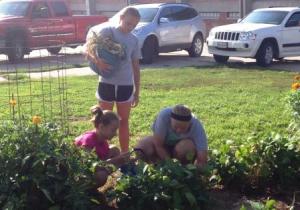
picking2websitePledge starts out and is just what Fillmore County 4-H’ers have done for three years in a row! In collaboration with the Farm Service Agency and Natural Resources Conversation Service offices in Geneva, 4-H’ers planted, cared for and harvested vegetables for those who might not otherwise have access to fresh produce.

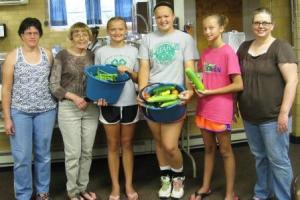
Last year, over 260 pounds of produce was harvested! This year has been a little challenging with the garden due to pests and weather, but we still have harvested approximately 75 pounds of produce with more still to come.  Since the small garden was established three years ago, it has yielded over approximately 400 pounds of produce. Several 4-H youth continued to express an interest this year, so the garden was planted with produce going to the Geneva Senior Center programs.

GardenHarvest13web

Over the summer, 4-H’ers, FSA and NRCS staff took turns caring for the garden, increasing their horticultural skills while learning responsibility, service and other important life skills. This has been a great project allowing youth to not only learn, but fulfill the purpose of 4-H by using their hands for larger service.

If you are interested in contributing or participating in the Fillmore County Community Garden in the future, please contact the Fillmore County Extension Office at 402-759-3712.

Livestock, Youth

Sportsmanship starts with Adults!

Webster’s Third International Dictionary defines sportsmanship as “conduct becoming to an individual involving fair and honest competition, courteous relations and graceful acceptance of results”.  Sportsmanship starts with parents teaching their youth how to accept a win or a loss, although in the 4-H youth development program, even if the youth receives a red ribbon, nothing is lost as long as some basic knowledge and skills were gained. Too often in our society we focus on the tangible results of a ribbon or trophy and don’t think about the process that youth went through to achieve the end results and what was learned from that process.

I often use the example that as a youth, I’ll never forget receiving a red ribbon for a market heifer; I was frustrated, but will never forget my dad asking me, what the judge said in the comments.  After we talked it over, I realized his reasoning and was able to understand the type of animal I should select for the following year. That was a lesson I’ll never forget.  My dad and mom also told my sister and me that if we wanted a trophy that badly, instead of spending a large amount of money on an animal just to win or using unethical practices, they’d go out and buy us our own trophy.  For these reasons, it is really rewarding to work with youth who are happy with any ribbon placing.

Three reasons adults and teen leaders should be concerned with developing sportsmanship are:

1. Youth programs are easier to conduct and are more positive experiences for everyone involved if good sportsmanship is demonstrated.

2. The development of sportsmanship is an important part of youth development. Youth and adults who develop and show good sportsmanship get along better, and are much more successful on a long-term basis in becoming self-directing, productive, contributing, competent, caring, capable adults, than are those whose behavior is un-sportsmanship-like.

3. Sportsmanship is one of the key elements of civilized society. Those who think of the “big picture” know the reasons for developing sportsmanship extend beyond an individual, a community, or a program. When societies allow sportsmanship to decline, their civilizations also decline.

As we get ready for another Fillmore County Fair, let’s be reminded that the end result is not the ribbon placing, but the skills that each youth learned!

Source: Kathryn J. Cox, Ohio Extension 4-H Specialist, Youth Development, Developing Sportsmanship- A Resource For Preparing Youth And Their Families For Participation in Competitive Programs and Events, 2006

Youth

Progressive Ag Safety Day

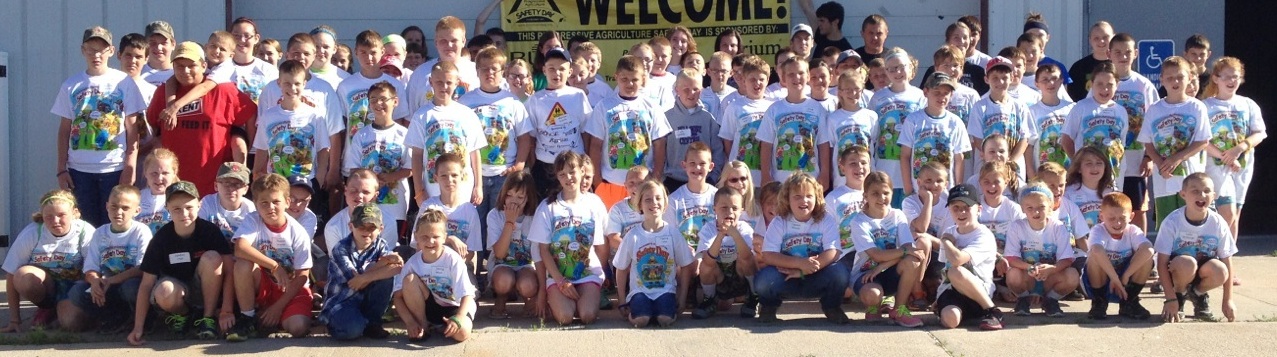
GroupPic13Web

Each year Nebraska’s farmers and ranchers come close to an accident – in the field, in livestock pens, in grain piles. Youth in rural areas are not excluded from this. To help teach youth safe on farms and rural communities, a Progressive Agriculture Safety Day was held in Geneva on May 30, 2013 for area 2-6th grade youth. The program was coordinated by the local WIFE (Women Involved in Farm Economics), Fillmore Central and Shickley FFA Chapters, the University of Nebraska-Lincoln Extension in Fillmore County, and several other local businesses and organizations provided funding.

SunSafetyWEBTopics taught included sun safety, fire safety, internet safety, teamwork/leadership, chemical look-alikes, kids get arthritis too, grain safety, underground utility safety, tractor safety, and agricultural awareness. Nearly 50 older youth and adults volunteered their time to make the event happen.  In addition to these hands-on sessions, youth received a first aid kit to take home, flashlight and a “goodie bag” with educational safety materials reminding them what was learned. Progressive Agriculture Safety Day was conducted through the Progressive Agriculture Foundation, so each participant and volunteer received a t-shirt from Progressive Agriculture sponsors. Special thanks to sponsors for making this event happen at low cost to the youth!GrainBinSafety13WEB

At the conclusion of the day, youth expressed that they had a great time and learned safety tips that may someday save their or someone else’s life.