Just because it is fall and winter will be approaching doesn’t mean you don’t have to stop caring for your lawn or garden. There are tasks that can still be done! Join Nicole Stoner, Extension Educator from Gage County, on October 21stas she guides you through all your garden clean up and fall lawn activities. Topics to be covered include fall and winter watering, what to prune this fall and what to wait on, garden cleanup, fall lawn-care, and what can be planted in the fall. Nicole will also provide updates on the Emerald Ash Borer and Japanese Beetles.
Nicole will be at the Fillmore County Extension Office on Thursday, October 21st, there will be a light dinner served at 5:30pm and then she will begin the program at 6pm. There is a $5 fee for the program which includes the meal and program handouts. A free virtual option is also available. To register, please call the Fillmore County Extension Office by October 18th at (402) 759-3712.
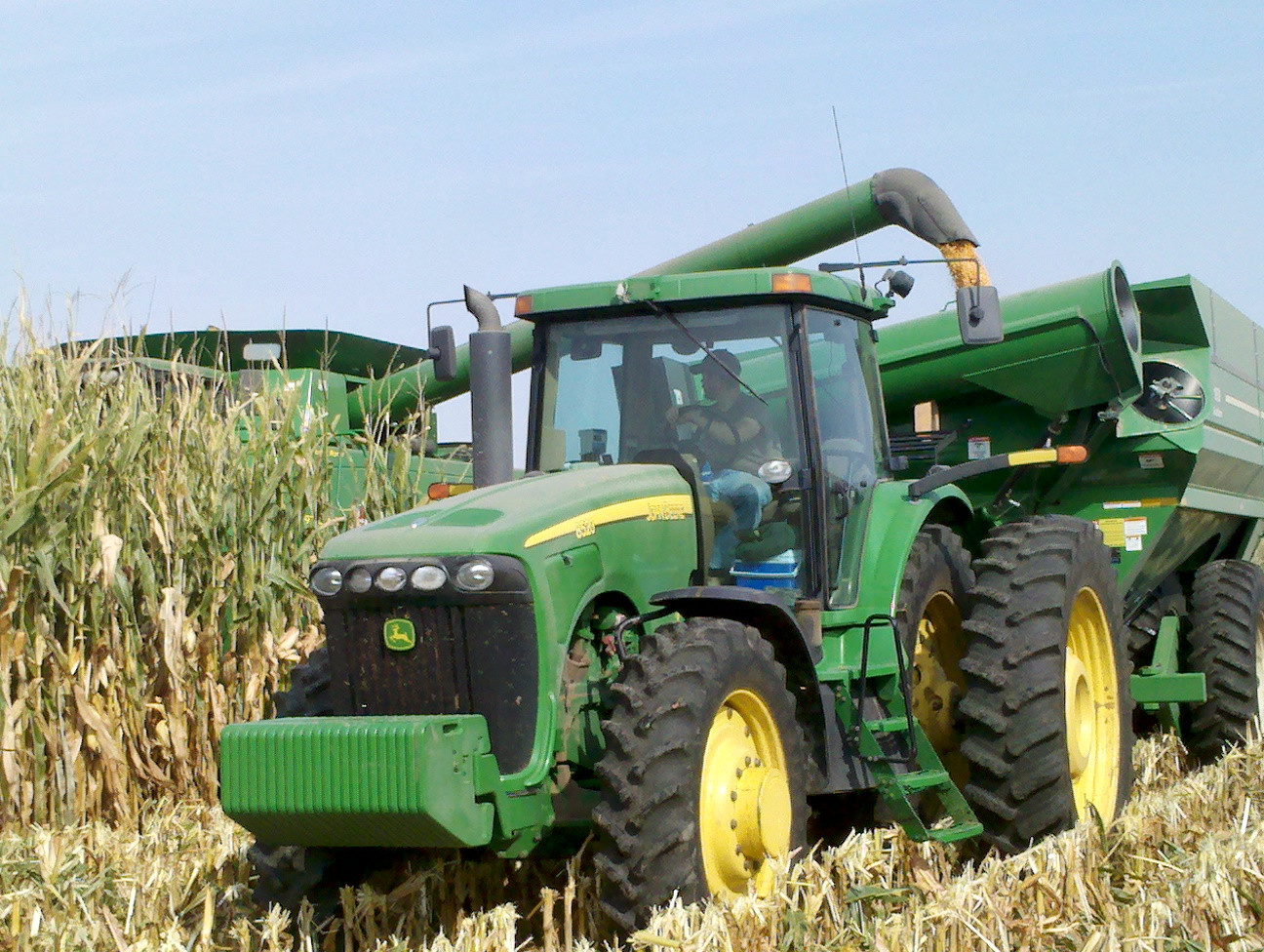
Nebraska Extension’s CropWatch recently provided a reminder to soybean farmers that even though fall is a busy time with harvest, it’s also a great time to sample for soybean cyst nematodes, especially while waiting in the field in the grain cart or truck as the combine fills.
Soybean cyst nematode (SCN) causes the most yield limiting disease of soybeans in North America. Research has shown that SCN can cause over 40% yield loss in soybeans, including 30% yield loss that can occur with no other visible symptoms, making it an invisible yield threat. SCN reduces yields but typically doesn’t display aboveground visible symptoms in the field during the growing season unless the SCN population is very high, then stunting and yellowing in soybeans may develop. By the time you see symptoms caused by SCN, population densities may be very high and very difficult to reduce, so it is recommended to regular monitor for them by collecting and submitting soil samples for SCN analyses. You can collect a good sample for SCN in any crop, any time of the year you can get a soil probe in the ground. Since SCN lives in the upper 8 inches of soil, collecting a sample is easy.
For details on how to sample, go to cropwatch.unl.edu. Samples will be mailed to the UNL Plant & Pest Diagnostic Clinic where SCN analyses of 2021 samples will be conducted at no charge for samples collected from Nebraska fields, courtesy of support from the Nebraska Soybean Board. Bags are usually available at your local extension office.
Pumpkin flesh and seeds can be cooked and eaten, but that doesn’t mean all pumpkins should be made into pumpkin pie. Pie pumpkins are orange pumpkins that are usually smaller than the size of a volleyball. These pumpkins are the best for eating the flesh because of their sweet flavor and less stringy texture. You can eat the flesh of larger jack-o-lantern type pumpkins, but the eating quality is decreased. The seeds of most the pumpkins and squash can be roasted and eaten, outer hull and all.
Picking a ripe pumpkin and curing it properly is key to having a long storage life. Pumpkin and winter squash are ripe when the outside skin is hard and not easily punctured with a fingernail. If it is picked too immature, the fruit won’t store long-term and will begin to rot. There are many different types and colors of pumpkins, winter and ornamental squash, ripeness shouldn’t be based on color alone.
Harvest by cutting the fruit from the vine, making sure to leave a nice piece of stem attached. The stem helps to ensure the pumpkin and squash stores longer. Pumpkins without stems tend to dry out faster and increases their chances of rot fungi. Avoid the temptation to pick the pumpkin up by the ‘handle’ or stem, which can cause it to break off. Rather, pick the pumpkin up from around the base and carry it around the base.
Once the ripe pumpkin is picked, let the curing begin. Curing vegetables, when done properly, allows the pumpkins’ skin to harden and store for longer periods. After picking, allow the ripe pumpkin and winter squash to remain in the garden during dry, sunny weather for 7-14 days or bring them inside to an area of 80-85 degrees F and 80-85% humidity for about 10 days. After you have picked the perfect pumpkin and it’s been properly cured, it’s time to give it a bath. Washing pumpkins isn’t required, but it can make them last longer. Wiping down or dipping the outside with a dilute bleach solution can help to remove surface bacterial and fungal spores. Cool temperatures and proper airflow are needed for storing pumpkins for future use.
A properly stored pumpkin can last for 10 weeks or more. To store a pumpkin to use later, keep the cured pumpkin and winter squash in an area that is cool, 50-60 degrees, with at least 50-70% humidity, like a root cellar or cool basement. It is best if the fruits are placed in a single row, not touching each other. This will allow air flow around the pumpkins and squash and decrease the chances of rot. Monitor regularly for soft or rotting produce and remove promptly.
Once you have the perfect pumpkin, let the carving begin. Avoid any pumpkins with soft spots or other wounds that will shorten the lifespan of your jack-o-lantern. If you draw or color your creation on the outside of the pumpkin, the flesh is still edible. If you intend to carve your creation, there is a little more work involved and the pumpkin flesh should no longer be eaten. To make the jack-o-lantern last a little longer, give it a bleach bath again on the cut portions. The weather depends how long your creation will last, the cooler the weather the longer it will survive. Aim to get about a week out of your carved pumpkin before it starts rotting away. With a little time and effort that orange beauty could be providing months of decoration well into the fall season.
Source: Elizabeth Exstrom- Horticulture Extension Educator with Nebraska Extension in Hall County
Every year, National 4-H Week sees millions of youth, parents, volunteers and alumni come together to celebrate the many positive youth development opportunities offered by 4-H. The theme for the 2021 National 4‑H Week is October 3 – 9 is Find Your Spark!
With so many children struggling to reach their full potential, 4-H believes that young people, in partnership with adults, can play a key role in creating a more promising and equitable future for youth, families and communities across the country. In 4-H, we believe every child should have an equal opportunity to succeed. We believe every child should have the skills they need to make a difference in the world.
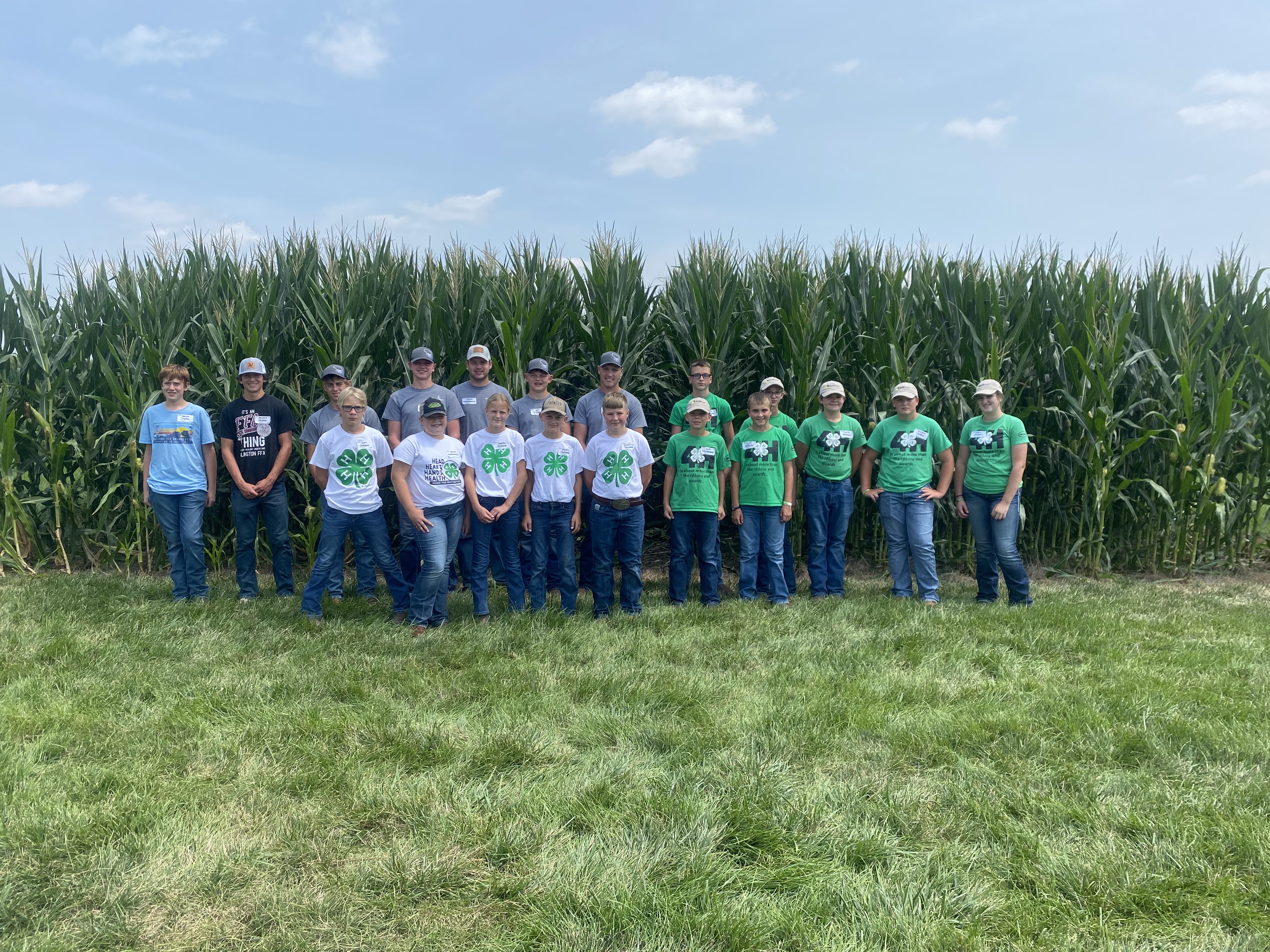
Fillmore and Clay County 4-H will observe National 4-H Week this year by highlighting some of the inspirational 4-H youth in our community who are working tirelessly to support each other and their communities. Check out the fun activities being done on the Fillmore County website at fillmore.unl.edu, including a pumpkin decorating contest. Wear a 4-H shirt on Wednesday and post on the Fillmore (https://www.facebook.com/fillmorecounty4h) or Clay County (https://www.facebook.com/UNLClayCounty) FaceBook pages!
In both Clay and Fillmore Counties one out of two, age-eligible 4-H youth from the community are involved in 4‑H. One of the most anticipated events of National 4-H Week every year is the 4-H STEM Challenge, formerly known as National Youth Science Day. This year, National 4-H Council has partnered with Clemson University Cooperative Extension, the United States Space Force, Bayer, and Facebook to create STEM activities that are fun and accessible to young people everywhere.
The 2021 Challenge theme of space exploration takes youth on an out-of-this world adventure and makes connections to the 4-H pillars—STEM, civic engagement, healthy living, and agriculture. The challenge activities allow youth to develop inquiry, observational, and problem-solving skills while they make discoveries and develop their STEM identities.
4‑H is delivered by Cooperative Extension—a community of more than 100 public universities across the nation that provides experiences where young people learn by doing. For more than 100 years, 4‑H has welcomed young people of all beliefs and backgrounds, giving kids a voice to express who they are and how they make their lives and communities better. Through life-changing 4‑H programs, nearly six million kids and teens have taken on critical societal issues, such as addressing community health inequities, engaging in civil discourse, and advocating for equity and inclusion for all.
In 4‑H programs, kids, and teens complete hands-on projects in areas like health, science, agriculture and civic engagement in a positive environment where they receive guidance from adult mentors and are encouraged to take on proactive leadership roles. Kids experience 4‑H in every county and parish in the country through in-school and after-school programs, school, and community clubs and 4‑H camps.
4‑H’s reach and depth are unmatched, reaching kids in every corner of America – from urban neighborhoods to suburban schoolyards to rural farming communities. Our network of 500,000 volunteers and 3,500 4‑H professionals provide caring and supportive mentoring to all 6 million 4‑H’ers, helping them grow into true leaders today and in life.
It is hard to believe that harvest will soon be starting and just as a reminder that with harvest comes more traffic on the county roads and other stresses for farmers. It never fails, that equipment can break, there can be delays at the elevator and those extra-long hours can all add extra stress to farmers. It is important to carefully slow down and realize the many hazards you are being exposed to during harvest.
An Iowa State Extension publication, Harvest Safety Yields Big Dividends points out that injuries can occur by taking shortcuts to perform routine tasks, not getting enough sleep or regular breaks, or failing to follow safety practices. Some injuries occur when operators are pulled into the intake area of harvesting machines, such as balers, combines, or corn pickers, and many injuries occur from slips or falls around these machines. Exposure to powerful machinery is highest during the harvest season. The equipment must be powerful to effectively handle large amounts of agricultural commodities. When equipment plugs, NEVER try to unplug it with live equipment, instead always disengage power and turn off the engine before trying to manually clear a plugged machine. Regular maintenance of these machines can also make harvest go smoother. Also, lots of accidents happen by the operator slipping and falling off equipment.
In the same publication listed above, there are several tips for reducing fall hazards:
Always keep all platforms free of tools or other objects.
Frequently clean the steps and other areas where workers stand to service, mount, and dismount, or operate the machine.
Wear well-fitting, comfortable shoes with non-slip soles.
Use grab bars when mounting or dismounting machinery.
Be sure your position is stable before you work on a machine.
Recognize that fatigue, stress, drugs or alcohol, and age may affect stability.
Other helpful tips during harvest are to keep kids away from machinery. Tell them the dangers that can occur and not to play near the equipment, even when it is shut off; you never know when they will be playing in hidden areas of the equipment. Operators should double check where kids are before moving the equipment. Too many accidents can occur when youth are in the path of equipment out of the operator’s view. Operators of all equipment should check in regularly and let someone know where you are. Keep all guards on equipment; it is there for a reason!
It is also important for the public to understand the increased traffic on public roads and be patient. The greatest threat raised between farm equipment and passenger vehicles is the difference in speed. Farm equipment runs at an average speed of 20 miles per hour while passenger vehicles average 60 miles per hour. If the motor vehicle overtakes a tractor, the impact is comparable to a passenger vehicle hitting a brick wall at 40 miles per hour. If the tractor and a car, mini-van or pickup collides head on, the impact is the same as hitting a brick wall at 60 miles per hour.
Farmers can reduce the chances of an accident by using warning lights, reflectors, and reflective tape on their machinery to keep passenger vehicle operators aware of their presence on roads. Some farmers may choose to install supplemental lights to increase visibility. It also is a good idea for producers to keep off heavily traveled roads as much as possible and avoid moving equipment during the busiest part of the day.
Some farm equipment, such as combines, can take up more than half of the road. Even so, it is up to both drivers to be aware of their own limitations and adjust accordingly. Farmers should not take up more space than is needed, but other drivers should try to provide as much room as possible. It is a good idea for passenger vehicles to turn off onto side or field roads until larger machinery has passed. Whenever possible, farmers should use an escort vehicle such as a pickup to precede or follow large machinery and equipment on public roads. More than one escort may be necessary. Ideally, the escort vehicle would have extra warning lights and a sign indicating oversized or slow equipment ahead or following.
Have a safe harvest!
REMINDER:
Free Movie!
Nebraska Extension in Fillmore County and, Nebraska AgrAbility and Easterseals Nebraska are proud to announce sponsorship of a major motion picture, titled, SILO available to your family. This movie is inspired by true events, in a rural U.S. town. Disaster strikes when a teenage becomes the victim of a grain entrapment accident. Family, neighbors and first responders must put aside their differences to rescue him from drowning in the 50-foot-tall silo where corn quickly turns to quicksand. SILO shows how dangerous modern farming can be, while also highlighting the ways in which communities’ band together to look after on another.
Nebraska Extension in Fillmore County and, Nebraska AgrAbility and Easterseals Nebraskawill be making the movie link available to the public from at participating local ag businesses during Nat’l Farm Safety & Health Week. For more questions, contact the Fillmore County Extension Office at (402) 759-3712. For services and supports to farmers and ranchers who have experienced serious accident or injury, or developed significant health conditions that impact farm/ranch operations, contact Nebraska AgrAbility at 402-984-3819 or visit the website at https://agrability.unl.edu/.
It is no coincidence that National Farm Safety and Health week falls in September. September marks a busy time for farmers as harvest begins. The busier we get, the increased chance for accidents to occur happens. This week, I’ve decided to share tips for farmers to keep safe this harvest season.
According to the National Education Center for Agricultural Safety, the theme for National Farm Safety and Health Week 2021 is “Farm Safety Yields Results”. The 2019 data for the U.S. Bureau of Labor Statistics indicates that the agricultural sector is still the most dangerous in America with 573 fatalities, or an equivalent of 23.1 deaths per 100,000 workers. Fall harvest time can be one of the busiest and most dangerous seasons of the year for the agriculture industry. For this reason, the third week of September has been recognized as National Farm Safety and Health Week. This annual promotion initiated by the National Safety Council has been proclaimed as such by each sitting U.S. President since Franklin D. Roosevelt in 1944. National Farm Safety and Health Week is led by the National Education Center for Agricultural Safety (NECAS), the agricultural partner of the National Safety Council.
Daily topics of focus this year include:
Monday, September 20th – Tractor Safety & Rural Roadway Safety
Tuesday, September 21st – Overall Farmer Health
Wednesday, September 22nd – Safety & Health for Youth in Agriculture
Thursday, September 23rd – Agricultural Fertilizer & Chemical Safety
Friday, September 24th – Safety & Health for Women in Agriculture
Nebraska is fortunate to have the University of Nebraska Medical Center, College of Public Health. UNMC works with the Central States Center for Agricultural Safety and Health and Risto Rautiainen, PhD provides the following farm machinery hazard reminders:
Protect grain augers to prevent cuts and laceration injuries.
Protect Power Take-Off shafts with guards to avoid entanglements.
Old tractors can have poor steps; if possible, purchase improved steps to prevent slips and falls.
Old tractors have poor seats which lead to muscle and joint pain. Replace them to protect your muscles and joints.
Use good lighting and marking to increase visibility on the road.
Use protected ladders or (preferably) stairways with guardrails in grain bins to reduce falls.
Do not enter a bin when the sweep auger is running.
Oil leaks from worn hydraulic lines can penetrate the skin and enter the blood stream.
Sharing the road with all types of traffic can be a challenge, so be aware of your surroundings.
Safety around powerlines should always be front of mind when operating large farm equipment.
Other tips from UNMC, include wearing N95 masks to protect your lungs from dust and wear hearing protection to protect your lungs. Keep fire extinguishers maintained and easily accessible. Talk to your children or children who plan to visit the farm and make sure they are aware of the hazards of large equipment. Do not enter the grain bin alone and communicate with others where you are located.
One thing often not though about is how stress and fatigue can cause accidents. One strategy to prevent clouded thinking is to take time between each task to THINK! Take 5 deep breathes before moving on; this helps your brain function better. During this unique time of uncertainty with low commodity prices, weather-related challenges and in a pandemic, you are an essential work, not only to feed the country but most importantly to your family and friends. Be sure to take care of yourself this harvest season. Get plenty of sleep, eat healthy meals and utilize your network of family and friends and ask for help if needed.
Originally written by Dr. Jill Lingard in 2020 Modified by Dr. Michelle Krehbiel in 8/2021
The last year and a half have uprooted most people’s routines, sense of security, and understanding of how the world functions. Social distancing, virtual meetings, online learning, and sanitizing are a common place in today’s world. Thanks to science and the effectiveness of the vaccine life is returning to more familiar times. Attending in-person classes, eating at restaurants, going to sporting events or concerts, and celebrating milestones with friends and family are some of the activities that might take some adjustments. As children and youth head back to school here are some tips to help establish routine and structure that children and youth need to grow and develop.
Engage children and youth in planning a routine together. Adults and youth may have differing ideas about ways to spend time so, start by having a conversation about expectations. Determine what activities are non-negotiable. Be clear about the expectations must be met. If possible, offer some choices for when these “must happen” activities take place.
Find a healthy balance between flexibility and consistency when establishing a routine. Creating plans that are too ambitious or rigid will be difficult to monitor and enforce.
Create a balanced routine that includes time for unstructured activity and fun. Make time for playing outside, reading a book for enjoyment, engaging in an art or craft project, having a family game night, or cooking together. Remember that it is important not to overschedule the day. Both adults and youth need free time.
Maintain self-care routines. Eating a good diet, getting enough sleep (the CDC recommends that children and youth get at least eight hour a night), and engaging in regular exercise and hygiene habits are a key for success.
Successful routines should include intentional ways to keep young people connected to the important people in their lives. Staying connected to those we care about helps manage our feelings, become less isolated, and maintains a sense of mental well-being.
Establish times of self-reflection such as meditation and journaling in a daily routine. Times of self-reflection can help one gain a new perspective, be a healthy way to manage feelings and thoughts, and express gratitude.
It is important to remember as a society we have experienced many different emotions, situations and events over the last 18 months. The beginning of the school year is a great time to help young people establish routine and structure in order for them to develop into caring, confident, and capable adults.
What’s red with green, juicy and delicious fresh and can be canned into many popular items? That’s right, tomatoes! Every year, we receive many questions about tomatoes and if you are like me, you love to canning with them to enjoy all products all year long! Our regional horticultural expert, Nicole Stoner recently provided me with some information on tomatoes and fall gardening so I’m including this in my weekly column.
This year the weather has been quite abnormal. We started out with a very cool spring, after that the weather quickly shifted to hot, windy, and stormy. We are seeing quite a bit of problems with tomatoes lately and they all look similar but could be due to a few different problems.
Many people are seeing tomato plants with curling leaves. Most often these curled leaves are at the top of their plants and it is not usually all the plants that a person planted in their garden that are having problems. Sometimes it is just a couple of plants out of 10-12.
Tomatoes can produce so many delicious canned goods throughout the year.
Environmental Damage
The stress from the environment can be very harmful to our plants. When the weather quickly shifted to summer this year, it caused wilting from heat and drought stress. Sometimes that environmental stress can cause the leaves of tomato plants to curl upward. Watering can sometimes help this issue, but not always. The plants may need to get over the impacts on their own. With environmental issues, the plant will eventually grow out of the damage.
Another issue caused by the environment is called physiological leaf curl that can develop on tomato plants. This is a physiological issue, meaning it is a growth response in the plant. This response is caused by changes in the environment, usually when weather shifts from spring to summer. Typically, the plant will recover on its own. Correct irrigation can help speed up this process.
Herbicide Injury
Herbicide injury is something that we often see in our plants. Tomatoes are especially sensitive to drift from 2,4-D and Dicamba products. With herbicide drift, curling, cupping, and vein distortion of leaves. The plant will likely grow new leaves that are not affected and look fine. However, it is not advised to eat fruits or vegetables from plants that were hit by herbicide drift, due to the variables regarding the herbicide, there is no way to know when or if they will be safe for consumption.
This year, since we were having such a chilly spring, we were able to spray herbicides later in the season. Then, when the temperatures shifted so quickly and these products were still being used, we had a lot more volatilization of the products making them move to our plants.
Virus
There is also a virus known as Beet Curly Top that can also be found in tomatoes. The experts are suggesting that this could be part of the problem as well. The symptoms from this virus are very similar to herbicide injury. As with all virus diseases, there is no cure for the plant. It is best to pull the infected plants as soon as the virus is noticed and destroy them to reduce the chance for spread of the virus.
So, whether your plants are facing herbicide injury or a virus, the best option is to remove the plants. This will reduce the chances of all your plants getting the disease and be safest for your household. If it is an environmental issue, the plants will grow out of it. If you are unsure of the cause, it is best to remove the plants. Be sure to keep them watered as necessary through the summer or early fall to help reduce the problems.
If you have any further questions please contact Nicole Stoner at (402) 223-1384, nstoner2@unl.edu, visit the Gage County Extension website at www.gage.unl.edu, or like her facebook page at http://www.facebook.com/NicoleStonerHorticulture and follow her on twitter @Nikki_Stoner.
Nebraska Extension has worked hard to push through the struggles of 2020 and 2021. From moving everything online suddenly to slowly brining in person events back the past two years have been roller-coaster. This year’s Youth Crop Scouting Competition was able to be held in person at the Eastern Nebraska Research and Extension Center. Teams were able to talk with Extension staff and scout real plots at the Research Center. This competition is a great experience for those wanting to work in many different fields of agriculture. This competition provides a fun competitive environment where teams can receive hands on learning about all aspects of crop scouting.
Five teams competed in the 2021 competition.
Receiving first place and a cash prize of $500 was Kornhusker Kids team coached by Chris Schiller. Team members were James Rolf, Ethan Kreikemeier, Kaleb Hasenkamp, Levi Schiller, and Ian Schiller. Second place went to Arlington FFA team coached by Kali Agler. Team members were Braden Monke and Aaron Fuchs, the team received $250. Third place with a $100 cash award was Colfax County 4-H #1 team coached by Steve Nelson. Team members were Hayden Bailey, Josh Eisenmann, Eliza Bailey, and Mic Sayers.
Also participating was West Elk Creek 4-H Club coached by Jon Schmid. Team members include Wesley Schmid, Cameron Werner, Levi Othmer, Reese Badertscher and Sophie Schmid. Colfax County 4-H #2 team was coached by Steve Nelson. Team members were Daphne Jedlicka, Cody Jedlicka, and Callen Jedlicka.
Continuing this year was an online session of “Ask an Agronomist” where Nebraska Extension agronomists and specialists presented basic information that could be as part of the competition which allowed more interaction between the judges and participants.
An online regional competition will be held among Nebraska, Iowa, Illinois, Indiana, and Kentucky teams. Participants from Kornhusker Kids 4-H and Arlington FFA will compete representing their county and the state of Nebraska in September.
The 2021 Youth Crop Scouting Competition was sponsored by the Nebraska Independent Crop Consultant Association and Ward Laboratories in collaboration with Nebraska Extension.
This time of year our gardens are really growing well, but in some cases so are the problems. I thought I would take some time to describe some common problems we are seeing in the garden currently.
Poor production
In unfavorable weather, we don’t see reduced or stalled out fruit production on our vegetable plants. Some of our plants have no fruits developing at all while others have fruits on the plant that simply won’t ripen. When it gets so hot and it stays that way for many days in a row, that is not optimal conditions for production. When our days get hotter than 85 degrees Fahrenheit and our night’s stay warmer than 70 degrees, tomato production slows and can even stop altogether until conditions improve. Pollen can even become sterile in very hot conditions. There is nothing you can do for poor production due to heat, except to…