Uncategorized

Thanksgiving Food Facts

With Thanksgiving around the corner, I took information from Purdue University’s Center for Food Demand Analysis and Sustainability to examine potential prices of a Thanksgiving meal. The poultry industry has faced many challenges with highly pathogenic avian influenza (HPAI) that first appeared in February 2022. Unlike temporary market disruptions, HPAI has been a persistent challenge for producers. Purdue’s model predicts an average retail price of approximately $2.05 per pound which is 25% higher than a year ago, making a typical 15-pound turkey costing around $31. There is a wide variation in retail prices driven by quality and some grocery retailers that sell other items may offer significant discounts on turkey to attract customers. Consumers with time to compare prices can find substantial savings this season Not everything increased in price. Potato prices have dropped 0.5% since last year and bread prices are down approximately 5.6% since last year.                  
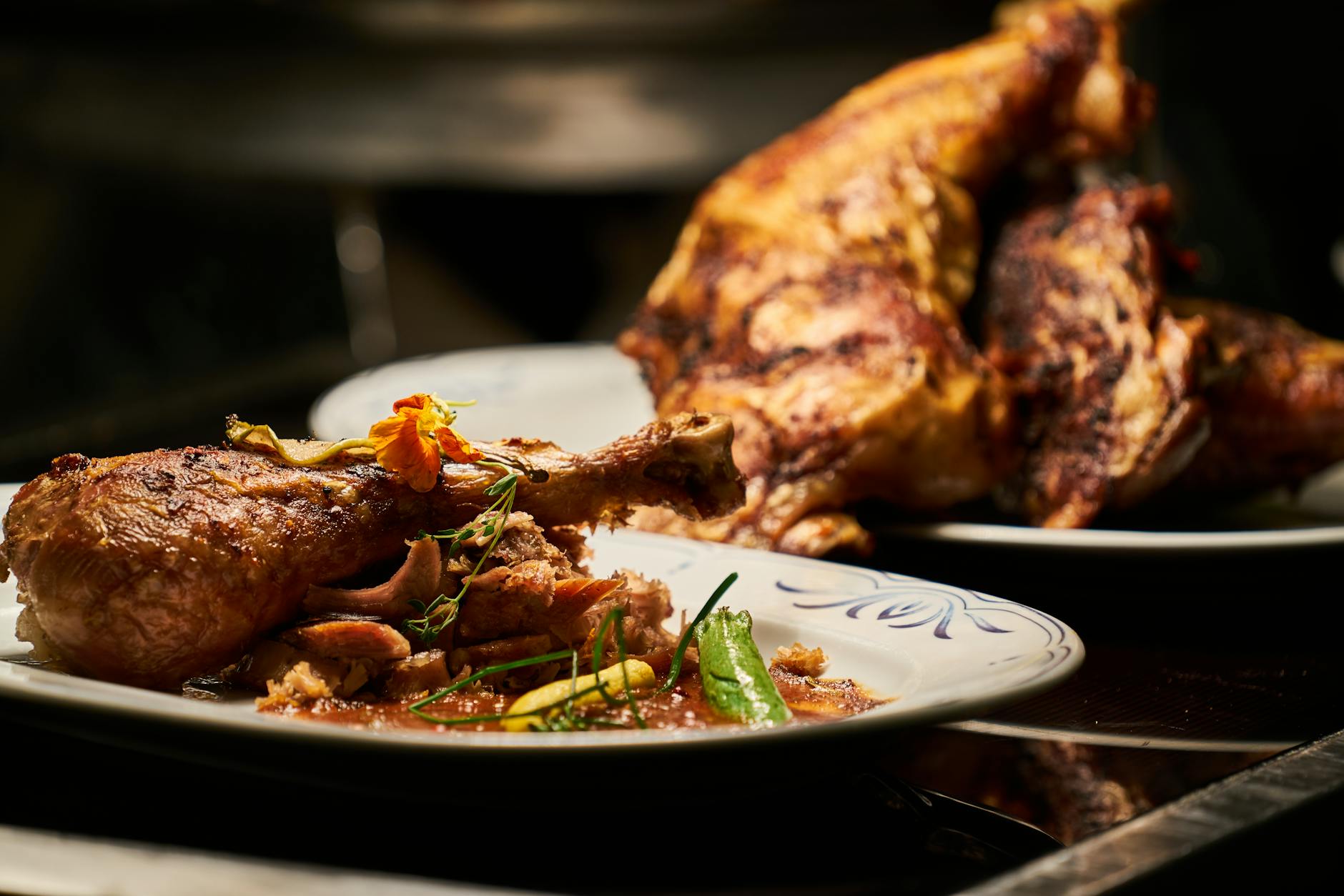
Photo by Engin Akyurt on Pexels.com

The American Farm Bureau Federation annually calculates the cost of a Thanksgiving meal to serve 10 people with plenty for leftovers. This year, with a traditional Thanksgiving meal, Farm Bureau estimated a meal total to land between $63 and $65. Last year, it was $58 so this is a potential increase of about 10%.  Included in the meal is a 16-lb. turkey, bread stuffing, sweet potatoes, rolls with butter, peas, cranberries, a relish tray of carrots and celery, pumpkin pie with whipped cream and beverages of coffee and milk. These are just estimates as their final report hasn’t been released as I write this article. Nonetheless, do some cost comparisons to save some money.  

You can thank our American farmers and ranchers who are able to provide us the bounty of safe and affordable food. Another interesting fact about Thanksgiving is that 88% of Americans are expected to be feasting on turkey for Thanksgiving this year (National Turkey Federation). The NTF also said that 65% of American roast their turkey in the oven, while 10% smoke, 7% air fry, 7% fry, or 7% grill the turkey. According to the National Turkey Federation, the top turkey-producing states are Minnesota, North Carolina, Arkansas, Indiana, Missouri, Virginia, Iowa and California. The United States is the world’s largest turkey producer, and a major exporter of turkey products.

Now let’s talk trivia:

Q: Why are turkeys raised?   A: Because of their excellent quality of meat and eggs

Q: What is a male turkey called?  A:  Tom

Q: What is a female turkey called?  A:  A Hen

Q: What sound do turkeys make?  A: Only tom turkeys gobble; the female makes a clucking sound.

Q: How many feathers does a turkey have at maturity?  A:  3,500 feathers

Q: How big was the heaviest turkey ever raised?  A: 86 pounds, about the size of a large dog

Q: Which gender of turkeys are usually consumed whole?  A: Hens (females) are usually sold as whole birds. Toms (males) are processed into turkey sausage, turkey franks, tenderloins, cutlets and deli meats.

Q: How long does it take a turkey to reach market size?   A: Hens usually grow for 16 weeks and are 8-16 lbs. when processed while tom usually takes 19 weeks to reach market weight and weighs 24 lbs. Large toms (24-40 lbs.) are a few weeks older.

Regardless of what you do this Thanksgiving, remember to be thankful for what really matters.

If you need tips or resources to help you prepare a turkey or any other food for Thanksgiving, go to Nebraska Extension’s Food Website at https://food.unl.edu/article/thanksgiving-central.

Thanksgiving Food Safety

Interesting fact, the day after Thanksgiving is the biggest food borne-illness day of the year. Nebraska Extension continues to do their part to help our clientele remain heathy and have good food safety practices. The following are from Extension Educator Cindy Brison and our Food Safety Team.

One of the most frequently asked questions around Thanksgiving is “How do I thaw a frozen turkey?” …including on Thanksgiving morning! The answer to this question is an important step in meal prep for food safety. Unsafe handling and undercooking the turkey can cause foodborne illness. For information on thawing your turkey and more: https://food.unl.edu/how-thaw-turkey 

Do not wash or rinse your raw turkey! Avoid washing or rinsing a turkey (or any eggs, meat or poultry products for that matter) before cooking. Juices can transfer bacteria onto kitchen surfaces, other foods and utensils. If you must wash or rinse your turkey because of brining or other marinating processes, be sure to thoroughly clean and then sanitize all kitchen surfaces to eliminate the risk of cross-contamination. For more safety tips: https://go.unl.edu/washingturkey 

Uncategorized

Pumpkins

I love this time of year for several reasons. First, it is harvest time; watching the combines in the fields brings back great memories of riding in the combine with my dad as a child. Secondly, I love the changing colors of the trees and a slight chill in the air. Finally, I love pumpkins and going to the pumpkin patch with my girls which is why this week I’m sharing some fun information about pumpkins.

October is National Pumpkin Month. Pumpkins are a member of the Cucurbitaceae family, which also includes squash, cantaloupe, cucumbers, watermelon, and gourds. Every part of the pumpkin was used by American Indians. Pumpkins and squashes were baked or roasted whole in a fire, cut up and boiled, added to soups and stews, or made into porridge and pudding.  Strips of pumpkin were dried and woven into mats and the dried outer shells of pumpkins and squashes found new life as water vessels, bowls and storage containers.

Did you know that pumpkin is an excellent source of vitamin A and a good source of fiber? Also, a one-ounce portion of hulled pumpkin seeds is considered 20ounce equivalents in the Protein foods group. All parts of the pumpkin are used all over the world as ingredients in dishes – even the pumpkin leaves!  Cooked pumpkin leaves and peeled shoots are a staple in many Asian and African countries and served with rice or porridge. The flavor is said to be a mixture of green beans, asparagus, broccoli, and spinach. Use tender, young pumpkin leaves for best results.  Fresh pumpkins are best if you select small, heavy ones for cooking because they contain more edible flesh. Pumpkins for carving are not so great for cooking, but the edible seeds are great for roasting!  My grandma always made the best pumpkin seeds!

If you have never made roasted pumpkin seeds, here are some tips from the National Center for Home Food Preservation:

Photo by Photo By: Kaboompics.com on Pexels.com
  • Drying seeds and roasting seeds are two different steps:
  • To dry: carefully wash pumpkin seeds to remove the clinging fibrous pumpkin tissue. Pumpkin seeds can be dried in a dehydrator at 115 to 120°F for 1 to 2 hours, or in an oven on warm for 3 to 4 hours. Stir frequently to avoid scorching.
  • To roast: toss dried pumpkin seeds with oil and your favorite seasonings such as salt, pepper, garlic, or cumin. Roast in a preheated oven at 250°F for 10 to 15 minutes. Once cooled, place the roasted pumpkin seeds in a sealed container and store at room temperature.

When selecting pumpkins for carving and fall decoration, choose varieties that suit your style! Traditional carving pumpkins are medium to large- in size, deep orange, and lightly ribbed with a strong handle. For painting, look for a small pumpkin with a strong handle and a smooth surface. Add additional interest to fall décor using miniature pumpkins with unique colors and patterns. Miniature pumpkins are typically less than 2 pounds and can be found in a variety of shapes and colors. Diversity among pumpkin varieties is incredible! With sizes ranging from 4 ounces to over 1,000 pounds, various unique shapes, and brilliant colors like orange, yellow, white, green, blue, gray, pink, and tan, there are endless opportunities to select the perfect pumpkin.

This information was taken from Nebraska Extension’s food.unl.edu website which has more great pumpkin and fall recipes and nutrition information.

Uncategorized

Celebrate Beef Month

As we enter the spring and summer months, nothing smells better than a delicious, juicy hamburger or steak on the grill, and being able to barbecue outside with friends and family. It’s no surprise, then, that May is National Beef Month!  The beef industry is especially important to Nebraska’s economy. According to the Nebraska Department of Agriculture, Nebraska is first in commercial cattle slaughter, second in beef and veal exports, and second in commercial red meat production. According to the Nebraska Beef Council website, Nebraska has the top three beef cow counties in the U.S., including the nation’s No. 1 cow county – Cherry County, with nearly 166,000 cows. Custer County is No. 2 (100,000,) and Holt County is No. 3 (99,000). Also among the top counties in the nation is Lincoln County at No. 12 (69,000).

The Nebraska Beef Council also reports that nearly 5 million head are finished and marketed in Nebraska, a state with a population of 1.9 million residents. January 2023 figures illustrate that Nebraska continues to have far more cattle than people. With over 6 million cattle in the state, cattle outnumber people by more than 3 to 1! The 1.8 million cows combined with the nearly 5 million head that are annually fed in Nebraska total nearly 6.8 million cattle. That’s over 3.5 times more cattle than people in Nebraska!

So, why is Nebraska the beef state?  It has a unique mix of natural resources and according to the Nebraska Beef Council, cattle turn grass from 24 million acres of rangeland and pasture, more than half of Nebraska’s land mass, into protein and many other products for humans. Land that is grazed allows more people to be fed than otherwise possible, and more than one billion bushels of corn are produced in Nebraska, of which 40% is fed to livestock in the state.

Now that I have explained how and why the beef industry is important to Nebraska, let’s explore the health benefits of beef. Beef is a good source of zinc, iron, and protein and there are 29 cuts of beef that meet the government labeling guidelines for being lean. In fact, a 3-ounce cooked serving of lean beef (which is about the size of a deck of cards) provides 10 essential nutrients and about half of the daily value of protein in about 170 calories. According to recent research from Purdue University, the cuts of beef considered lean can be included as a part of a heart-healthy diet to support cardiovascular health, and has consistently demonstrated that the nutrients in beef promote health throughout life.

With May being beef month, I want to remind you that the 2025 Nebraska Beef Passport launches May 1 in locations across the state that are known for offering outstanding beef. This year’s participants include 30 restaurants and 28 meat processors or meat shops. This is the 5th year of the program which encourages people to visit the featured locations and earn points towards prizes offered by the Nebraska Beef Council.  Check out nebeef.org.

If you would like more information on beef production, you can view our Nebraska Extension website beef.unl.edu. Our Extension experts have a variety of articles on everything from beef nutrition to reproduction to lease information. If you would like recipes or tips for preparing beef, you can also check out Nebraska Extension’s food.unl.edu website. There are some great tips on saving money when purchasing beef and links to the Nebraska Beef Council’s website, which has great recipes as well.

Enjoy some beef today! 

Livestock

Pork Month- October

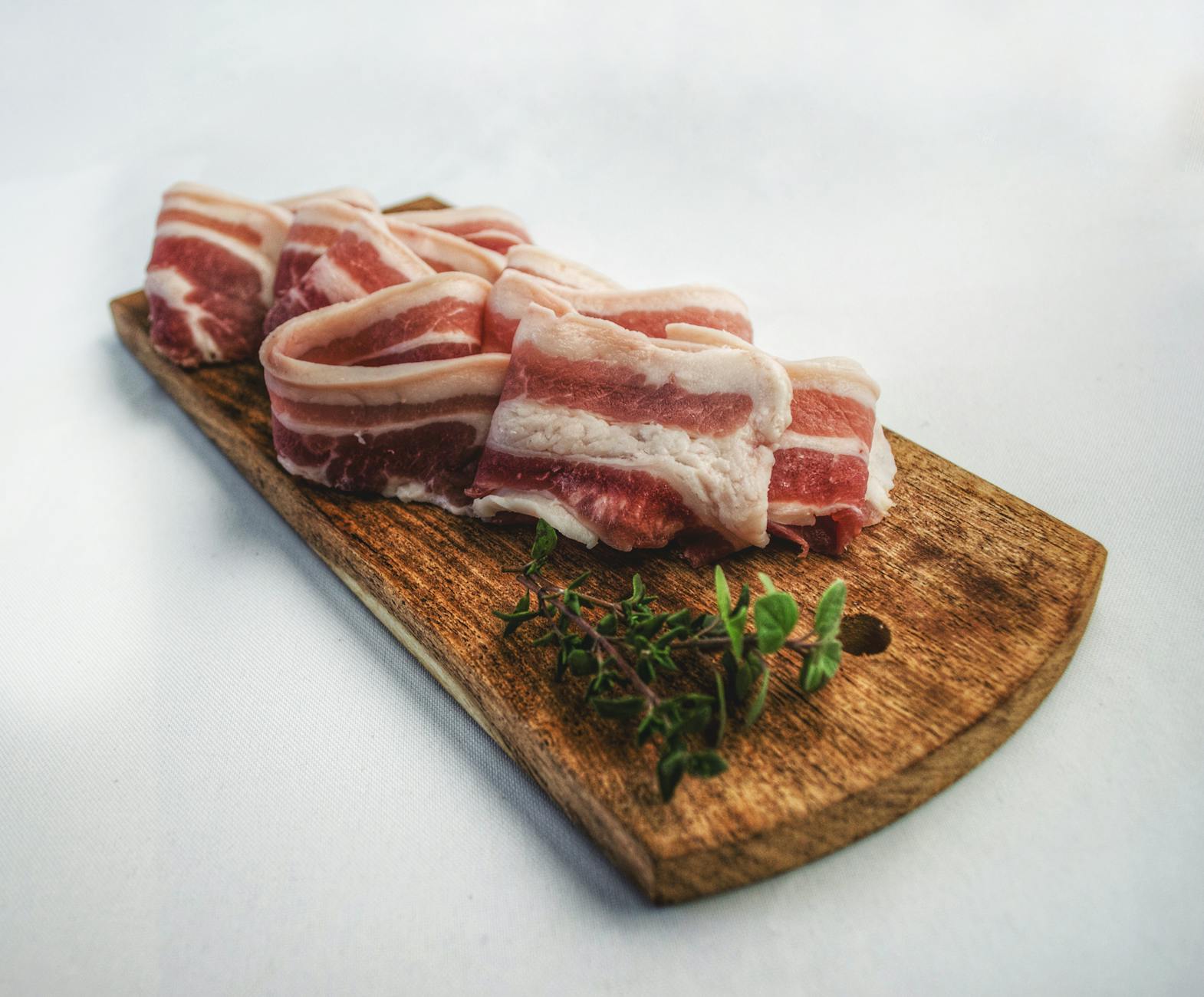
If you have recently enjoyed some juicy pork loin, pork chops, sausage, or my favorite – bacon, then you should thank a pork producer. In Nebraska, we grow nearly 7.8 million pigs each year from 1,230 family farms, making us the sixth-largest pork-producing state. These family farms have people who are locally involved in various community organizations, schools, churches, etc., and have families of their own to feed. This is just one of the reasons you know that pig farmers raise a safe, wholesome product that you can serve your family. According to the Nebraska Pork Producers Association, there are nearly 18,000 jobs involved in pork production and an economic impact of 1.66 billion dollars in Nebraska.

October is National Pork Month, and the Nebraska Pork Producers Association website has some fantastic recipes on their website which can be found at nepork.org. There are also some delicious recipes including an air fryer pork and apple burger and pork rice bowl recipes on Extension’s food.unl.edu website.

Photo by Nicolas Postiglioni on Pexels.com

Speaking of meat, did you know that pork carcasses are separated based on percent fat-free lean (%FFL), which estimates how many pounds of boneless, closely trimmed retail cuts (BCTRC) that animal will provide.  Let’s take an example hog that has a live weight of 275 lbs. If that animal had a dressing percentage (the amount of weight from the live animal that makes it to the carcass) of 75%, the carcass weight would be 210 lbs. With a percent fat-free lean of 57%, the boneless, closely trimmed retail cuts (BCTRC) of meat would be 120 lbs. A fun fact is that Americans on average eat around 18 pounds of bacon each year. That’s about 5.6 billion pounds for the entire United States.

Wholesale cuts are large meat cuts that the animal carcass is cut into for ease in handling and shipping. Some wholesale cuts are higher in value than others. In hogs, the wholesale cuts are the shoulder/“Boston butt”, shoulder/“picnic”, loin, belly, and leg/“ham”. These cuts are then broken down into retail cuts which is what most consumers will purchase at the grocery store. Some popular examples include sliced bacon and spare ribs from the side and country-style ribs, tenderloin, and center cut chops from the loin.

Often when any meat turns out dry, it is prepared and cooked incorrectly.  Using a meat thermometer is one of the best ways to ensure meat is not overcooked. For example, boneless pork chops and pork tenderloin only need an internal temperature of 145 degrees (Fahrenheit). Ground pork patties should reach an internal temperature of 160 degrees. For more tips on properly preparing pork, which include grilling pork, air frying pork, using an instant pot, roasting pork, and more, go to the National Pork Board’s website at pork.org. Happy National Pork Month!

Horticulture

Pumpkins

I love this time of year for several reasons. First, it is harvest time; watching the combines in the fields brings back great memories of riding in the combine with my dad as a child. Secondly, I love the changing colors of the trees and the slight chill in the air. Finally, I love pumpkins and going to the pumpkin patch with my girls, so I’m sharing some fun information about pumpkins this week.

October is National Pumpkin Month. Pumpkins are a member of the Cucurbitaceae family, which also includes squash, cantaloupe, cucumbers, watermelon, and gourds. Every part of the pumpkin was used by American Indians. Pumpkins and squashes were baked or roasted whole in a fire, cut up and boiled, added to soups and stews, or made into porridge and pudding.  Strips of pumpkin were dried and woven into mats and the dried outer shells of pumpkins and squashes found new life as water vessels, bowls, and storage containers.

Photo by Ivan Samkov on Pexels.com

Did you know that pumpkin is an excellent source of vitamin A and a good source of fiber? Also, a one-ounce portion of hulled pumpkin seeds is considered 20-ounce equivalent in the Protein foods group. All parts of the pumpkin are used worldwide as ingredients in dishes – even the pumpkin leaves!  Cooked pumpkin leaves and peeled shoots are a staple in many Asian and African countries and are served with rice or porridge. The flavor is said to be a mixture of green beans, asparagus, broccoli, and spinach. Use tender, young pumpkin leaves for best results.  Fresh pumpkins are best if you select small, heavy ones for cooking because they contain more edible flesh. Pumpkins for carving are not so great for cooking, but the edible seeds are great for roasting!  My grandma always made the best pumpkin seeds!

            If you have never made roasted pumpkin seeds, here are some tips from the National Center for Home Food Preservation:

  • Drying seeds and roasting seeds are two different steps:
  • To dry: Carefully wash pumpkin seeds to remove the clinging fibrous pumpkin tissue. Pumpkin seeds can be dried in a dehydrator at 115 to 120°F for 1 to 2 hours, or in an oven on warm for 3 to 4 hours. Stir frequently to avoid scorching.
  • To roast: toss dried pumpkin seeds with oil and your favorite seasonings such as salt, pepper, garlic, or cumin. Roast in a preheated oven at 250°F for 10 to 15 minutes. Once cooled, place the roasted pumpkin seeds in a sealed container and store at room temperature.

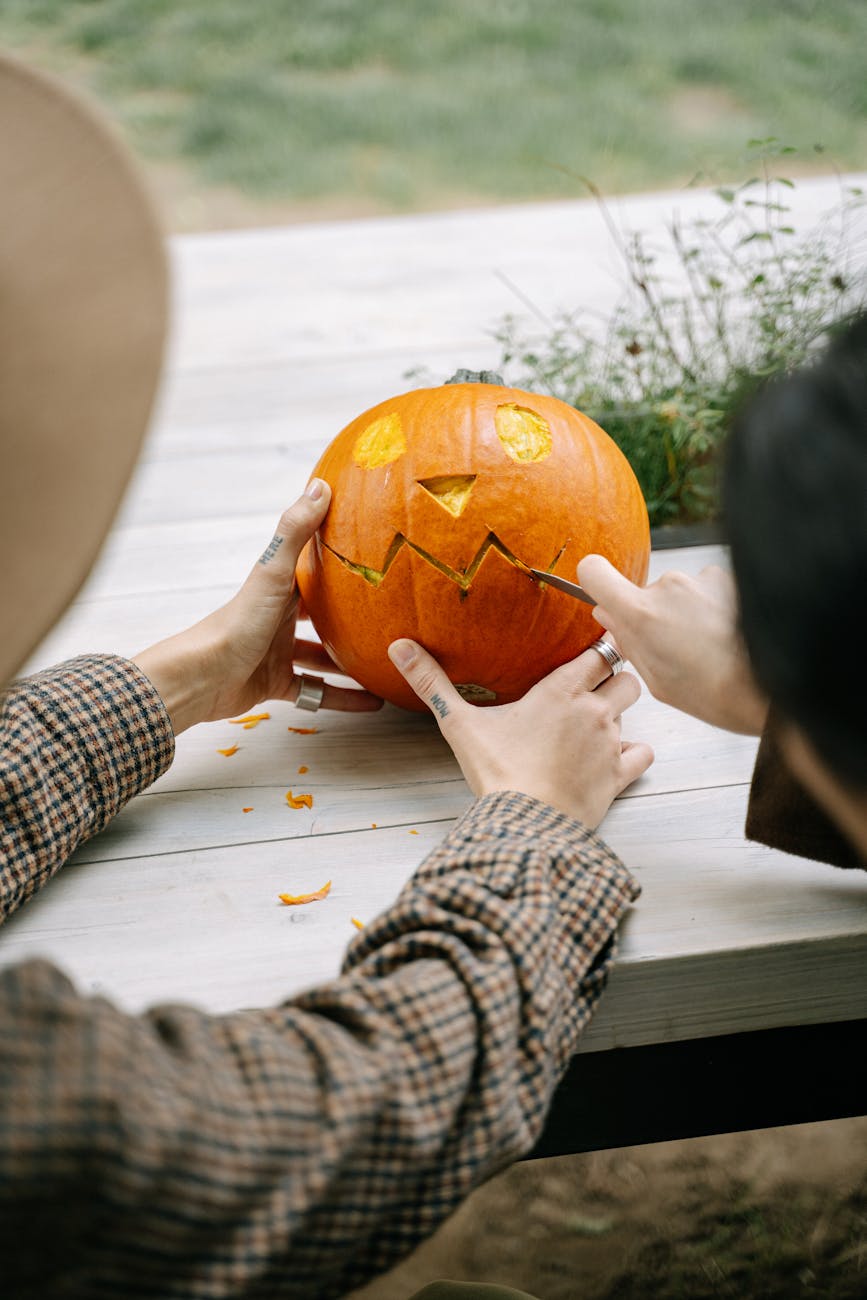
When selecting pumpkins for carving and fall decoration, choose varieties that suit your style! Traditional carving pumpkins are medium to large- in size, deep orange, and lightly ribbed with a strong handle. For painting, look for a small pumpkin with a strong handle and a smooth surface. Add additional interest to fall décor using miniature pumpkins with unique colors and patterns. Miniature pumpkins are typically less than 2 pounds and can be found in a variety of shapes and colors. The diversity among pumpkin varieties is incredible! With sizes ranging from 4 ounces to over 1,000 pounds, various unique shapes, and brilliant colors like orange, yellow, white, green, blue, gray, pink, and tan, there are endless opportunities to select the perfect pumpkin.

This information was taken from Nebraska Extension’s food.unl.edu website which has more great pumpkin and fall recipes and nutrition information.