Programming

Nebraska Extension: Part Two

Last week I shared about Nebraska Extension and some of my yearly impacts from 2024 and this week, I’ll share a few more. I am blessed to work with other talented Extension colleagues who create positive change every day. Some Extension impacts can be found online at https://extension.unl.edu/impact-nebraska/.

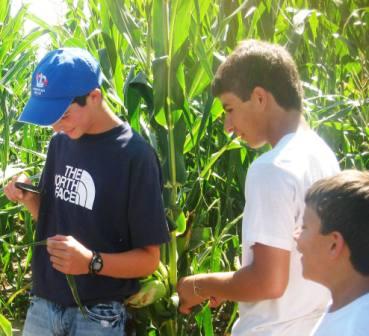
In 2024, I conducted the Nebraska Youth Crop Scouting Competition with 31 youth on 7 teams competing from 5 counties at ENREEC by Mead. Seven stations ranged from precision ag scouting to diseases, insects weed identification, etc. with judges from the Cropping Systems programming area. The Nebraska Soybean Board, Independent Crop Consultant Association, and UNL’s Doctor of Plant Health program sponsored this in-depth learning experience. 2024 survey results show that:

  • 80% of youth learned about a new career option
  • 93% of youth are more aware of degree opportunities at UNL & improved knowledge of accurately identifying pests as well as learning effective non-chemical control practices.
  • 97% of youth have an improved knowledge of crop scouting procedures.
  • I learned how to use aerial imagery to better diagnose a field.” – Participant
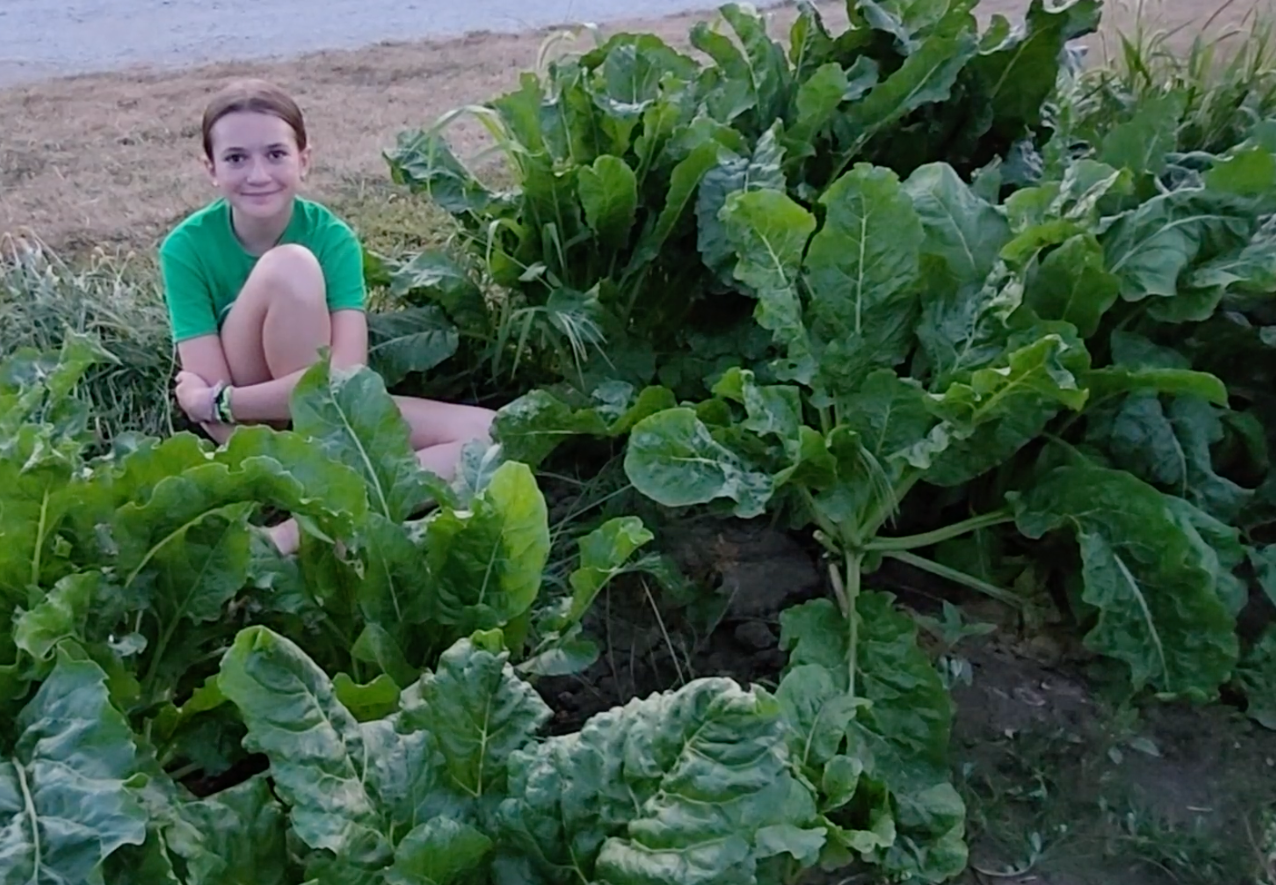
As state co-superintendent of 4-H Agronomy, I led the Special Agronomy Project (SAP) which delivered nearly 700 seed packets to NE youth. Eleven sugar beet projects were exhibited at the state fair.

  • 38% of participants who completed the evaluation said it was the first time they took an agronomy project to fair & 81% learned a skill that can be used in the future; 92% will enroll in the SAP next year.
  • This is a neat program, and I’d love for our whole club to do this next year.” – 4-H mom
  • This project made headlines on IANR news and was featured in a statewide booth by Western Sugar.

STEM Education – The Department of Defense projects that 80% of jobs will require STEM skills in the next decade, underscoring the need to engage students and educators in impactful STEM experiences. In 2024, I taught 1,619 STEM lessons to youth across 11 counties and 42 adults from the U.S. and a U.S. territory, covering topics from electricity and robotics to soil science and pollinator education.

I forged a new partnership with Nebraska EPSCoR through my ROOTED in Ag project. This led to an opportunity to organize a session at the National EPSCoR Conference. Alongside project members from Alaska and Hawaii, we delivered a cutting-edge workshop showcasing our agricultural science virtual reality field trips—demonstrating the power of technology in education. I developed a VR Robotic Dairy field trip and captured 360-degree images of cropping systems throughout the year, as well as drone footage and still images, all of which will be integrated into our group’s website and project. These immersive, high-tech field trips are slated for full implementation in 2025, promising to create lasting impacts on STEM education. Impacts from 18 direct teaching hours, representing a total of 64,110 direct learner hours taught in STEM-based.

Leadership Education– Investing in youth leadership development is a vital skill that contributes to both the personal success of young people and the overall well-being of our society. I taught both the Leadership Summit and Purple Ribbon Kid programs to 105 youth from 9 classrooms in 3 counties.

  • 100% of teachers who participated in the Purple Ribbon Kid program agreed/strongly agreed they have already witnessed positive behavior change in their students because of the lessons.
  • Because of the program, one youth said, “I will be more open to other people and their perspectives.” The teacher reported that the class “looks forward to using this knowledge as they continue throughout their lives” and 100% of youth now feel they can create positive change in their community.
Youth

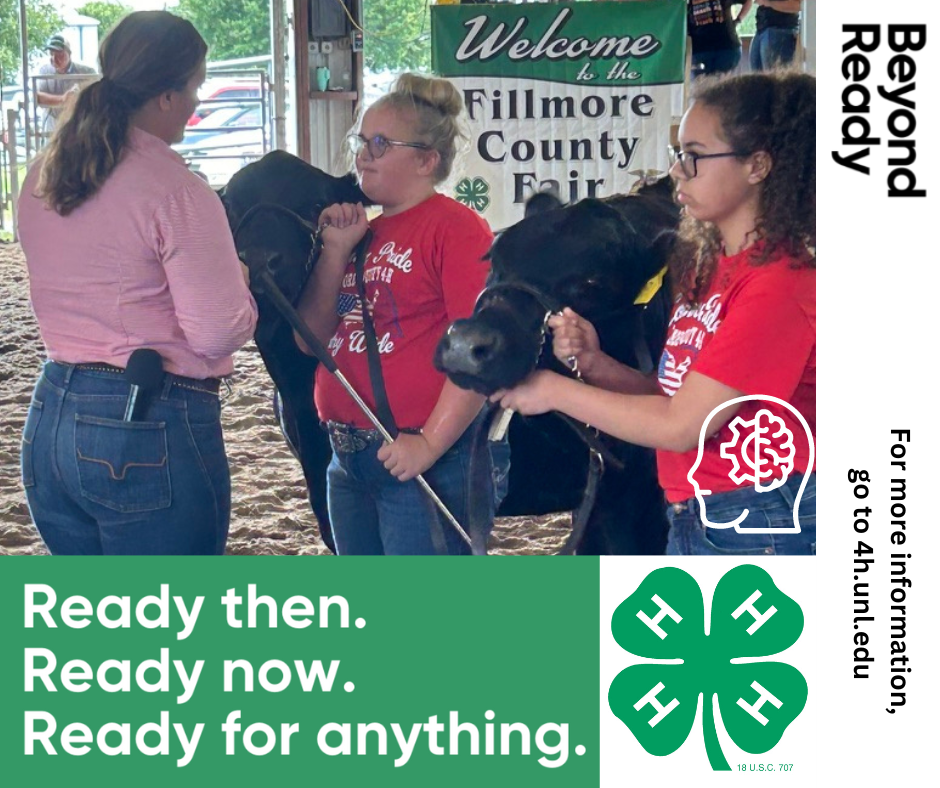
Ready then. Ready now. Ready for anything.  

Celebrate National 4-H Week!

Nebraska 4-H is building a ready generation in a world of change. Today’s youth are growing up in a unique moment where the world is rapidly changing – life following a pandemic, and artificial intelligence are just a few factors affecting mental health, confidence, and the ability to find contentment in life. 

Since its beginning more than 120 years ago, 4-H has become the nation’s largest youth development organization. Nationally, 4-H serves over 6 million youth, ages 5-19, in rural, urban, and suburban communities in every state across the nation. In Nebraska, 4-H reaches one out of three who are age-eligible.  Young people need positive youth development experiences more now than ever. 4-H equips youth with skills for the future while meeting them where they are today. 4-H provides opportunities and experiences that shape young people into their full, authentic selves, enabling them to shine both now and in the future.  

The citizens of our state have helped shape the educational priorities for the Nebraska 4-H program. These programs incorporate quality learning experiences and science literacy, which are delivered through clubs, camps, school enrichment, afterschool, and special interest opportunities. Everything offered by Nebraska 4-H Youth Development is built around positive youth development (https://4h.unl.edu/pyd) as a way of preparing young people who are engaged, healthy, productive, and beyond ready for their future. 

Engaged, Healthy, and Productive Youth 

4-H embraces diversity in people, careers, and perspectives. Every child is valuable and deserves the support and freedom to choose their own path. 4-H believes in the potential of all youth and strives to let their talents flourish. 

Nebraska 4-H fosters youths’ commitment to their communities and growing future leaders. Through community development programs, youth develop and exercise leadership skills, gain a greater awareness of their civic responsibilities, and participate in service projects. They also provide youth voice to community decision bodies and are engaged, well-informed citizens who are active in their local and global communities.   

4-H has proven to instill confidence and resiliency. Dedicated to empowering youth in both body and mind, we rely on scientifically-backed studies and programming that drive youth forward so they can be prepared for anything.  

Nebraska 4-H educates youth about making healthy and safe decisions in their daily lives. Through healthy living programs, youth gain knowledge and develop skills for making healthy and safe decisions in their daily lives, acquire an understanding of what positive relationships look like, practice healthy and safe decision-making, and exhibit increased resiliency.  

4-H equips youth with skills for the future while meeting them where they are today. Through 4-H, opportunities and experiences are offered that shape youth into their full, authentic selves, enabling them to shine both now and in the future. Through College and Career Success programs, 4-H youth develop the knowledge, skills, and mindsets through experiential learning opportunities to explore potential postsecondary education and career options. Nebraska 4-H prepares youth to make informed decisions about their careers and college paths. Programs assist young people with developing skills that will lead to greater persistence in college and employability.  

To learn more about how you can get involved, visit 4h.unl.edu.

Uncategorized

4-H Builds Friendships

As we approach this county fair season, it is important to remember how important it is to focus on the importance of the life skills being taught. As adults, we need to be role models to youth and help them have a positive experience. It’s not the ribbon placing or the trophy that matters but rather the experience one has from participation in activities such as the county fair. 

When I ask 4-H members the question, “What do you like most about 4-H?” they often respond with “the friendships!” 4-H’ers have the unique opportunity to meet and interact with youth from across the county, the state and even the country. 4-H brings together youth with similar interests and you never forget the people you meet through the program.

Friends are vital to school-age youth’s healthy development. Friendships provide youth with more than just fun playmates. Friendships help them develop emotionally and morally. In interacting with friends, youth learn many social skills, such as how to communicate, cooperate, and solve problems. They practice controlling their emotions and responding to the emotions of others. They develop the ability to think through and negotiate different situations that arise in their relationships. Having friends even affects school performance. Youth tend to have better attitudes about school and learning when they have friends there.

Friendships help youth develop emotionally and morally and help them to learn critical life skills such as social skills, communication, cooperation, problem-solving, and many more.  Part of being a good friend is learning how to deal with conflict. There are several strategies to teach youth to resolve problems they have with other youth. 

Strategies for Conflict Resolution

  • When angry, separate yourself from the situation and take time to cool off.
  • Attack the problem, not the person. Start with a compliment.
  • Communicate your feelings assertively, NOT aggressively. Express them without blaming them.
  • Focus on the issue, NOT your position about the issue.
  • Accept and respect that individual opinions may differ. Don’t try to force compliance; work to develop a common agreement.
  • Do not view the situation as a competition in which one person has to win and one has to lose. Work toward a solution that will enable both parties to have some of their needs met.
  • Focus on areas of common interest and agreement, instead of areas of disagreement and opposition.
  • NEVER jump to conclusions or make assumptions about what another person is feeling or thinking.
  • Listen without interrupting. Ask for feedback, if needed, to ensure a clear understanding of the issue.
  • Remember, when only one person’s needs are satisfied in a conflict, it is NOT resolved and will continue.
  • Forget the past and stay in the present.
  • Build “power with” NOT “power over” others.
  • Thank the person for listening.

Find out more about this topic by visiting the Nebraska Extension child and youth development website at http://child.unl.edu/child-care-professionals and click on Expanded Learning Opportunities.

County Fair Schedules

You can find the events for the Clay and Fillmore County Fairs on each extension website or social media. Locally, go to fillmore.unl.edu or clay.unl.edu.     

Uncategorized

4-H Helps Youth Thrive Series

The next several articles I will be sharing will focus on the 4-H Thrive Model which focuses on ensuring high-quality 4-H programs for youth and positive youth development. In the 4-H Thriving Model, this process of positive youth development is described by seven indicators of thriving: openness to challenge and discover, growth mindset, hopeful purpose, pro-social orientation, transcendent awareness, positive emotionality, and self-regulation through goal setting and management. This first article focuses on volunteers who are the heart of a high-quality 4-H program.

4-H Volunteers Help Youth Thrive   

Volunteers have been the long-time champions for the 4-H program, delivering 4-H experiences to youth across the nation for decades. Volunteers bring invaluable skills and resources to their role, dedicating hours to teaching youth new skills and helping them grow as leaders. It is certainly not difficult to visibly see a volunteer’s impact in this way.  

However, there are many other ways in which volunteers help youth thrive that are not as easy to visibly see. Volunteers, specifically 4-H club leaders, undoubtedly are a key part of the 4-H program and the impact on youth for years to come. But, how? This happens through developmental relationships, which are close connections through which young people discover who they are, cultivate abilities to shape their own lives and learn how to engage with and contribute to the world around them.   

Developmental relationships between youth and adults are important aspect of the 4-H program. Research shows that the relational quality between the 4-H leader, volunteer and member is connected to positive youth development. 4-H volunteers foster a developmental relationship with youth when they express care, challenge growth, provide, support, share power and expand possibilities.  

Some of the ways 4-H volunteers build a developmental relationship with youth is through a variety of visible approaches. Examples include, but are not limited to, showing youth they enjoyed spending time together, making youth feel known and valued, being someone, youth can trust and praising youth for their efforts and achievements. Implementing these approaches to having a developmental relationship with youth encourages youth to know their 4-H club leader cares about them and their success.  

Healthy developmental relationships grow over time to move past a mainly adult-driven relationship to shifting the power to the youth. In addition, as the relationship between the 4-H leader and the youth continues to grow and foster a deeper connection, the impact on the youth deepens as well.  

Thank you, 4-H volunteers, for creating 4-H experiences for youth to experience new skills and helping them grow as leaders, and ultimately finding their spark in life!  

This article was written by Jill Goedeken, Nebraska Extension Educator.

Crops, Uncategorized, Youth

Youth CropWatch Page

Crops Webpage for Youth

For the last two years, I’ve been working to get a website with resources and lessons for 4-H leaders, extension staff, agricultural education instructors, and youth developed regarding crop production.  I’m happy to announce that this webpage is up and running and can be found at cropwatch.unl.edu/youth.

Youth in Crop Sciences Investigation (CSI) workshops learn about crop production and have the opportunity in investiage what pests might be present in the field.

The objective of this webpage is to provide a one spot stop with crop production information, some of it specific for Nebraska and some general crop information that can be used for a variety of locations. 

The webpage is divided into four main sections: crop and plant science facts, activities for youth, 4-H & FFA projects, and teaching activities & resources. “Crop and plant science facts” provides a short summary of crop statistics and other fun facts. “Activities for youth” has some fun crossword puzzles, word searches and other interactive activities for youth to participate. The 4-H and FFA project page has some of the opportunities available through 4-H and FFA such as Crop Science Investigation workshop series and other events related to crops. Finally, the “Teaching Activities and Resources” page currently has nine lessons available for anyone to download and teach hands-on activities to any age group, depending on how in depth they make the content.

More web-based interactive activities and lessons will be added to this webpage as time passes. I hope you will take some time to explore this webpage and encourage youth to consider a career in crop and plant sciences.