Crops, Uncategorized

Consider On Farm Research

As margins get tighter in 2016, it will be important for producers to cut their costs. With so many products on the market today, it can be hard to know if they will actually increase yields as they claim, but also if it is economically feasible. The Nebraska On-Farm Research Network can help producers do just that – test products and/or production practices to determine their economic feasibility. With planting season just around the corner, consider joining the Network to evaluate products/production practices which can increase your profitability, while gaining access to Extension specialists and educators who will help you set up your research and guide you through the process. In addition, participants benefit from networking with other farmers and being part of this innovative group.

On-farm research has many variants and approaches. It is research that you do on your field(s) using your equipment and normal production practices. This means the research is directly applicable to your operation. The Nebraska On-Farm Research Network approaches topics that are critical farmer production, profitability and natural resources questions, such as:becker-beans-7-7-08.jpg

  • Nutrient management
  • Pest control
  • Irrigation Strategies
  • Conservation programs
  • New technologies
  • Soil amendments
  • Cultural practices
  • Hybrid and variety selection

Comparisons are identified and designed to answer producers’ production questions. Project protocols are developed first and foremost to meet individual cooperator needs. Only projects that are randomized, replicated and harvested accordingly are reported. Multiple year comparisons are encouraged.

In 2015 alone, 80 on-farm research studies were completed with 66 producers participating in studies. Results were presented to 250 people at update meetings in North Platte, Grand Island, Norfolk, and the ARDC near Mead in February. Planning for 2016 projects is underway. More information about project opportunities will be coming soon. If you have interest in conducting an on-farm research study, let Laura Thompson know (laura.thompson@unl.edu) or myself (brandy.vandewalle@unl.edu)!

Access to the 2015 growing season results can be found on the CropWatch website.
Crops, Uncategorized

Pesticide Container Recycling Program

The Nebraska Pesticide Container Recycling Program completed its 24th season last year. If any businesses would like to serve as a pesticide container recycling sites for 2016, submission of 2016 Recycling Site Information is due by March 18, 2016.

These sites are where the plastic pesticide containers are first inspected by
cooperators, bagged in large plastic bags and then temporarily stored for pick-up by a multi-state subcontractor. Assistance with this recycling effort is vital and appreciated. Plastic from rinsed 1.0 and 2.5 gallon plastic pesticide and adjuvant
containers and plastic crop protection drums of 15, 30 and 55 gallons are accepted. No homeowner plastic pesticide containers are accepted. 

This program has successfully recycled more than 2 million pounds of plastic pesticide containers from Nebraska’s landscape. That’s over
1,000 tons! This is a significant quantity that has helped eliminate much of the improper dumping of the containers in ditches or ineffective
burning of the plastic containers. 

If you hosted a collection site in 2015, please confirm this site for participation in 2016 by completing the on-line form listed in the next
paragraph. If you have not had an inspection/collection site, 2016 may be the year for you to consider providing a location. 

Please complete and submit the on-line, electronic form by March 18h for EACH 2016 recycling site on the Pesticide Education website.

General information about the pesticide container recycling program is available on-line. 

Container Services Network (CSN) have responsibility for pick-up and transportation of containers. CSN supplies large plastic bags that are to be
filled at the collection/inspection sites. CSN then takes possession of the bagged containers when 1,000 lb. or more containers are accumulated. 
Communication directly with CSN is essential to receive sufficient quantities of collection bags and to arrange for pick-up.

Irrigation, Programming, Uncategorized

Nebraska Ag Water Management Network Conference

Updates on irrigation engineering tools and research on new irrigation technologies, variable rate irrigation and fertigation fundamentals and cover crops will be the focus of the Nebraska Ag Water Management Network Conference that will be held on Thursday, March 10th. It will be a

MVC-003L
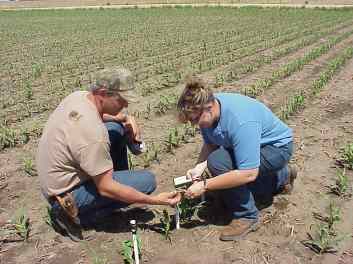
Those who participate in the program receive assistance installing equipment and education on how to read the equipment.

t the Holthus Convention Center, located at 3130 Holen Avenue in York. The conference will run from 9:30 a.m. to 3:20 p.m., with registration beginning at 9:15 a.m.

Producers, crop consultants, NRD, DNR, NRCS, irrigation districts and other professionals are invited to attend. Participants are encouraged to share their experiences that have helped make the Nebraska Ag Water Management Network (NAWMN) successful and any ideas they have for growing the network.

Topics that will be covered include:

  • Update on status of the NAWMN
  • Water-related smart phone apps
  • Z-Mag Ag Water Management Guide
  • Automated Water Use Database Project
  • Cover Crop Research
  • NRD Update
  • Update from the Upper Big Blue NRD CropTip
  • Underground Wireless Sensor Update
  • Soil Moisture Sensor Research Update
  • Variable Rate Irrigation Science and Engineering and Variable Rate Fertigation Research

A total of 4 continuing education units have been applied for in Soil/Water Management.

The NAWMN goal is to transfer high quality research information to producers to use water and energy resources more efficiently for crop production and to enhance crop water productivity. Started in 2005 with 15 collaborators, NAWMN has now grown to nearly 1400 collaborators who implement cutting-edge water management technologies/practices taught in the Network. Many of them regularly contribute water use database to a central NAWMN website. In turn, this information is used by growers across the state to fine-tune their irrigation management and application timing to current plant water needs. The fundamental objective of the NAWMN has been to integrate science, research and education/outreach principles to provide citizens best information available to help them to make better informed decisions in their irrigation management practices, which contributes to the Land-Grant Mission of UNL. The practices/procedures taught in the NAWMN have been based on the scientific and research-based information led by UNL-IANR professor Dr. Suat Irmak.

There is no cost to attend. Lunch will be provided but we ask participants to RSVP for planning purposes by March 7th to Jenny Rees at the Clay County Office Extension Office at 402-762-3644 or jenny.rees@unl.edu.


Programming, Uncategorized

Business Succession & Estate Planning Workshop

The Beginning Farmer and Rancher Network’s Farm Succession Series continues in March with a workshop locally offered in Geneva at the Fillmore County Fairgrounds from 10:00 a.m. – 3:00 p.m., March 2nd. The free workshop will cover business succession and estate planning for farm and ranch owners, families and beginning farmers and ranchers.

farmsuccession.pngTopics will include:

  • Stages of succession planning, contribution & compensation, balancing the interests of on-farm and off-farm heirs;
  • Importance of communication, setting goals, analyzing cash flow, and balancing intergenerational expectations and needs;
  • Beginning farmer loan and tax credit programs;
  • Use of trusts, wills, life estate deeds and business entities (such as the limited liability company) in family estate and business succession planning;

Lunch will be provided. To register (and for questions) call the Rural Response Hotline at 1-800-464-0258 or the Fillmore Extension Office in Geneva at 402-759-3712.

The program presenters are Dave Goeller, Deputy Director, Northeast Center for Risk Management Education, UNL & Joe Hawbaker, Agricultural Law attorney, with Hawbaker Law Office, Omaha.

This workshop is made possible by the Nebraska Network for Beginning Farmers & Ranchers, the Farm and Ranch Project of Legal Aid of Nebraska, National Institute of Food and Agriculture, the Nebraska Department of Agriculture’s Next Gen, Nebraska Farmers Union Foundation, University of Nebraska Extension Office Fillmore County.

Uncategorized, Youth

4-H Youth Development Impacts

The mission of Nebraska 4-H is to empower youth to reach their full potential working and learning in partnership with caring adults. Nebraska 4-H strives to help young people achieve their greatest potential by introducing high-quality youth development experiences into the lives of Nebraska youth and families. Engagement in 4-H results in youth who are making positive decisions related to their health and their future goals. Further, they are advocates and leaders determined to leave a lasting impact on Nebraska communities. By taking part in Nebraska 4-H, youth are preparing for a successful future by focusing on 4-H Science, Agricultural Literacy, Career Development and College Readiness, Citizenship and Leadership, and Healthy Living.

IMG_1048
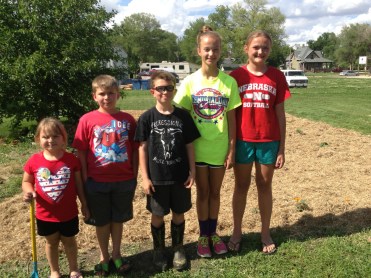
4-H’ers have planted a community garden and given the fresh produce to the local food pantry and a local Senior Center.

In Nebraska, 1 in 3 age-eligible youth across all 93 counties are enrolled in 4-H, for a total enrollment reaching approximately 140,000 youth. Nearly 56,000 youth participated in school enrichment experiences. Over 25,000 Nebraska youth were members of a 4-H club. Nearly 8,000 youth and adults participated in 4-H camping programs. 12,000 volunteers share their time and resources with Nebraska 4-H.

Locally, in 2015 we had 204 youth enrolled in the Fillmore County 4-H program and nearly 400 youth were reached through school enrichment or agricultural literacy based programs. February is Nebraska 4-H Month and ALL youth and their families are invited to attend the Annual 4-H Kick-Off celebration on February 21st from 5-7:00 p.m. at the Fillmore Co. fairgrounds to learn more about 4-H and kick off the 2016 year. kickoff2016The event will showcase 4-H projects, information on the upcoming year, games and 4-H fun. All attendees will be invited to participate in multiple mini projects including fishing, animal science, face painting and more! Did I mention there will be inflatables? As well as, pictures with Lil’ Green and prizes galore! Concessions available.

Programming, Uncategorized

Women in Ag Conference

Nebraska women will learn how to plan and make better business decisions for their farms and ranches, communities, families and themselves at the 31st Women in Agriculture Conference, the longest-running women’s conference of its kind in the country, Feb. 25-26 at the Kearney Holiday Inn, 110 S. Second Ave.

This year’s theme is “Women in Agriculture: The Critical Difference,” and the conference features a variety of workshops, “funshops” and speakers, including Jolene Brown of West Branch, Iowa, and Trent Loos of Litchfield.Farm

Brown will be the keynote speaker the morning of Feb. 25 with her talk, “The Balancing Act: 10 Ideas to Relieve Stress and Bring Renewal to Our Farm and Family Life,” about realistic and applicable ideas to help bring a breath of fresh air, renewal and balance to work and family life. Brown’s talk is sponsored by Farm Credit Services of America. Loos will be the capstone lunchtime speaker on Feb. 26 as he presents “Passion for the Purpose” about developing and sharing a passion and meaningful purpose in one’s life.

Five concurrent sessions will offer participants more than 30 workshops to choose from with topics including crop and livestock marketing, applications for big data, forestry, alternate livestock, real-estate trends and lease provisions, labor management, women’s heart health, pesticide training, business transition, family communication, livestock disease outbreak, farm programs, financial planning and agronomy issues. The evening of Feb. 25 includes time for networking and exercise.

Booth exhibitors will share information with participants that may also be useful in their farm/ranch operation.

Those interested can register online at http://wia.unl.edu or mail a completed registration form with a check to UNL Agricultural Economics, 303 Filley Hall, Lincoln, NE 68583-0922. More information about Women in Agriculture is available at that site.

The early-bird registration fee is $125 for those registering by Feb. 12. Beginning Feb. 13, the fee is $150. The fee includes workshop materials, registration and all meals and breaks.

The conference is sponsored by the Institute of Agriculture and Natural Resources, Nebraska Extension, the Department of Agricultural Economics, Farm Credit Services of America, Reinke Irrigation and the Nebraska Farm Bureau Federation. Opportunities for conference sponsorship and booth exhibits still remain.

Lodging is available at the Kearney Holiday Inn, 110 S. Second Ave., by calling 308-237-5971.

Crops, Uncategorized, Youth

Innovative Youth Corn Challenge Results

One of the statewide projects I coordinate engages youth in crop production so I decided to share the results of this program. Nebraska Extension and the Nebraska Corn Board teamed up to offer the fourth Innovative Youth Corn Challenge contest. This contest, open to 4-H members or FFA members, guided participants through all aspects of corn production, as well as agricultural careers related to corn production.IMG_4693 - Version 2.JPG

The 2015 winning team was Kornhusker Kids 4-H Club from Cuming County. The team with the highest percent yield increase over their local county average is the winner. In earning the $1,000 first-place award, Kornhusker Kids 4-H Club decided to test the effect of Procidic with two different application timings to see the effect against Goss’s Wilt and if there were additional plant health benefits. The three treatments were: control, Procidic applied in furrow at planting at 2 oz/ac and Procidic applied in furrow at planting followed by another 2 oz applied post prior to tasseling. Also, important to note is that this team had randomized and replicated plots which is important in figuring out the statistical significance. Their check yielded the highest at 226.7 bushels/acre with the challenge plots yielding 225.4 & 223.7 bushels/acre.

Second-place team overall was the Palmyra FFA Chapter, earning $500 for their efforts. Team members tested the impact of corn sweetener being applied to the corn plant between the V-6 and V-12 stage of development. They sprayed a foliar application of corn sweetener on the growing corn plant with the challenge plot yielding 214.2 bu/acre and check plot yielding 205.3 bu/acre.

Third place went to the Fillmore Central FFA Chapter. They tested nitrogen application rates and tried to push for a higher yield in order to reach the highest potential of their corn variety. They learned that 29.8 pounds of more nitrogen resulted in 14 more bushels per acre with 207.3 pounds of N on their challenge plot yielding 278.2 bu/acre and the check plot with 177 pounds of N yielding 264.2 bu/acre.

Other teams who completed their plots were:

Norfolk FFA did a two pass system, the first pass putting on 65 pounds of nitrogen and the second pass putting on 75 pounds of N and a nitrogen stabilizer to minimize nitrogen loss due to leaching in sandy soils. The main innovation testing was comparing early season fungicide application to no fungicide application. Their challenge plot yielded 191.5 bushel/acre and check at 183.3 bu/acre.

Osceola FFA tested nitrogen application with the check plot of 210 lbs of N at planting and the challenge plot of 210 lbs/acre in addition to 45 pounds of N applied at pre-tassel. Their check plot was 243.5 bushels/acre and challenge was 244.7 bu/acre.

The Stuart FFA Chapter’s goal was to improve the yield of corn by adding the AEGIS ESR plant growth stimulator. The product was applied to corn at V-6. They also measured the amount of water in the cornfield using watermark sensors. They determined that the growth stimulator did increase yield as anticipated, as the challenge plot with AEGIS yielded 5 bushels higher at 230 bu/acre compared to 225 for the check plot.

As a team, youth worked with an adult mentor throughout the process. Mentors can be extension faculty, ag teachers, or other qualified agronomy professionals. Other awards handed out during the banquet held on UNL’s East Campus included:

  • The Extra Mile Award, worth $200, went to the Kornhusker Kids 4-H Club.
  • The Innovation Award, worth $200, was presented to the Palmyra FFA Chapter.
  • The Sustainability Award went to both Kornhusker Kids 4-H Club and Fillmore Central FFA Chapter, which will split the $200 award.

The Sustainability award which uses Field to Market’s Field print Calculator was added this year, led by Randy Pryor, Extension Educator in Saline County. Field to Market, the alliance for sustainable agriculture has grown to 87 members. This group contains multiple fortune 500 companies involved in the nation’s food chain, national farm groups, conservation groups and Nebraska Extension is a new affiliate member. The diverse group is all about defining, measuring and advancing sustainability in the food sector from the farm field to the retail level. The current version of the Fieldprint Calculator is free to use, and these youth were the first 4-H and FFA students in Nebraska to ever use the Fieldprint Calculator for sustainability measures.

The metrics used were:

  • Land use efficiency
  • Soil conservation
  • Soil carbon
  • Irrigation Water Use Efficiency
  • Water Quality Index
  • Energy Use Efficiency
  • And Greenhouse Gas Emissions.

To participate in 2016, youth must complete and return an entry form by March 15th to the Fillmore County Extension Office in Geneva, NE. Forms can be downloaded .

Crops, Programming, Uncategorized

Precision Ag Workshop

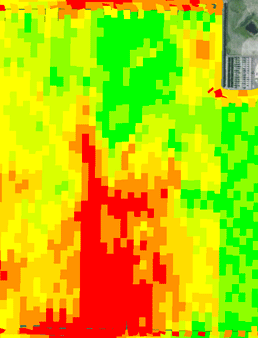
Learn how to extract more information from your precision agriculture data at the 2016 Nebraska Extension Precision Ag Data Management workshops this winter.  Presentations and hands-on exercises will cover yield data quality, geospatial data collection, multi-layer analysis and imagery analysis.prescipmap.png

Participants get hands-on training to learn how to get more use from their precision agriculture data. A two all-day workshop will be held at Clay Center with the first day addressing intermediate ag data management topics, while the second day will address more advanced ag data management. Individuals can register for one or both days. Workshops begin with check-in at 8:30 a.m. and sessions from 9 a.m. to 4:30 p.m.

Cost is $75 for one day or $130 for both. Registration includes printed learning guides, a jump drive with workshop tutorials attendees can reference at home, and data.

Day One, Intermediate Ag Data Management Topics:

  • Working with as-applied data, tracking product locations and rates
  • Creating templates to speed up the data import process
  • Terrain analysis diagnostic opportunities and working with LiDAR data
  • Georeferenced soil sample data input and prescription map development options
  • Setting up on farm research trials with precision ag data – case study from Project SENSE: Crop Canopy Sensors for In-Season Nitrogen Management

Day Two, Advanced Ag Data Management:

  • Generating maps from geo-referenced soil samples:  Map interpolation strategies
  • Improving Yield Monitor Data Accuracy with Yield Editor Software from USDA
  • Multi-layer geospatial analysis to determine hybrid performance across changing landscapes
  • Imagery analysis using data from active and passive sensors

On-line preregistration is required and class size is limited to 20 to facilitate the hands-on training. To register online, visit the program website.

Crops, Livestock, Programming, Uncategorized

Helping Farmers & Small Businesses with Employee Relations

HR 4 Ag & Main Street

Many farmers, ranchers and other small business owners often have little to no training in human resources or leadership related training. This can make it difficult to serve as an effective supervisor and can lead to employee-relation issues. Nebraska Extension has just created a new program, HR 4 Ag and Main Street to help those business owners.Blog graphic.png

The HR 4 Ag & Main Street workshop is a three-hour face-to-face session created by Nebraska Extension and designed for farmers/ranchers and other agriculture and main street business owners. The goal of the program is to provide education on human resource management and human risk mitigation strategies to increase your farm, ranch, or other business’ resiliency and stability. Topics to be covered include: recruiting and retaining the best employees, pay and benefits, motivating and engaging employees, communication, building and leading your team, managing conflict, and more.

The program will be presented at four locations across Nebraska this winter in Norfolk, York, North Platte, and Scottbluff.

  • NORFOLK

Tuesday, January 19th from 1:00 – 4:00 pm, at the Lifelong Learning Center. To register call: Northeast Research & Extension Center (402-379-4000)

  • YORK

Tuesday, January 26h from 1:00 – 4:00 pm, at the York County Extension Office. To register call: York County Extension Office (402-362-5508)

  • NORTH PLATTE

Thursday, January 28th from 1:00 – 4:00 pm, at the West Central Research & Extension Center. To register call: West Central Research & Extension Center (308-696-6740)

  • SCOTTSBLUFF

Tuesday, February 9th from 1:00 – 4:00 pm, at the Panhandle Research & Extension Center. To register call: Panhandle Research & Extension Center (308-632-1230)

This program is made possible through a grant by the North Central Risk Management Education Center. For more information contact a HR 4 Ag team member:

  • Ben Dutton, Extension Educator – Red Willow County (308-345-3390)
  • Jessica G. Jones, Extension Educator – Johnson County (402-335-3669)
  • Tim Lemmons, Extension Educator – Northeast Research & Extension Center (402-370-4061)
  • Marilyn Schlake, Extension Educator – UNL Ag Economics Dept. (402-472-4138)
  • Brandy VanDeWalle, Extension Educator – Fillmore County (402-759-3712)
  • Aaron Yoder, Assistant Professor – University of Nebraska Medical Center (402-552-7240)
Uncategorized

2015 in review

One of the cool things that the Word Press site does is to compile an annual report which I thought I’d share as a year in review of 2015. As always, thanks for reading my blog and your support of Nebraska Extension. Wishing you and yours a very Happy New Year and Best Wishes in 2016!

The WordPress.com stats helper monkeys prepared a 2015 annual report for this blog.

Here’s an excerpt:

A San Francisco cable car holds 60 people. This blog was viewed about 2,500 times in 2015. If it were a cable car, it would take about 42 trips to carry that many people.

Click here to see the complete report.