Crops

Nebraska On-Farm Research Network’s Projects

Growers who are interested in side dressing a portion of fertilizer nitrogen are encouraged to take a look at Maize-N, a decision support tool for N recommendation. Nitrogen management for corn may be improved by applying a portion of N during the growing season. This allows N fertilizer availability to more closely synchronize with the time when the crop is rapidly up-taking nitrogen.

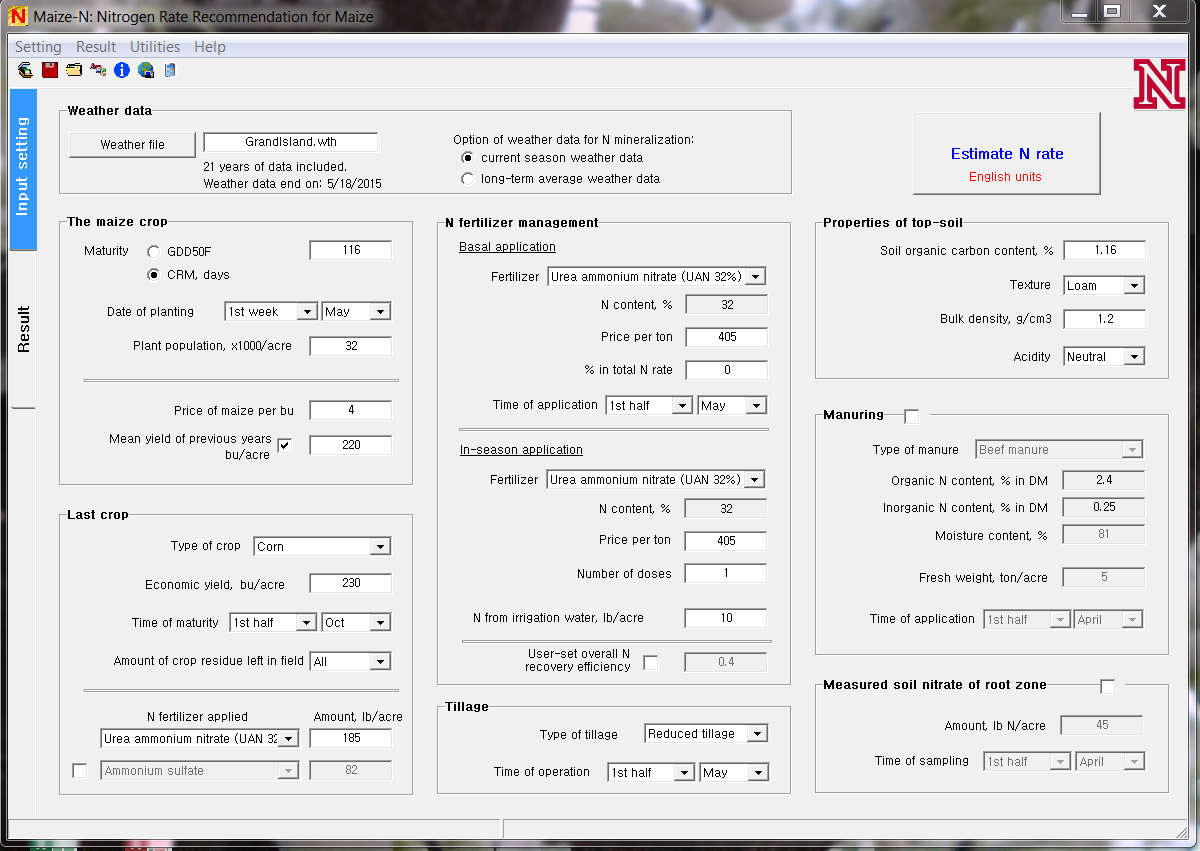
Maize-N is a computer program developed at UNL that simulates fertilizer requirement for corn. The estimation of N fertilizer requirement in Maize-N is based on user input information on the current corn crop, last season’s crop, tillage, crop residue management, basic soil properties, fertilizer management, and long-term weather data of the field. The program first simulates corn yield potential and its year-to-year variation. It then estimates the economically optimal N rate of fertilizer to apply.Maize N input.PNG
This year, the Nebraska On-Farm Research Network is working with a number of growers to evaluate Maize-N. The study involves 2 treatments: producer’s sidedress nitrogen rate and the Maize-N sidedress nitrogen rate.

There is still time to get involved with this project and evaluate this tool for nitrogen management. You can schedule a meeting to go through the Maize-N tool to generate the nitrogen recommendation for your field. Contact Laura Thompson at 402-624-8033 or laura.thompson@unl.edu. More information about the Maize-N study is available at http://go.unl.edu/MaizeN.

Another project that growers can participate in is a late-planted soybean population research project. With consistent rain events in portions of the state, many producers still have soybeans to plant. Producers and agronomists question whether they should increase soybean seeding rates when planting soybeans late in the season due to weather delays or replant situations. Late planted soybeans form fewer nodes per plant resulting in fewer places to set pods. The thinking is that increasing seeding rates will compensate for this as well as increase canopy cover and capture more sunlight.

Most universities have suggested increasing seeding rates when planting soybeans in June. However, research done in Iowa showed that soybean seeding rates don’t need to be increased as planting is delayed to early June. Previous on-farm research conducted in Nebraska on soybean seeding rates was conducted in April and May. The results suggest that seeding rates greater than 120,000 seeds per acre (with a final stand of 100,000 plants per acre) rarely increase yield. Is the same true of soybeans planted in June? The protocol is available at go.unl.edu/latesoybean.

Finally, the Nebraska On-Farm Research Network is partnering with industry to research several products available to farmers. The studies are designed using randomization and replication so that the effect due to the treatment being studied can be evaluated. The products being studied include: seed treatment for Sudden Death Syndrome (soybean), growth promoter (corn), growth stimulator (corn and popcorn), and fertilizer Additive (corn).

For more information and to view detailed study protocols on these topics and more, visit http://cropwatch.unl.edu/farmresearch/protocols

If you have interest in conducting a study or would like more information, contact me, Keith Glewen, kglewen1@unl.edu, 402-624-8005 or Laura Thompson, laura.thompson@unl.edu, 402-624-8033.

Uncategorized

What’s Bugging You?

These pesty little insects are definitely starting to bite at my house! Read about ways to deal with them from Nicole Stoner, Extension Educator’s blog!

Nicole Stoner's avatarPlants and Pests with Nicole

This year we are dealing with quite a few pests in and around our lawns. I wanted to inform you of some management practices for some insects in our landscapes.

mosquito

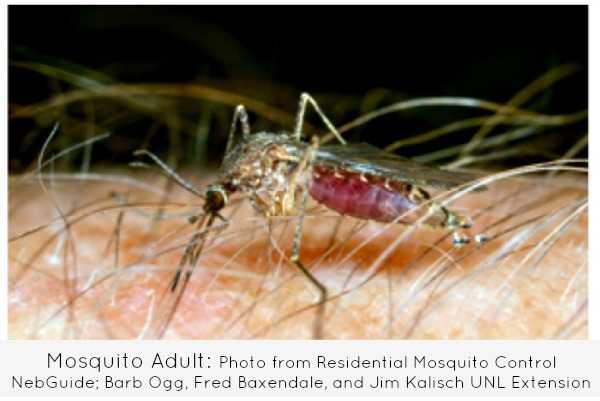
Mosquito populations are quite high this spring due to the large amounts of rain we have dealt with over the past month. The first three life stages of a mosquito are completed in or near bodies of water, typically standing water, the adult is the only stage not in the water. The steps in reducing mosquito populations in your yard would be to:

  • Eliminate standing water from your property
  • Dump buckets and old tires that may have water in them
  • Check for low areas in your landscape that may have water sitting in it
  • Clean birdbaths and pools weekly
  • Use larval control disks in those areas to kill the mosquito larvae and not harm other animals
    • Mosquito dunks can be…

View original post 437 more words

Livestock, Youth

Poultry Events Cancelled Across Nebraska

On June 4, 2015 the Nebraska Department of Agriculture cancelled ALL poultry events across AvianInfluenzaNebraska through January 1, 2016. This cancellation comes as an effort to prevent the spread of highly pathogenic H5N2 avian influenza. The ban will include all events where birds are co-mingled including: local and county fairs and festivals, the Nebraska State Fair, Ak-Sar-Ben, swap meets, exotic sales and live bird auctions. Protecting the physical and economic health of Nebraska’s poultry sector is a priority as the virus spreads. Nebraska joins more than 10 states that have taken similar steps to protect their poultry flock.
While the ban will prevent Nebraska 4-H members from taking their birds to the Nebraska county and state fairs this season, youth are still AvianFluContactsencouraged to complete their projects. Nebraska Extension is working to identify options for youth enrolled in poultry projects to showcase their learning and participate in fairs in other ways than having their birds present. “We know 4-H’ers statewide have been learning about the science of animals through their poultry projects; we will help them showcase that work and celebrate their successes in other ways,” says Nebraska Extension associate dean Kathleen Lodl. More information will be available at 4h.unl.edu.

All bird owners, whether commercial producers or backyard enthusiasts, should prevent contact between their birds including wild birds, and report sick birds or unusual bird deaths to state/federal officials. Additional information about H5N2 avian influenza can be found online at www.nda.nebraska.gov.

Crops

On-Farm Research App Puts Resources at Your Fingertips

Since I have been working with the Innovative Youth Corn Challenge, I have had the goal to engage youth in agronomy-related fields and what better way than to include technology! With the assistance of a great team of Nebraska Extension faculty, accessing resources from On-Farm Research is now available at your fingertips – in the field, in the tractor or truck, or wherever you want to use the research app.  The research app launched in April 2015 is available for iPhone, iPad and Android users. This tool has multiple uses; from the producer working in the Nebraska On-Farm Research Network to doing plot work on their own and more!IMG_2912

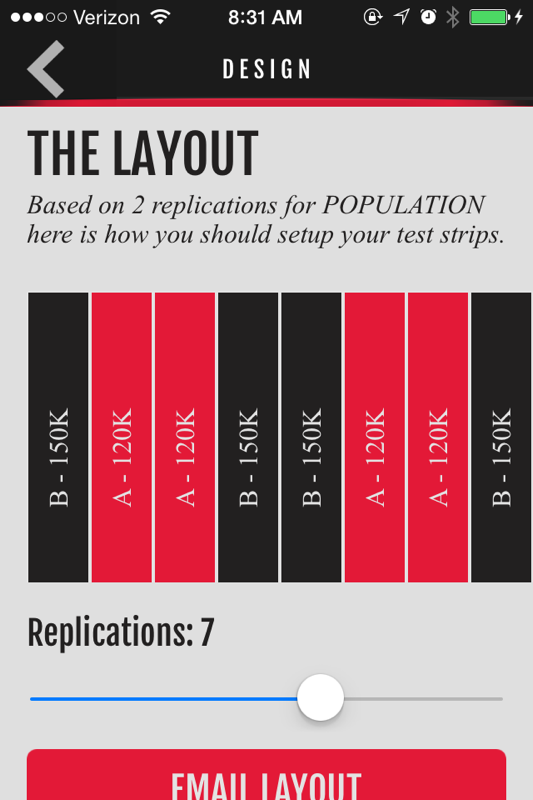
The app enables users to create treatment strips in their own fields and develop a map of their research study. Once the field is created the user has the ability to enter periodic observations related to insects, diseases, weeds, irrigation totals, or other key observations, including photos. At the conclusion of the research trial, the user inputs the harvest results and exports them to an excel file.  The plot layout, observations, and yield data can all be emailed at any time as an excel file. The data collected will be beneficial to both the app user and to those evaluating the data and results with the Nebraska On-Farm Research Network.

Keith Glewen, Nebraska Extension Educator, has assisted with the app from the beginning and notes, “This app is the first known smartphone tool available for growers to easily develop their own infield on-farm research trials”. The Nebraska On-Farm Research Network is an opportunity for crop producers and University faculty to work closely and generate un-biased, research-based answers at the field level. Participants have the opportunity to work closely with UNL faculty in designing projects, carrying them out, and analyzIMG_2913ing the results.

Laura Thompson, Extension Educator became involved and has statewide responsibilities with the Nebraska On-Farm Research and provided much technical information. Laura stated, “The power of on-farm research is being able to sort out the inherent field and environmental variability and to determine if differences are the result of the treatment being studied effect. This app makes it simple to set up and visualize a well-designed study that will address questions growers are interested in. The introduction of this app is just one more way we are working with on-farm research participants to collect information that is important to them and to farmers all across the state.”

This app provides youth the opportunity to become engaged with the scientific aspects associated with on-farm research. There is no fee to join the network. The mission of the Nebraska On-Farm Research Network is to assist growers in increasing production, reducing inputs, and maintaining or improving profits. To learn more about the Nebraska On-Farm Research Network and the smartphone app, go to: http://cropwatch.unl.edu/farmresearch.

Crops, Irrigation

NE Ag Water Management Network

Planting has been well underway and hopefully we will receive some timely rainfall with little need to irrigate. If you have irrigated ground and are looking for ways to save money, reduce nutrient loss and use less water, consider joining the Nebraska Agricultural Water Management Network, or NAWMN. I’ve been in Extension for nearly ten years and a program I’ve been involved with that has been a very rewarding program and made a positive impact for many is the Nebraska Agricultural Water Management Network, or NAWMN. Evaluation results have shown a one to two inch savings of irrigation since it’s inception. In 2005, only a few producers in the Upper Big Blue NRD, (shortly followed by the Little Blue NRD) were participating, but as of last fall, this program has reached 1,229 in 18 NRDs and 73 of 93 counties. The Network has been having significant impacts on both water and energy conservation due to farmers adopting information and implementing technologies in their irrigation management.

Those wishing to participate in the program receive assistance installing equipment and education on how to read the equipment.

A couple of the tools we use are ETgages® or Atmometers which mimic crop evapotranspiration or ET and Watermark soil matrix sensors which measure soil matric potential or the energy required to remove water from the soil. These two tools have really worked well and have made irrigation management much easier than those gut feelings. The more information you have the better decisions you can make!

If you would like to participate in this dynamic program, let me know and I’d be happy to help and get you started! If you are in the NAWMN, consider installing your ETgage soon and once done with planting, start the soaking/drying cycle on your Watermark sensors to be sure they work! It’s also important to replace the #54 alfalfa canvas covers and wafers on a regular basis at the start of each season. For more information, go to: http://water.unl.edu/web/cropswater/nawmdn.

Programming, Youth

Progressive Agriculture Safety Days Celebrates Twenty Years!

Nebraska Extension in Fillmore County, Fillmore Central & Shickley FFA and the Fillmore County WIFE organizations are proud to help the Progressive Agriculture Safety Day® program celebrate its 20th Anniversary by conducting a Safety Day on May 28th at the Fillmore County Fairgrounds in Geneva, NE. This Safety Day is being planned for children currently in grades 1-5 and interested youth in older grades. This year’s program will focus on bike safety & helmets, pinch point demo, drug dog demo, medical helicopter visit, combine safety, hearing safety, train safety, lawn mower safety, electrical safety and more!Safety_DayFor the past 20 years, the Progressive Agriculture Safety Day® program has continued the mission of providing education and training to make farm, ranch and rural life safer and healthier for children and their communities. Nebraska Extension has been helping the program achieve this mission for years. In 2015, ADULT safety sessions have been added with sessions that include: fire safety & extinguisher demo, grain bin excavation demo, electrical safety and hearing awareness for $10/person which includes a t-shirt, lunch, refreshments and over $50 of FREE safety items (guaranteed to the first 25 who RSVP).

Current 1st through 5th graders are invited to attend Progressive Agriculture Safety Day on Thursday, May 28, 2015 at the Fillmore County Fairgrounds. Youth will participate in a variety of events designed to help them be aware of safety in potentially hazardous situations such as bike riding, agricultural settings, electrical safety and others.   A registration and consent form is required by all youth who participate.

From humble beginnings in 1995 with the introduction of 19 Safety Day Camps to achieving international recognition in present day with more than 400 Safety Days annually, the Progressive Agriculture Safety Day® program is now recognized as the largest rural safety and health program for children in North America. During the program’s first year, a total of 2,800 participants and volunteers were reached throughout the South and Midwest and now the program impacts close to 110,000 annually. To date, more than 1.3 million children and adults have been impacted by the program.

In recognition of the 20 year milestone, the Progressive Agriculture Foundation has encouraged coordinators of Progressive Agriculture Safety Days to incorporate this achievement into their locaSunSafetyWEBl programs in a variety of ways from participation in a 20th anniversary t-shirt design contest to sharing past success stories.
The success of Progressive Agriculture Safety Day® program has been made possible thanks to the generous and continued support of international sponsors including as well as local sponsors. Dedicated community volunteers are at the heart of the Safety Day program fulfilling a variety of roles and assuring children receive hands-on experiences in a variety of safety-related topics including ATV, electricity, fire, animal, and farm equipment safety.

For more information about the Fillmore County Progressive Agriculture Safety Day®, please contact Brandy VanDeWalle at 402-759-3712 or brandy.vandewalle@unl.edu. Additional information can be found at http://www.progressiveag.org/

Programming

Household Hazardous Waste Collection

Several times throughout the year I receive calls asking, “What can I do with my old paint, cleaning products and lawn chemicals, etc.?” Coming up soon, is the opportunity to properly dispose of those products. On Saturday, April 25th from 7:30 to 10:30 a.m. at the Fillmore County Shop located at 615 F Street in Geneva there will be a Household Hazardous Waste Collection which is free of charge with financial support provided through a grant by the Trailblazer RC & D from the NE Dept of Environmental Quality Litter Reduction & Recycling Grant Program and other assistance provided by the Fillmore County Supervisors and Fillmore County Development Corporation.

Items accepted include: all paint, cleaning products, lawn & garden chemicals, pesticides, herbicides, used oil, antifreeze, batteries, florescent bulbs and mercury items (such as thermometers & thermostats) in household quantities only! Items NOT accepted include: tires, electronic equipment, appliances, PCBs, Picric Acid, science lab materials, radioactive materials, biological hazards, pharmaceuticals, items containing asbestos, wood preservatives, explosives or commercial quantities. For more information, contact the Fillmore County Development Corporation at (402) 7569-4910 or Larry Cerny at (402) 759-4369.

Resources available in Nebraska include:

NE NDA Hazardous Waste Directory

Keep Nebraska Beautiful

Youth

NE Extension Tractor Safety Courses Offered Across Nebraska

Nebraska Extension Tractor Safety/Hazardous Occupations Courses will be offered at seven locations in Nebraska during May and June. Any 14 or 15-year-old teen who plans to work on a farm other than his/her parents’ should plan to attend.

Federal law prohibits youth under 16 years of age from working on a farm for anyone other than their parents or guardian.   Certification through the course grants an exemption to the law allowing 14- and 15-year-olds to drive a tractor and to do field work with mechanized equipment.Harvest

According to Sharry Nielson, Nebraska Extension Educator and program coordinator, “The most common cause of death in agriculture accidents in Nebraska is overturn from tractors and all-terrain-vehicles (ATVs).” She also points out that tractor and ATV overturn prevention are featured in the class work. “Instilling an attitude of ‘safety first’ is a primary goal of the course… where youth have the chance to learn respect for agricultural jobs and the tools involved.”

Classes consist of two days of instruction plus homework assignments. Classes are from 8 a.m. – 5 p.m. each day. Dates and locations for the closest programs to us include:

— May 27-28, Fairgrounds, Kearney

— June 5-6, Event Center, Lincoln

— June 17-18, College Park, Grand Island

Pre-registration is strongly encouraged at least one week before a location’s start date to the Extension Office at the course site. Cost is $60, which includes educational materials, testing, supplies, lunches and breaks. For more information, contact the Extension Office or Sharry Nielsen at (308) 832-0645, snielsen1@unl.edu.

The first day of class will consist of intensive classroom instruction with hands-on demonstrations, concluding with a written test that must be completed satisfactorily before students may continue driving tests the next day.  Classroom instruction will cover the required elements of the National Safe Tractor and Machinery Operation Program. Homework will be assigned to turn in the next day. The second day will include testing, driving and operating machinery. Students must demonstrate competence in hitching equipment and driving a tractor and trailer through a standardized course as well as hitching PTO and hydraulic systems.

Programming, Youth

Big Red Crops Camp: Youth Discover Crop Science

Are you interested in science, agriculture, plants, crops, insects, or diseases? If so, join our team of detectives to solve crop-related problems in the Crop Science Investigation (CSI) Big Red Camp! Become a detective while participating in hands-on sessions to learn about and increase your knowledge of crops, science, and agricultural careers. Youth detectives will interact with agronomic professionals across Nebraska to solve experiments in: nutrient management; managing disease, insect and weed problems; water management; crop production, and much more! Do you have what it takes to become a CSI detective?

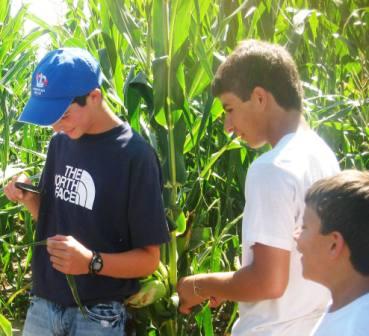
Youth in Crop Sciences Investigation (CSI) workshops learn about crop production and have the opportunity in investiage what pests might be present in the field.
Youth who attend Big Red Camp – Crop Science learn about crop production and have the opportunity in investigate what pests might be present in the field.

There are a variety of careers related to plant sciences such as: Agricultural Communicator; Agronomist; Crop Consultant; Crop Insurance Adjuster; Educator; Co-op Manager; Farmer or Rancher; Farm Credit Banker; Field or Lab Researcher; Plant Breeder; Soil or Water Conservationist; Seed, Fertilizer, or Chemical Sales; or Technical Representative.

This program was held two years and one participant said, “It (the camp) let me see all of what an agronomy career is made up of.” All youth said they would recommend this camp to their friends. As I write this, there are several spots already taken, so be sure and get your registration form in soon to ensure a spot at this year’s camp.

To register or download a camp brochure, visit BIGREDCAMPS.UNL.EDU. Final registration deadline of May 1st! Scholarships are available for crops camp. If you have questions about the camp or the required essays, please feel free to contact me at brandy.vandewalle@unl.edu or 402-759-3712.

Uncategorized

International Year of Soils

Another blog I post related to soils and resources for teaching soils is the soilsproject.wordpress.com. This blog provides resources from the Soil Science Society of America’s International Year of Soils.

Brandy VanDeWalle's avatarNebraska Ag Ed Soils Project

Did you know it is the International Year of Soils?

There are monthly themes which offers a lesson plan and activities based on that theme.

The themes are: IYSoils

January – Soils Sustain Life
February – Soils Support Urban Life
March-Soils Support Agriculture
April – Soils Clean and Capture Water
May – Soils Support Buildings/Infrastructure
June – Soils Support Recreation 
July – Soils are Living
August – Soils Support Health
September – Soils Protect the Natural Environment
October – Soils & the Products We Use
November – Soils & Climate
December – Soils, Culture & People 

For these lessons and other great ideas on teaching about soils, go to the Soil Science Society of America’s website.

View original post